Post-Impressionist Innovation
Expanded color and brushwork into a highly expressive visual vocabulary.
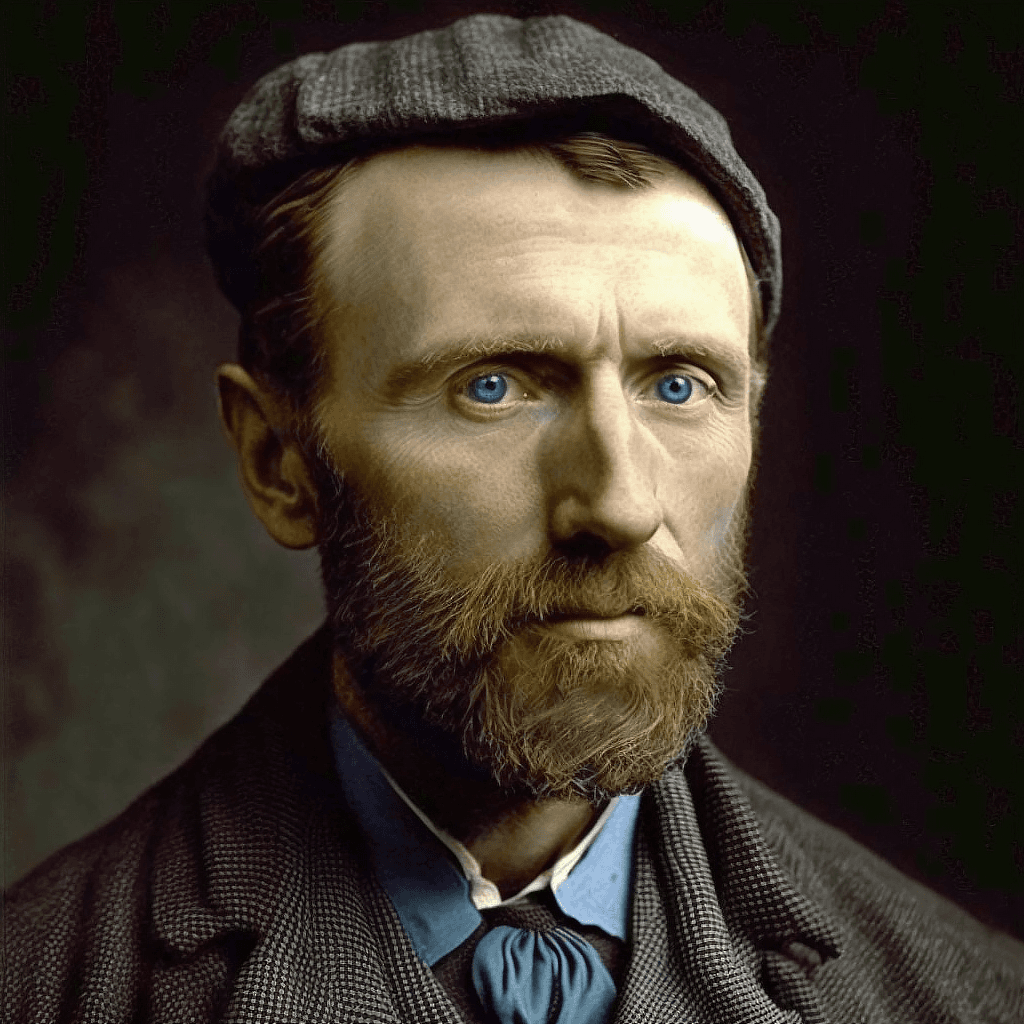
1853-1890
Painter - Visionary - Post-Impressionist
Vincent van Gogh nació en los Países Bajos y pasó por carreras en el comercio de arte, la enseñanza y el trabajo misionero antes de dedicarse por completo a la pintura en sus veintes tardías. En gran medida autodirigido, estudió dibujo, perspectiva y la vida campesina, produciendo inicialmente obras de tonos oscuros como Los comedores de patatas. Su correspondencia con su hermano Theo documenta tanto la ambición artística como la severa lucha personal.
Después de mudarse a París y luego a Arles, van Gogh adoptó colores vívidos, pinceladas fragmentadas y composiciones cargadas emocionalmente influenciadas por el Impresionismo y las impresiones japonesas. En un corto período, produjo muchas pinturas icónicas, incluyendo Girasoles, El dormitorio y La noche estrellada. Los períodos de crisis psicológica y hospitalización afectaron su vida, pero no detuvieron su sostenido experimento creativo.
Van Gogh vendió casi ninguna obra durante su vida y murió en 1890 a la edad de treinta y siete años, sin embargo, su recepción póstuma se volvió extraordinaria. Críticos y artistas vieron en sus pinturas un nuevo lenguaje expresivo que ayudó a dar forma al Fauvismo, el Expresionismo y las concepciones modernas de la subjetividad artística. Su legado une la innovación artística con una historia conmovedora de vulnerabilidad y perseverancia.
Momentos clave en la vida y el legado de esta figura
1853
Born in the Dutch province of North Brabant to a pastor's family.
1885
Completed a major early work focused on peasant realism.
1888
Entered his most productive period of color-intensive painting.
1889
Painted one of art history's most recognized works while in care.
1890
Died months after intense final output; recognition grew rapidly afterward.
Hitos que definen la contribución de esta figura a la historia
Expanded color and brushwork into a highly expressive visual vocabulary.
Created enduring paintings such as Sunflowers and Starry Night.
Left a major documentary record of creative process and artistic theory.
Shaped Expressionist and Fauvist approaches to emotion in painting.
Detalles notables sobre esta figura
Cómo esta figura moldeó el mundo que heredamos
Van Gogh redefinió cómo la pintura podía transmitir emoción a través del color, el ritmo y el gesto en lugar de un realismo estricto. Su influencia póstuma transformó la educación artística del siglo XX, la cultura de los museos y las ideas públicas sobre la autenticidad artística. Sigue siendo una figura clave para entender la creatividad moderna, el discurso sobre la salud mental y la circulación global de obras maestras visuales.
Influencia duradera a través de generaciones
Van Gogh redefined how painting could convey emotion through color, rhythm, and gesture rather than strict realism. His posthumous influence transformed twentieth-century art education, museum culture, and public ideas about artistic authenticity. He remains a pivotal figure for understanding modern creativity, mental health discourse, and the global circulation of visual masterpieces. Death at Auvers-sur-Oise (1890) remains a defining moment in Vincent van Gogh's enduring reputation.
Más perfiles de la misma época o campo
Recursos educativos seleccionados para profundizar
Inicia una conversación privada con Historical Collection AI.