Symphonic Transformation
Expanded orchestral scope and emotional architecture of the symphony.

1770-1827
Composer - Pianist - Musical Revolutionary
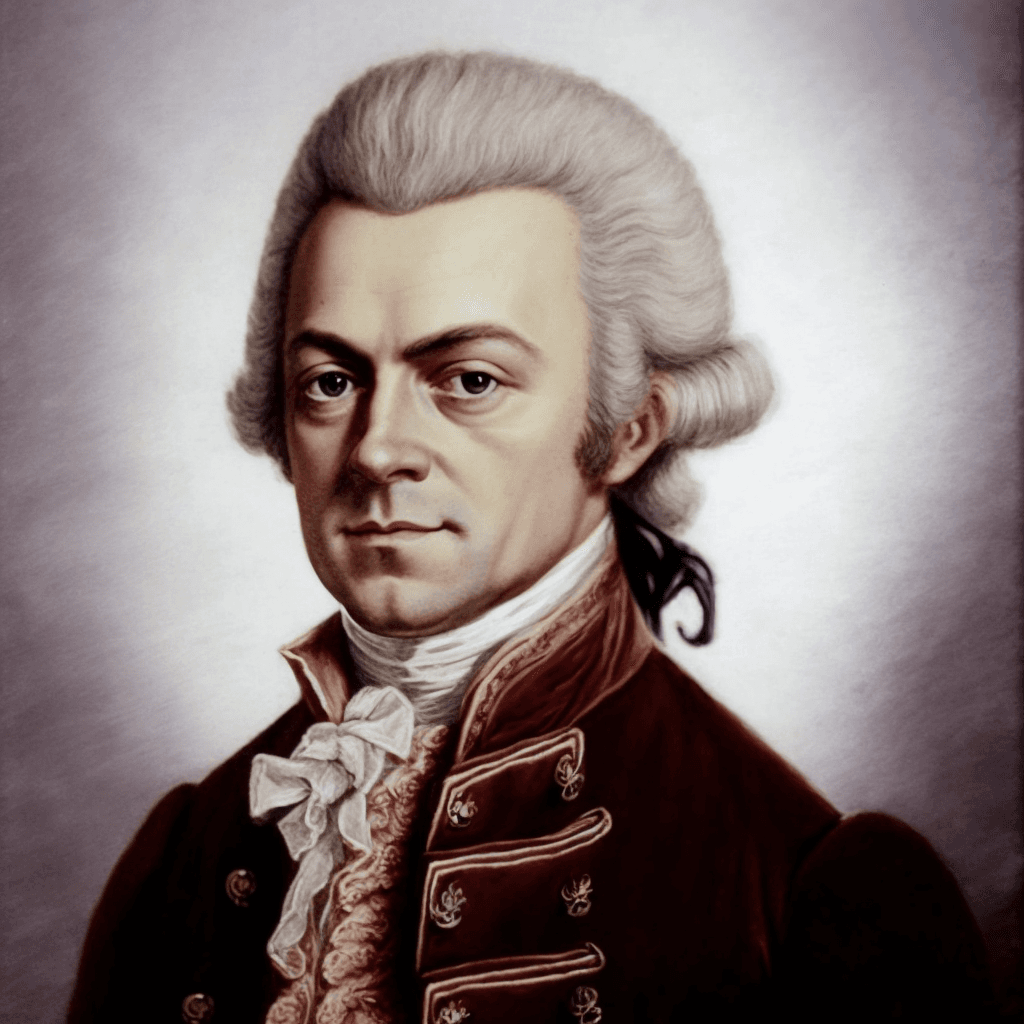
Людвиг ван Бетховен (Ludwig van Beethoven) родился в Бонне и обучался как пианист и композитор, прежде чем переехать в Вену, где учился у Иосифа Гайдна и вошел в элитные музыкальные круги. Ранние произведения демонстрировали мастерство классических форм, связанных с Моцартом и Гайдном, однако его стиль быстро стал более драматичным и структурно авантюрным. К началу XIX века он был признан ведущим композитором в Европе.
Средний период Бетховена расширил выразительный масштаб симфонии, сонаты и концерта, с произведениями, такими как Симфония "Эроика" и Пятая симфония, переопределяющими музыкальный нарратив и эмоциональную арку. Прогрессирующая потеря слуха, начавшаяся в его поздние двадцатые, усилила его личный кризис, но не остановила его композиторскую продуктивность. В поздние годы он создал технически сложные и философски амбициозные произведения, включая поздние струнные квартеты и Девятую симфонию.
Его обработка "Оды к радости" Шиллера стала глобальным символом человеческого братства, позже принятого в современных политических и гражданских контекстах. Бетховен преобразовал общественный имидж композитора из придворного слуги в независимого художественного визионера. Его влияние остается основополагающим в концертном репертуаре, музыкальной педагогике и культурных идеях о креативности в условиях adversity.
Ключевые моменты жизни и наследия этой личности
1770
Born in the Electorate of Cologne and trained by his musician father.
1792
Settled in Europe's musical capital and built a career as performer-composer.
1804
Completed Symphony No. 3, marking a major stylistic turning point.
1824
Presented his final symphony despite profound hearing impairment.
1827
Died after prolonged illness and was mourned by a vast public crowd.
Вехи, определяющие вклад этой личности в историю
Expanded orchestral scope and emotional architecture of the symphony.
Composed landmark sonatas that advanced technical and expressive possibilities.
Integrated chorus into symphonic form with the globally recognized 'Ode to Joy'.
Produced structurally innovative chamber works that influenced modern composition.
Примечательные детали об этой личности
Как эта личность изменила мир, который мы унаследовали
Бетховен расширил выразительный горизонт западной музыки и помог положить начало романтическому представлению о искусстве как моральной и психологической борьбе. Его произведения изменили композиционную форму, культуру публичных концертов и статус композитора как автономного создателя. На протяжении двух столетий его музыка несет значения от личной стойкости до политического освобождения, делая его одной из самых интерпретируемых фигур в культурной истории.
Влияние на последующие поколения
Beethoven expanded Western music's expressive horizon and helped inaugurate the Romantic conception of art as moral and psychological struggle. His works reshaped compositional form, public concert culture, and the status of the composer as an autonomous creator. Across two centuries, his music has carried meanings from personal endurance to political liberation, making him one of the most interpreted figures in cultural history. Death in Vienna (1827) remains a defining moment in Ludwig van Beethoven's enduring reputation.
Другие профили той же эпохи или области
Подобранные образовательные ресурсы для дальнейшего изучения
Начните беседу и изучите мудрость через Historical Collection AI.