Turing Machine Concept
Defined a formal model of computation that underpins theoretical computer science.
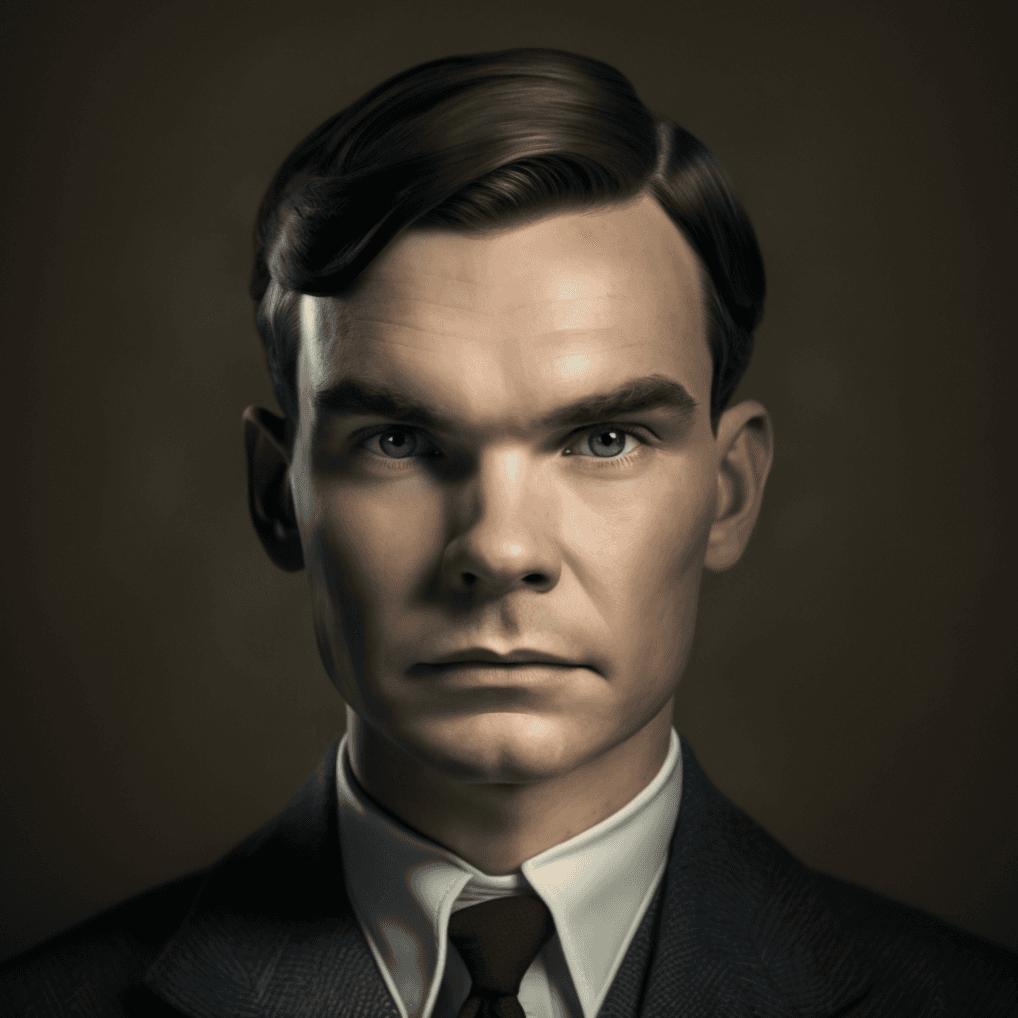
1912-1954
Computer Scientist - Logician - Codebreaker
ألان تورنغ (Alan Turing) وُلِد في لندن ودرس الرياضيات في كامبريدج وبرينستون، حيث طوّر سمعةً للابتكار غير العادي والدقة. في عام 1936، نشر ورقته الرائدة حول الأعداد القابلة للحساب، مقدماً الآلة المجردة المعروفة الآن بآلة تورنغ. وقد وفّر هذا المفهوم نموذجاً دقيقاً للإجراءات الخوارزمية وساعد في تحديد حدود الحوسبة الميكانيكية.
خلال الحرب العالمية الثانية، عمل تورنغ في بلتشلي بارك على حركة إنغما البحرية الألمانية، مساهماً بشكل حاسم في عمليات فك الشفرات للحلفاء. ساعد في تصميم وتحسين الأساليب الكهروميكانيكية، بما في ذلك القنبلة، التي سرعت من استعادة المفاتيح ومكّنت من استغلال المعلومات على نطاق واسع. ظل عمله خلال فترة الحرب سرياً لعقود، لكن المؤرخين يعتبرونه الآن أحد المساهمات العلمية الحاسمة في انتصار الحلفاء.
بعد الحرب، تابع تورنغ الذكاء الآلي، وتصميم البرمجيات، وعلم الأحياء الرياضي، مقترحاً ما أصبح يعرف باختبار تورنغ في عام 1950. كما تقدم بأفكار مبكرة حول هندسة الحاسوب في بريطانيا في وقت كانت فيه الحوسبة الإلكترونية القابلة للبرمجة لا تزال تجريبية. تمت مقاضاته بسبب المثلية الجنسية في عام 1952 بموجب قوانين تمييزية، وتوفي في عام 1954، وأصبح لاحقاً رمزاً عالمياً للعبقرية العلمية، والذكرى الأخلاقية، والعدالة لمجتمع LGBTQ+.
محطات بارزة في حياة هذا الشخص وإرثه
1912
Born in Maida Vale and raised partly in England and India during childhood.
1936
Published a formal theory of computation and the universal machine idea.
1939-1945
Worked on cryptanalysis against German encrypted communications.
1950
Published 'Computing Machinery and Intelligence' with the imitation game proposal.
1954
Died at age forty-one after years of pioneering scientific work.
معالم تحدد مساهمة هذا الشخص في التاريخ
Defined a formal model of computation that underpins theoretical computer science.
Helped lead cryptanalytic breakthroughs at Bletchley Park during World War II.
Framed an influential criterion for discussing machine intelligence and AI.
Contributed to postwar programmable computing projects and software methods.
تفاصيل بارزة عن هذه الشخصية
كيف شكّل هذا الشخص العالم الذي ورثناه
حوّل تورنغ المنطق المجرد إلى الإطار المفاهيمي للحضارة الرقمية. شكلت أفكاره البرمجة، ونظرية التعقيد، والأمن السيبراني، والذكاء الاصطناعي، بينما غيرت تحليلاته الرياضية خلال الحرب المسار الاستراتيجي للقرن العشرين. اليوم، من الهواتف الذكية إلى الحواسيب العملاقة، تتبع الحوسبة الحديثة سلالة فكرية مباشرة إلى عمله، وتظل حياته تذكيراً بأن المجتمعات يمكن أن تعتمد على العبقرية وتفشل في حماية الأشخاص الذين يخلقونها.
تأثير دائم يمتد عبر الأجيال
Turing transformed abstract logic into the conceptual framework of digital civilization. His ideas shaped programming, complexity theory, cybersecurity, and AI, while his wartime cryptanalysis altered the strategic course of the twentieth century. Today, from smartphones to supercomputers, modern computing traces a direct intellectual lineage to his work, and his life also stands as a reminder that societies can both depend on genius and fail to protect the people who create it. Death in Wilmslow (1954) remains a defining moment in Alan Turing's enduring reputation.
ملفات أخرى من نفس العصر أو المجال
موارد تعليمية منتقاة للدراسة المتعمقة