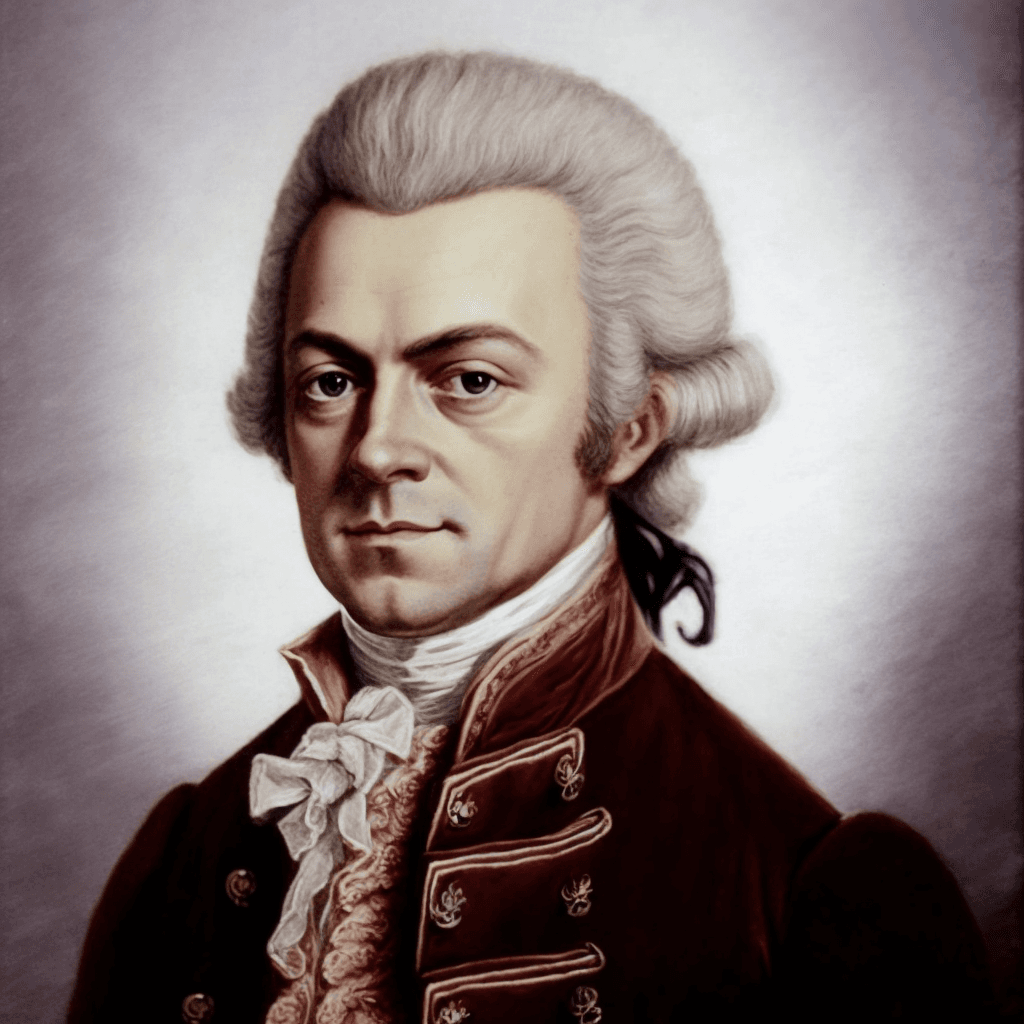
Symphonic Transformation
Expanded orchestral scope and emotional architecture of the symphony.

1770-1827
Composer - Pianist - Musical Revolutionary
لودفيغ فان بيتهوفن (Ludwig van Beethoven) وُلِد في بون وتدرب كعازف بيانو وملحن قبل الانتقال إلى فيينا، حيث درس مع جوزيف هايدن ودخل دوائر موسيقية نخبوية. أظهرت أعماله المبكرة إتقاناً للأشكال الكلاسيكية المرتبطة بموزارت وهايدن، لكن أسلوبه سرعان ما أصبح أكثر دراماتيكية ومغامرة هيكلياً. بحلول بداية القرن التاسع عشر، تم التعرف عليه كملحن رائد في أوروبا.
وسعت فترة بيتهوفن الوسطى النطاق التعبيري للسيمفونية، والسوناتا، والكونشيرتو، مع أعمال مثل السيمفونية الإروئكية والسيمفونية الخامسة التي أعادت تعريف السرد الموسيقي والقوس العاطفي. زادت فقدان السمع التدريجي، الذي بدأ في أواخر العشرينات من عمره، من أزمته الشخصية لكنه لم يوقف إنتاجه التأليفي. في السنوات اللاحقة، أنتج أعمالاً تتطلب تقنيات عالية وطموحات فلسفية، بما في ذلك الرباعيات الوترية المتأخرة والسيمفونية التاسعة.
أصبح تأديته لقصيدة شيلر 'أود إلى الفرح' رمزاً عالمياً للأخوة الإنسانية، وتم اعتمادها لاحقاً في السياقات السياسية والمدنية الحديثة. حول بيتهوفن الصورة العامة للملحن من خادم المحكمة إلى رؤية فنية مستقلة. لا يزال تأثيره أساسياً في برنامج الحفلات الموسيقية، وتعليم الموسيقى، والأفكار الثقافية حول الإبداع تحت الضغوط.
محطات بارزة في حياة هذا الشخص وإرثه
1770
Born in the Electorate of Cologne and trained by his musician father.
1792
Settled in Europe's musical capital and built a career as performer-composer.
1804
Completed Symphony No. 3, marking a major stylistic turning point.
1824
Presented his final symphony despite profound hearing impairment.
1827
Died after prolonged illness and was mourned by a vast public crowd.
معالم تحدد مساهمة هذا الشخص في التاريخ
Expanded orchestral scope and emotional architecture of the symphony.
Composed landmark sonatas that advanced technical and expressive possibilities.
Integrated chorus into symphonic form with the globally recognized 'Ode to Joy'.
Produced structurally innovative chamber works that influenced modern composition.
تفاصيل بارزة عن هذه الشخصية
كيف شكّل هذا الشخص العالم الذي ورثناه
وسّع بيتهوفن الأفق التعبيري للموسيقى الغربية وساعد في تدشين المفهوم الرومانسي للفن كصراع أخلاقي ونفسي. أعادت أعماله تشكيل الشكل التأليفي، وثقافة الحفلات العامة، ومكانة الملحن كمنشئ مستقل. عبر قرنين، تحمل موسيقاه معاني من التحمل الشخصي إلى التحرر السياسي، مما يجعله واحداً من أكثر الشخصيات تفسيراً في التاريخ الثقافي.
تأثير دائم يمتد عبر الأجيال
Beethoven expanded Western music's expressive horizon and helped inaugurate the Romantic conception of art as moral and psychological struggle. His works reshaped compositional form, public concert culture, and the status of the composer as an autonomous creator. Across two centuries, his music has carried meanings from personal endurance to political liberation, making him one of the most interpreted figures in cultural history. Death in Vienna (1827) remains a defining moment in Ludwig van Beethoven's enduring reputation.
ملفات أخرى من نفس العصر أو المجال
موارد تعليمية منتقاة للدراسة المتعمقة