Discovery of Polonium and Radium
Isolated new radioactive elements through years of meticulous laboratory work.
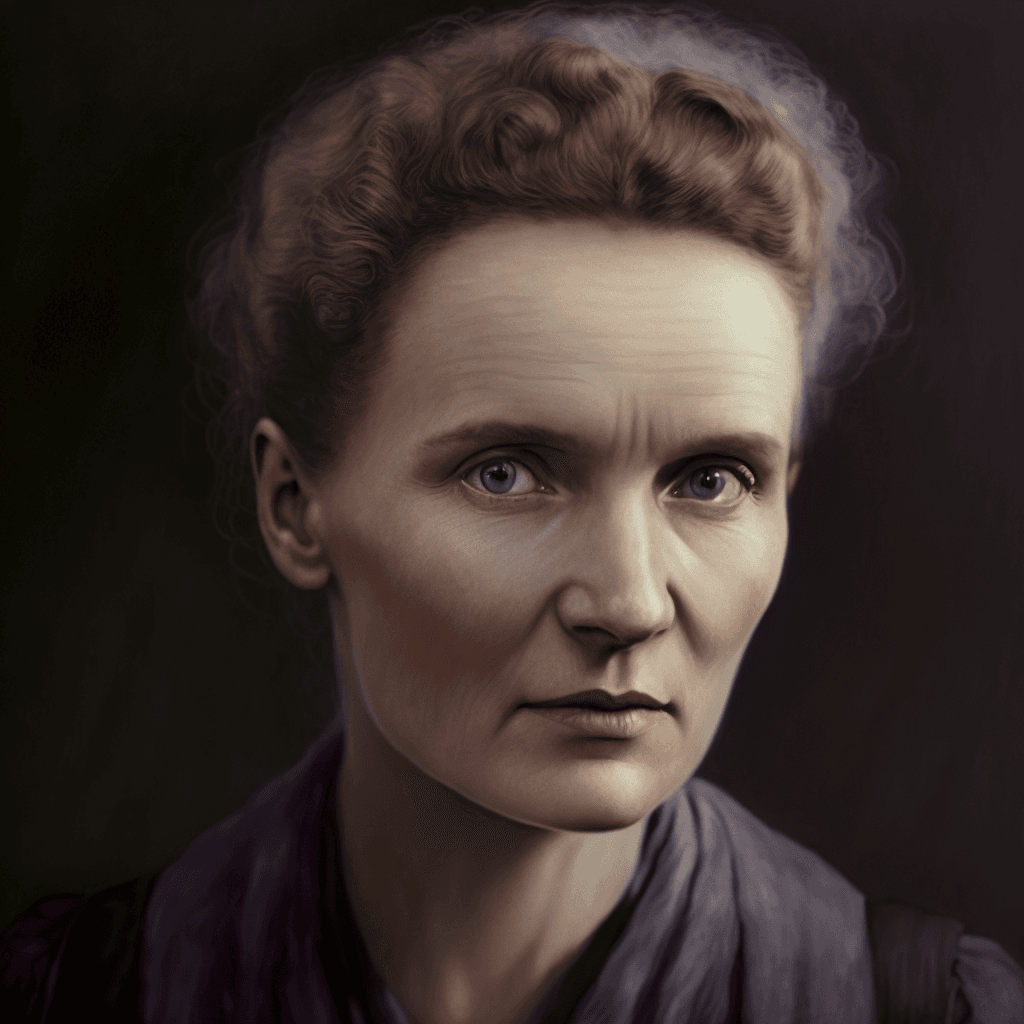
1867–1934
Scientist • Pioneer • Nobel Laureate
ماري سكلودوفسكا وُلِدت في وارسو، في بولندا التي كانت تحت السيطرة الروسية، حيث كانت الفرص الأكاديمية للنساء محدودة. مصممة على دراسة العلوم، انتقلت إلى باريس، وتبنت اسم ماري، والتحقت بسوربون. هناك التقت ببيير كوري، عالم الفيزياء الذي شاركها شغفها بالتجربة الدقيقة.
ابتكر كوري وزوجها مصطلح النشاط الإشعاعي، ومن خلال العمل الدؤوب مع خام البيتشبليند، عزلوا عنصرين جديدين: البولونيوم، الذي سُمّي على اسم وطن ماري، والراديوم. جعلت جائزة نوبل في الفيزياء عام 1903—المشتركة مع بيير وبكريل—ماري أول امرأة تفوز بجائزة نوبل. بعد وفاة بيير في عام 1906، أصبحت أول أستاذة أنثوية في سوربون واستمرت في البحث الذي أكسبها جائزة نوبل الثانية، في الكيمياء، في عام 1911.
خلال الحرب العالمية الأولى، نظمت ماري وحدات الأشعة السينية المتنقلة—"بيتي كوري"—لمساعدة الجراحين في تحديد الشظايا في الجنود الجرحى. توفيت في عام 1934 من فقر الدم اللاتنسجي المرتبط بالتعرض الطويل للإشعاع، قبل أن تُفهم المخاطر الصحية تمامًا. جمعت حياتها بين الاكتشافات الرائدة، وتجاوز الحواجز المؤسسية، والخدمة تحت النار، مما جعلها رمزًا دائمًا للشجاعة العلمية.
محطات بارزة في حياة هذا الشخص وإرثه
1867
Raised in an educated Polish family under Russian partition.
1891
Studied at the Sorbonne, earning degrees in physics and mathematics.
1898
Identified new elements while studying uranium rays with Pierre Curie.
1911
Awarded Nobel Prize in Chemistry for isolating radium and studying its properties.
1934
Died from illness linked to radiation; later interred in the Panthéon.
معالم تحدد مساهمة هذا الشخص في التاريخ
Isolated new radioactive elements through years of meticulous laboratory work.
Nobel in Physics (1903) and Chemistry (1911)—the first person to win twice.
Advanced understanding of atomic structure and radiation phenomena.
Deployed mobile radiography units that saved countless lives on the battlefield.
تفاصيل بارزة عن هذه الشخصية
كيف شكّل هذا الشخص العالم الذي ورثناه
فتحت ماري كوري عصر الذرة من خلال إظهار أن الذرات ليست غير قابلة للتجزئة وثابتة، بل يمكن أن تطلق الطاقة وتتحول. حطمت جوائزها الحواجز الجندرية في العلوم، ملهمةً أجيالًا من الباحثات. تتبع الاستخدامات الطبية للراديوم والفيزياء النووية اللاحقة جذورها إلى عملها، بينما تظل قصتها نقطة مرجعية للنقاشات حول الأخلاق والسلامة والعدالة في الاكتشاف العلمي.
تأثير دائم يمتد عبر الأجيال
Marie Curie opened the atomic age by showing that atoms were not indivisible and stable but could emit energy and transform. Her prizes shattered gender barriers in science, inspiring generations of women researchers. Radium's medical uses and later nuclear physics trace lineages to her work, while her story remains a touchstone for discussions of ethics, safety, and equity in scientific discovery. Death in France (1934) remains a defining moment in Marie Curie's enduring reputation.
ملفات أخرى من نفس العصر أو المجال
موارد تعليمية منتقاة للدراسة المتعمقة