A Hero of Our Time
The 1840 novel, structured as linked stories about Pechorin, pioneered unreliable narration and social critique in Russian fiction.
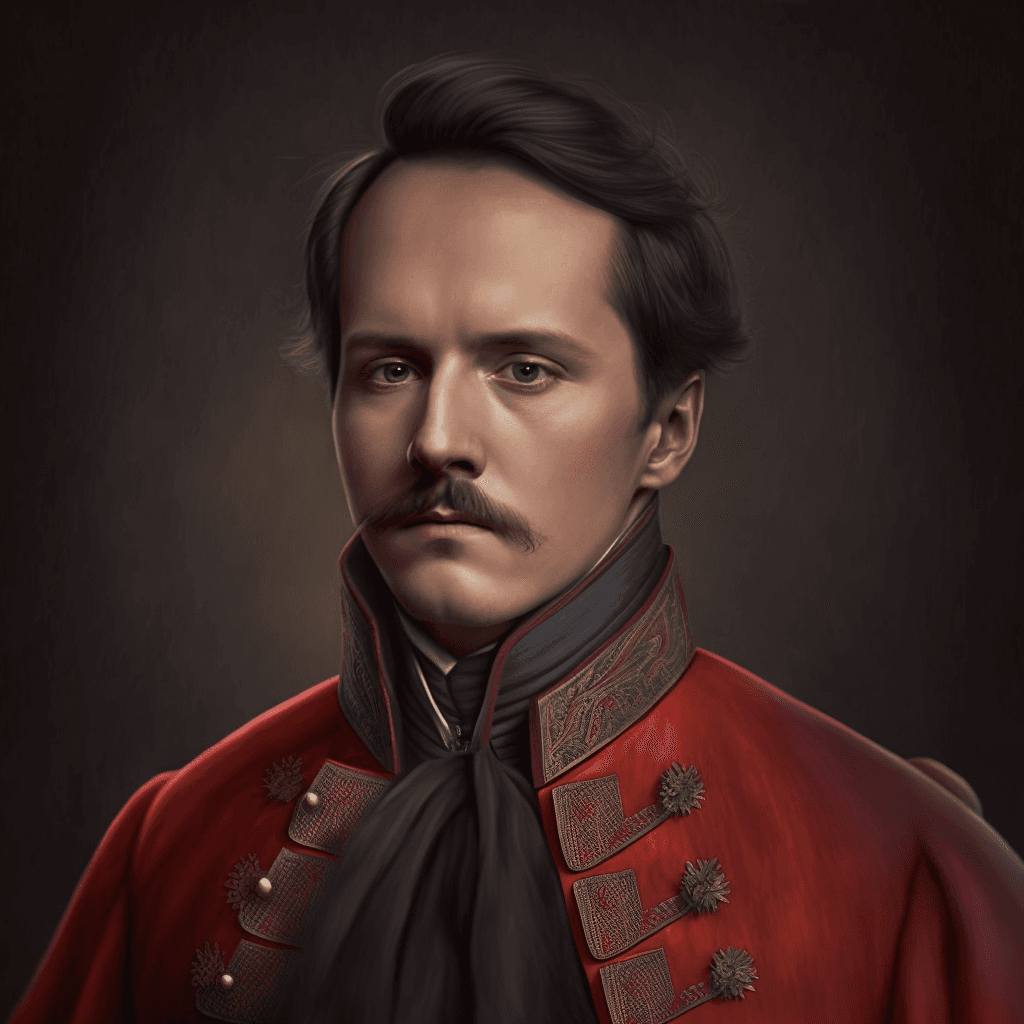
1814–1841
Poet • Novelist • Romantic Writer
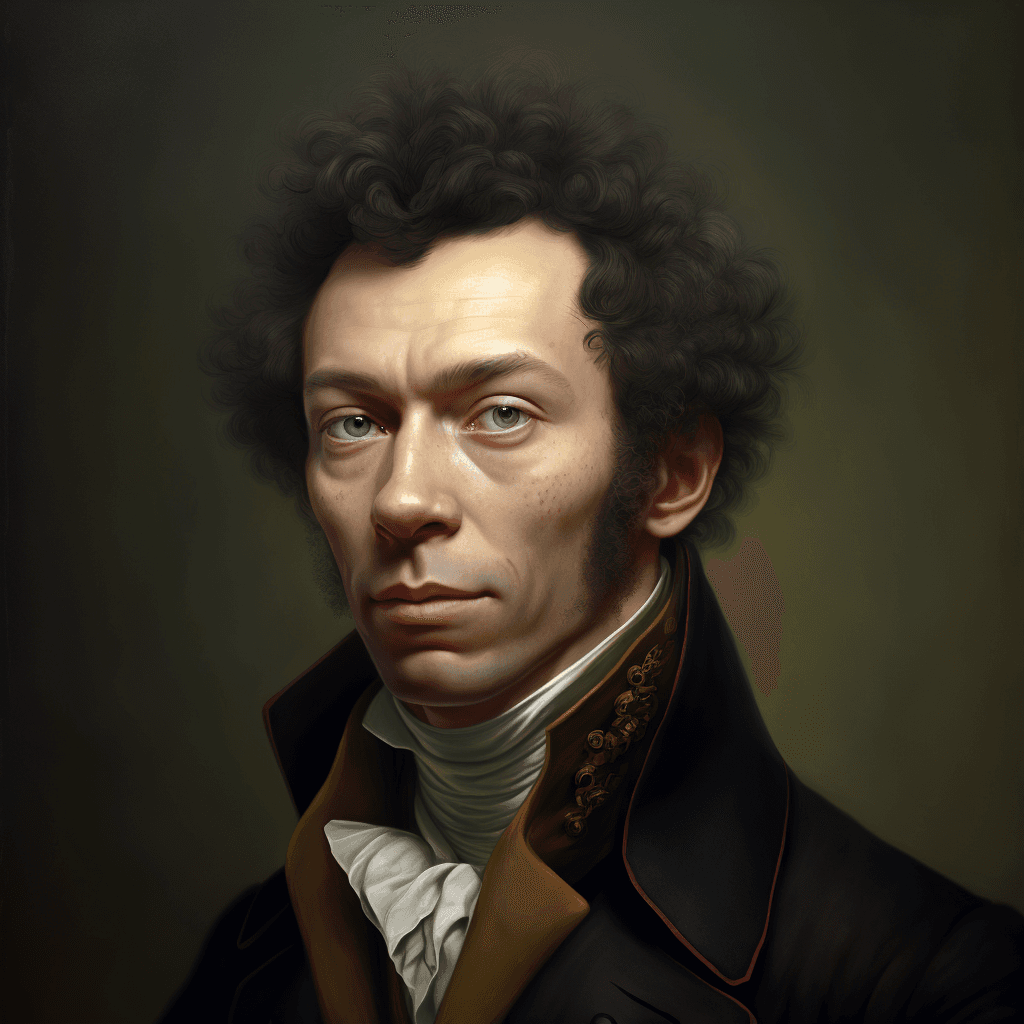
ميخائيل يورييفيتش ليرمونتوف وُلِدَ في عام 1814 في موسكو لعائلة ضابط في الجيش. نشأ تحت رعاية جدته بعد وفاة والدته المبكرة، ودرس في جامعة موسكو ومدرسة ضباط الحرس في سانت بطرسبرغ. تأثرت قصائده المبكرة بتأثير بايرون والقلق الأرستقراطي.
برز ليرمونتوف إلى الشهرة الوطنية في عام 1837 عندما أدان قصيدته 'موت الشاعر' مجتمع البلاط بعد مبارزة ألكسندر بوشكين القاتلة. تم نفيه إلى القوقاز بسبب تلميحات القصيدة، واستوعب المناظر الطبيعية الحدودية في أعمال مثل 'الشياطين' والرواية بطل عصرنا (1840) - أول رواية نفسية في الأدب الروسي وصورة للضابط الساخر بيشورين.
أنهت مبارزة ثانية في بيتيغورسك حياته في يوليو 1841. على الرغم من أنه كتب بشكل مكثف لأكثر من عقد بقليل، إلا أن شعر ليرمونتوف التقط الكآبة الرومانسية والتمرد، بينما تنبأت نثره بالتقاليد الواقعية الروسية في استكشافها الأخلاقي.
محطات بارزة في حياة هذا الشخص وإرثه
1814
Lermontov lost his mother young and was raised largely by his wealthy grandmother, Elizaveta Arsenyeva.
1837
His poem mourning Pushkin led to arrest and exile to the Caucasus, where he served with the dragoons.
1840
The novel appeared in print, drawing praise and criticism for its cynical hero and fragmented structure.
1841
Lermontov was killed in a duel with fellow officer Nikolai Martynov near Pyatigorsk, aged twenty-six.
معالم تحدد مساهمة هذا الشخص في التاريخ
The 1840 novel, structured as linked stories about Pechorin, pioneered unreliable narration and social critique in Russian fiction.
His Romantic narrative poem of a fallen spirit longing for human love became one of Russia's most quoted lyrical works.
Exile inspired vivid depictions of mountain warfare and landscape in poems that expanded Russian literary geography.
His 1837 elegy on Pushkin's death attacked aristocratic complicity and made Lermontov the voice of literary protest.
تفاصيل بارزة عن هذه الشخصية
كيف شكّل هذا الشخص العالم الذي ورثناه
ربط ليرمونتوف بين وضوح بوشكين الكلاسيكي والواقعية في القرن التاسع عشر، مما منح الأدب الروسي نموذجه من البطل الزائد، المخيب للآمال. كما شكلت كتاباته عن القوقاز تصورات الروس عن الحدود الجنوبية للإمبراطورية.
تأثير دائم يمتد عبر الأجيال
Lermontov bridged Pushkin's classical clarity and later nineteenth-century realism, giving Russian literature its archetype of the superfluous, disillusioned hero. His Caucasus writings also shaped Russian perceptions of the empire's southern frontier. Fatal Duel (1841) remains a defining moment in Mikhail Lermontov's enduring reputation.
ملفات أخرى من نفس العصر أو المجال
موارد تعليمية منتقاة للدراسة المتعمقة