Rubáiyát
Quatrains on life, fate, and the search for meaning that became a global literary touchstone.
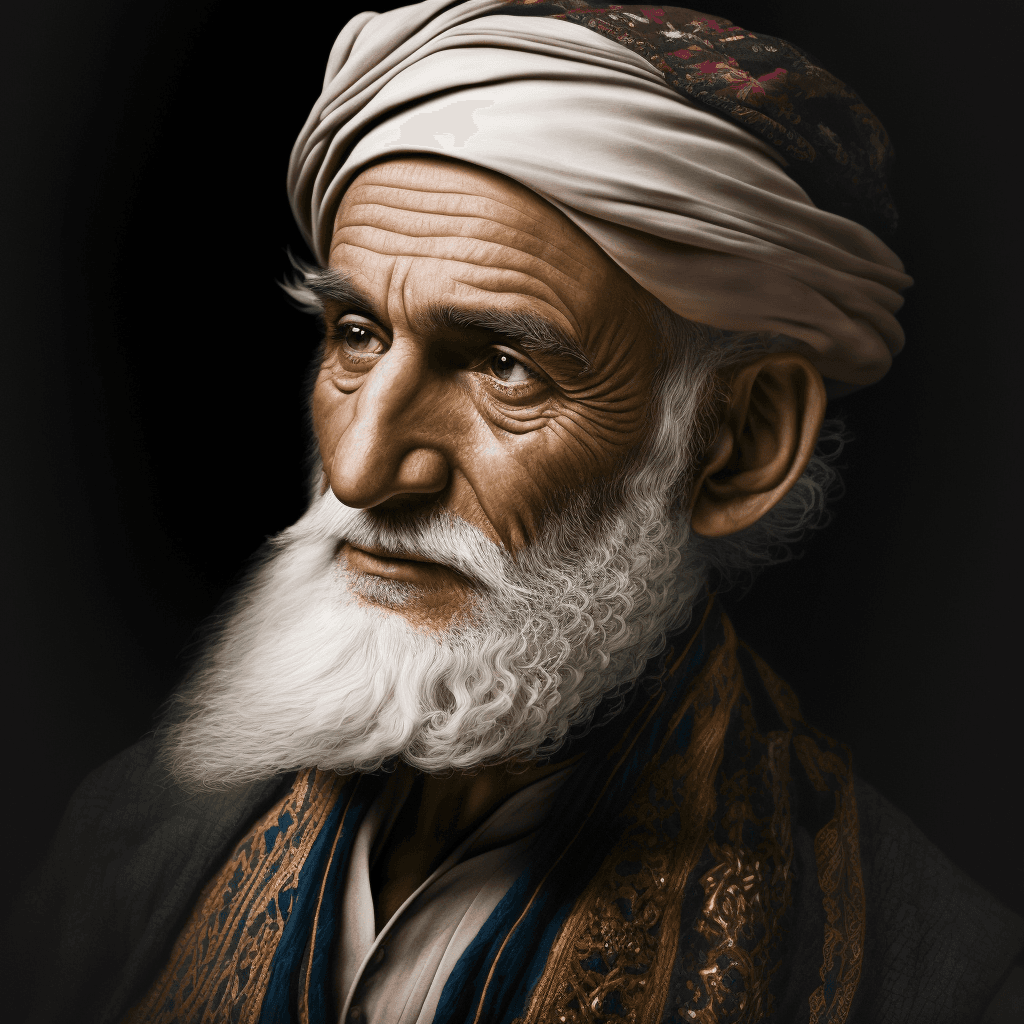
1048–1131
Poet • Mathematician • Astronomer
عمر الخيام (Omar Khayyam) وُلِد في نيسابور، في إيران الحالية، خلال فترة من الاضطراب الفكري في العالم الإسلامي. تدرب في الرياضيات والفلك والفلسفة، وعمل في بلاطات في أصفهان وأماكن أخرى، حيث مكّن الرعاية من العمل العلمي والإصلاح العملي. كانت سمعته في حياته تعتمد بشكل رئيسي على الرياضيات والفلك بدلاً من الشعر.
في الرياضيات، قدم الخيام مساهمات بارزة في تصنيف وحل المعادلات التكعيبية، متوقعًا تقنيات لن يتم تنظيمها بالكامل في أوروبا لقرون. كعالم فلك، شارك في إصلاح التقويم، وساعد في إنتاج التقويم الجلالي—وهو تقويم شمسي دقيق لا يزال يُشار إليه في إيران اليوم. تعكس كتاباته الفلسفية، بما في ذلك المناقشات حول الوجود والضرورة، التفاعل مع الفكر الأرسطي والإسلامي.
اكتسبت رباعيات الخيام، التي تم جمعها لاحقًا في الرباعيات، شهرة عالمية من خلال ترجمة إدوارد فيتزجيرالد الإنجليزية في القرن التاسع عشر. سواء كان يمكن نسب كل بيت إليه بشكل مؤكد أم لا، فإن القصائد—التي تتأمل في الفناء والمتعة وحدود المعرفة البشرية—قد شكلت صورته كحكيم وشاعر يتمتع بدقة علمية وشكوك لحنية تتحدث عبر الثقافات والقرون.
محطات بارزة في حياة هذا الشخص وإرثه
1048
Born in Khurasan during the Seljuk era, entering a region rich in scholarship and trade.
1070s
Composed influential works on algebra, including systematic study of cubic equations.
1074–1079
Led astronomical observations under royal patronage and contributed to calendar reform.
1079
Helped institute a refined solar calendar, correcting drift in earlier systems.
1131
Died in his native city; later generations would celebrate him as poet, mathematician, and sage.
معالم تحدد مساهمة هذا الشخص في التاريخ
Quatrains on life, fate, and the search for meaning that became a global literary touchstone.
Geometric methods for classifying and solving cubic equations, a major advance in algebra.
Solar calendar reform with exceptional accuracy, influencing Persian timekeeping for generations.
Observatory work and star catalogs that supported precise celestial calculations.
تفاصيل بارزة عن هذه الشخصية
كيف شكّل هذا الشخص العالم الذي ورثناه
يُعتبر عمر الخيام عند تقاطع علم العصر الذهبي الإسلامي والأدب العالمي. أثرت ابتكاراته الجبرية على الرياضيين اللاحقين من الطوسي إلى العلماء الأوروبيين، بينما تجسد أعماله الفلكية دافع العصر نحو الدقة القابلة للقياس. من خلال الرباعيات، أصبح واحدًا من أكثر الأصوات الفارسية قراءة في الغرب، مما يرمز إلى استجابة إنسانية للشك—حيث تتعايش العقل والدهشة وقبول قصر الحياة.
تأثير دائم يمتد عبر الأجيال
Omar Khayyam stands at a crossroads of Islamic Golden Age science and world literature. His algebraic innovations influenced later mathematicians from al-Tusi to European scholars, while his astronomical work embodied the era's drive toward measurable precision. Through the Rubáiyát, he became one of the most widely read Persian voices in the West, symbolizing a humane response to uncertainty—where reason, wonder, and acceptance of life's brevity coexist. Death in Nishapur (1131) remains a defining moment in Omar Khayyam's enduring reputation.
ملفات أخرى من نفس العصر أو المجال
موارد تعليمية منتقاة للدراسة المتعمقة