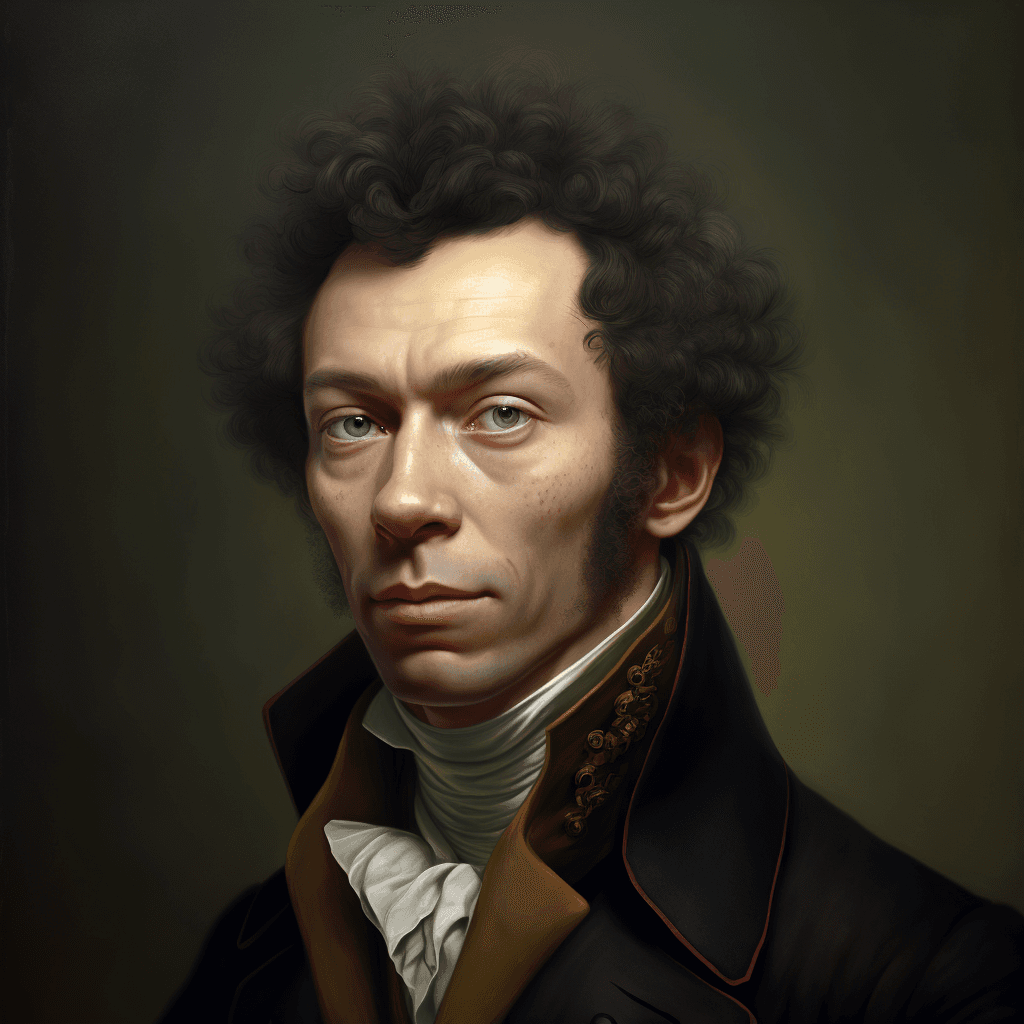
Revived Peasant Lyric Tradition
Used village dialect and nature imagery to create a nationally recognizable poetic voice distinct from Symbolist abstraction.
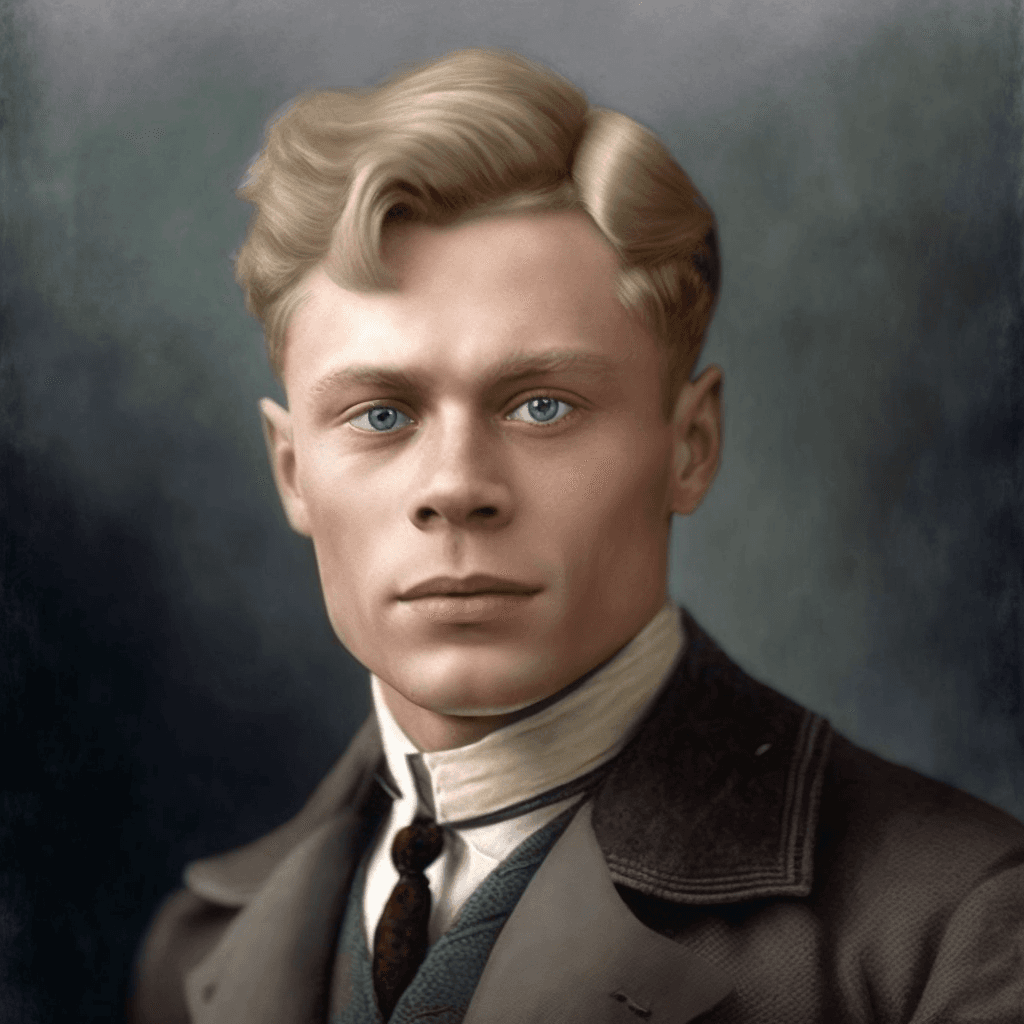
1895–1925
Poet • Lyric Voice of Russia
وُلِدَ في عام 1895 في قريته كونستانتينوفو، على سهل ريازان، نشأ سيرجي ألكسندروفيتش يسنين بين غابات البتولا وأجراس الكنائس التي ملأت شعره المبكر بصور ريفية وإيقاع شعبي. انتقل إلى موسكو ثم بطرسبورغ، ونشر *Radunitsa* في عام 1916 وسرعان ما اكتسب شهرة لأشعاره التي بدت كأنها نواح مغناة بدلاً من تمارين أدبية.
احتضن يسنين الثورة عام 1917 في البداية، كاتبًا عن ريف متحول، لكنه أصيب بخيبة أمل من الوحشية الحضرية وسياسة الثقافة البلشفية. جعل زواجه من الراقصة الأمريكية إيزادورا دنكان في عام 1922 عناوين الصحف عبر القارات، لكن العلاقة انهارت وسط الإدمان وسوء الفهم المتبادل. امتزجت أعمال مثل *الحانة موسكو* و*آنا سنغينا* بين الحنين، والسخرية، والاعتراف الخام.
في سنواته الأخيرة، عانى يسنين من الاكتئاب والحبس المؤسسي. أقدم على الانتحار في فندق أنجلتر في لينينغراد في 28 ديسمبر 1925، تاركًا وراءه قصيدة وداع مكتوبة بدمه. حضر الملايين قراءات تأبينية؛ تم حفظ أشعاره في المدارس، مما جعله صوت روسيا الفلاحية التي تتلاشى تحت التحديث الصناعي.
محطات بارزة في حياة هذا الشخص وإرثه
1895
Raised in a Ryazan village; childhood landscape became the emotional core of his poetry.
1916
First major collection established him as a leading young poet before the revolution.
1922
Wedding in Moscow linked Russian literature to international modern dance, though the union lasted only months.
1924
Published a cycle mixing satire and despair about urban life under the new regime.
1925
Died at thirty in the Hotel Angleterre; farewell poem 'Goodbye, my friend, goodbye' became instantly famous.
معالم تحدد مساهمة هذا الشخص في التاريخ
Used village dialect and nature imagery to create a nationally recognizable poetic voice distinct from Symbolist abstraction.
His 1925 narrative poem of love and revolution stands among the major works of early Soviet literature.
Many poems were set to music and entered folk repertoire, extending his reach beyond literary readership.
His life and death embodied the collision between rural romanticism and the violence of twentieth-century Russia.
تفاصيل بارزة عن هذه الشخصية
كيف شكّل هذا الشخص العالم الذي ورثناه
حافظ يسنين على المفردات العاطفية لروسيا الريفية في اللحظة التي كانت تُفكك فيها من خلال الجمعيات الزراعية والهجرة الحضرية. تظل أشعاره مركزية في المناهج الدراسية الروسية والأغاني الشعبية، وأصبح موته المأساوي نقطة مرجعية للنقاشات حول الفن، والإدمان، والثورة.
تأثير دائم يمتد عبر الأجيال
Yesenin preserved the emotional vocabulary of rural Russia at the moment it was being dismantled by collectivization and urban migration. His poetry remains central to Russian school curricula and popular song, and his tragic death became a reference point for discussions of art, alcoholism, and revolution. Suicide in Leningrad (1925) remains a defining moment in Sergei Yesenin's enduring reputation.
ملفات أخرى من نفس العصر أو المجال
موارد تعليمية منتقاة للدراسة المتعمقة