Founded Psychoanalysis
Developed free association, transference analysis, and dream interpretation as systematic methods for treating neurosis.
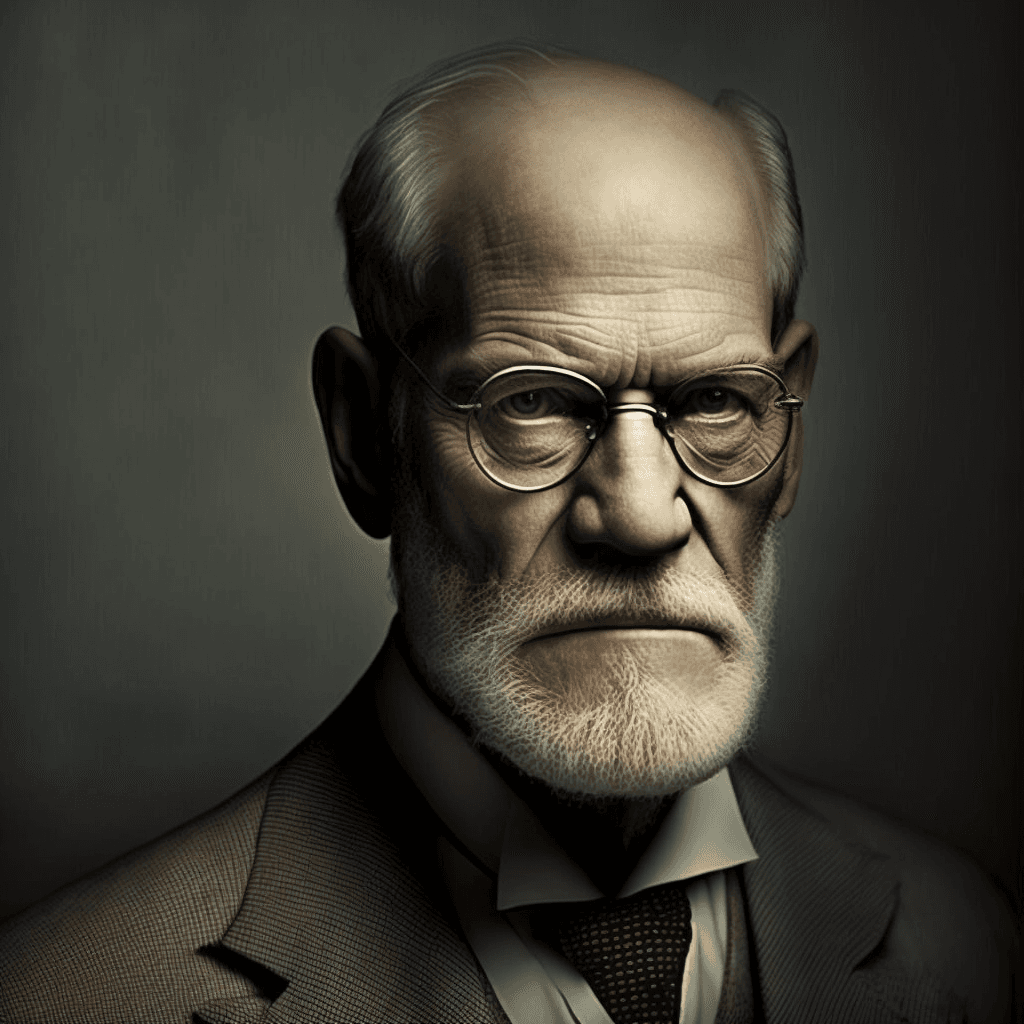
1856–1939
Psychoanalyst • Pioneer of the Unconscious
وُلِدَ في عام 1856 في فريبيرغ، مورافيا، انتقل زيغموند فرويد إلى فيينا كطفل وتدرب كطبيب أعصاب تحت إشراف جان-مارتن شاركوت في باريس، حيث اقترحت دراسات الهستيريا أن الأمراض النفسية لها جذور نفسية. في ممارسته الخاصة، تعاون مع جوزيف بروير على *دراسات في الهستيريا* (1895)، مقدماً 'علاج الكلام' ومفهوم الذاكرة المكبوتة.
نظريته الناضجة افترضت الأنا، والهو، والأنا العليا؛ والجنسانية الطفولية؛ ورمزية الأحلام كنافذة على الصراع اللاواعي. أعمال مثل *تفسير الأحلام* (1899)، *علم نفس الأمراض في الحياة اليومية*، و*الحضارة وسخطها* وسعت التحليل من المرضى السريريين إلى الثقافة، والدين، والفن. أسس جمعية التحليل النفسي في فيينا ونجا من الانقسامات المهنية مع ألفريد أدلر وكارل يونغ.
أجبرت النازية فرويد على الهجرة إلى لندن في عام 1938؛ توفي هناك في عام 1939 بسبب سرطان الفك بعد عقود من الجراحة. العديد من الادعاءات المحددة—نظرية أوديب، حسد القضيب—تُناقش الآن، لكن تركيزه على الدوافع اللاواعية، وآليات الدفاع، والحوار العلاجي لا يزال متجذرًا في الطب النفسي، والعلاج النفسي، واللغة اليومية.
محطات بارزة في حياة هذا الشخص وإرثه
1856
Family relocated to Vienna; he excelled in classical languages before entering medical school.
1895
With Breuer, published case studies establishing cathartic talking therapy as treatment for hysteria.
1900
Released his major work on dream analysis, initially selling poorly but eventually transforming psychology.
1908
Gathered followers in Salzburg, institutionalizing psychoanalysis as a global movement.
1939
Died in exile after fleeing Nazi annexation of Austria; his daughter Anna continued developing ego psychology.
معالم تحدد مساهمة هذا الشخص في التاريخ
Developed free association, transference analysis, and dream interpretation as systematic methods for treating neurosis.
Published in 1899, argued that dreams express disguised wishes, launching modern depth psychology.
Introduced concepts of repression, sublimation, and the structural model of id, ego, and superego.
Analyzed religion, war, and art in essays that influenced anthropology, literary criticism, and social theory.
تفاصيل بارزة عن هذه الشخصية
كيف شكّل هذا الشخص العالم الذي ورثناه
غير فرويد كيفية مناقشة المجتمعات الحديثة للرغبة، والشعور بالذنب، والمرض العقلي، موفرًا مفردات من 'زلة فرويدية' إلى 'آلية الدفاع'. تم تجاوز التحليل النفسي السريري جزئيًا بواسطة علوم الأعصاب والعلاج المعرفي، لكن أسئلته حول الدوافع الخفية تواصل تشكيل الأدب، والسينما، والإعلانات، والعلوم الإنسانية.
تأثير دائم يمتد عبر الأجيال
Freud altered how modern societies discuss desire, guilt, and mental illness, supplying vocabulary from 'Freudian slip' to 'defense mechanism.' Clinical psychoanalysis has been partly superseded by neuroscience and cognitive therapy, but his questions about hidden motivation continue to shape fiction, film, advertising, and the humanities. Death in London (1939) remains a defining moment in Sigmund Freud's enduring reputation.
ملفات أخرى من نفس العصر أو المجال
موارد تعليمية منتقاة للدراسة المتعمقة