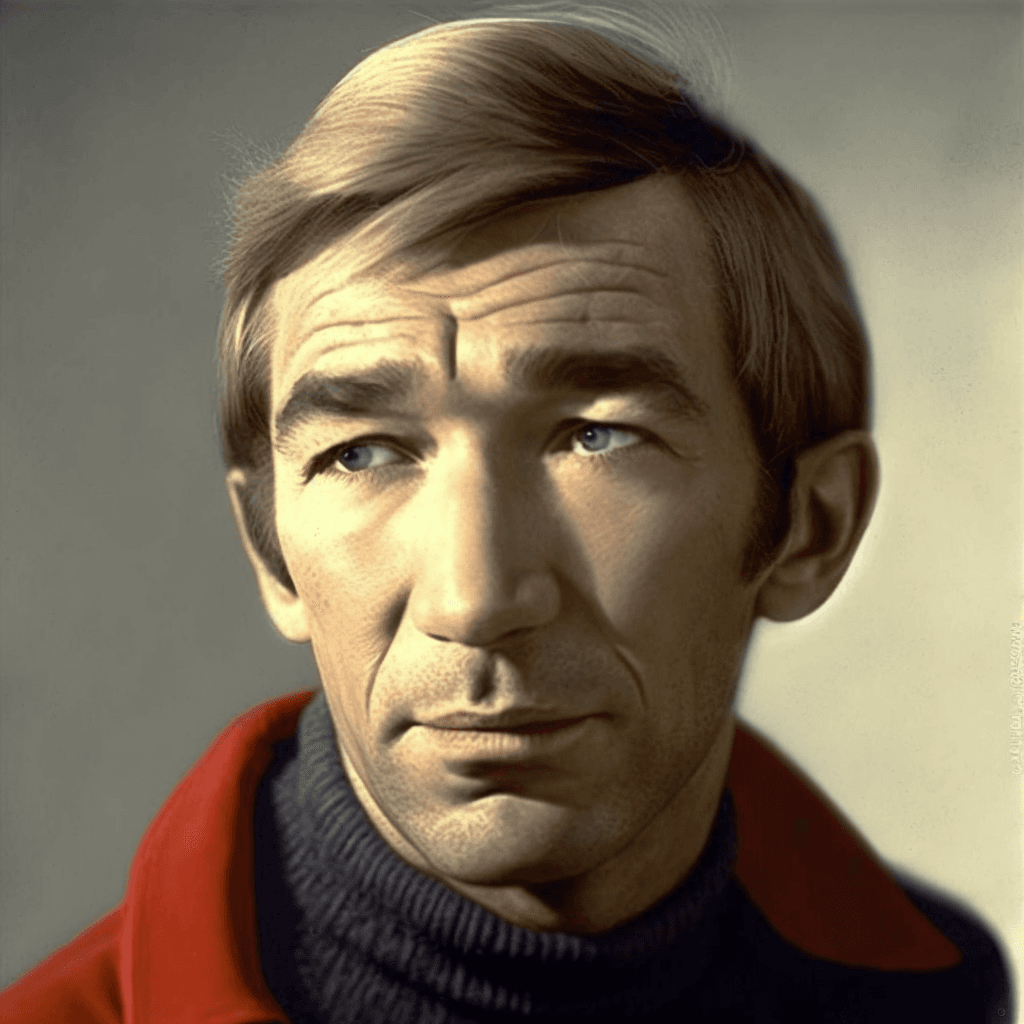
East of Eden
Earned an Academy Award nomination for his portrayal of Cal Trask in Elia Kazan's 1955 adaptation.

1931–1955
Actor • Rebel Without a Cause Icon
James Byron Dean was born in 1931 in Marion, Indiana, and raised after his mother's death on a farm near Fairmount under the care of his aunt and uncle Winslow. He moved to California with his father briefly, then returned to Indiana, where high school debate and basketball gave way to drama studies. After graduating he studied law at Santa Monica College before transferring to UCLA and eventually landing in New York, where he trained in Method acting under Lee Strasberg at the Actors Studio. Television appearances and a Broadway role in See the Jaguar preceded Hollywood tests that revealed a tense, reactive presence unlike the polished stars of the early 1950s.
Dean's film career spanned only three lead performances released within little more than a year. East of Eden transposed Steinbeck's Cain-and-Abel story into California ranch country, earning Dean an Oscar nomination for his improvisational anguish. Rebel Without a Cause, directed by Nicholas Ray, crystallized adolescent alienation through Jim Stark's red jacket and planetarium showdown, pairing Dean with Natalie Wood and Sal Mineo in images that teenagers copied worldwide. Giant, completed shortly before his death, cast him as the rough-edged ranch hand Jett Rink opposite Elizabeth Taylor and Rock Hudson, showcasing range that promised decades more work.
On 30 September 1955 Dean died when his Porsche 550 Spyder collided with another car en route to a Salinas road race, turning a promising career into myth within hours. Fans scavenged wreckage, magazines canonized him as a martyr of speed and sensitivity, and Warner Bros. marketed the unfinished films into blockbusters. Method acting, rock-and-roll rebellion, and fashion photographers from Roy Schatt to Dennis Stock fixed his slouched silhouette in global memory. Critics debate whether Dean's talent justified the cult, yet his brief screen time altered how Hollywood photographed youth: closer, messier, and emotionally unguarded.
1931 — Born in Marion. Raised in Indiana after early childhood loss reshaped his family life.
1951 — Moved to New York. Studied Method acting and pursued television and stage roles.
1955 — East of Eden Release. Breakthrough film premiered, showcasing improvisational emotional intensity.
1955 — Rebel Without a Cause. Starred in Nicholas Ray's landmark teenage drama the same year.
1955 — Fatal Crash. Died at twenty-four near Cholame, California, cementing posthumous legend.
Key moments across this figure's life and legacy
1931
Raised in Indiana after early childhood loss reshaped his family life.
1951
Studied Method acting and pursued television and stage roles.
1955
Breakthrough film premiered, showcasing improvisational emotional intensity.
1955
Starred in Nicholas Ray's landmark teenage drama the same year.
1955
Died at twenty-four near Cholame, California, cementing posthumous legend.
Landmarks that define this figure's contribution to history
Earned an Academy Award nomination for his portrayal of Cal Trask in Elia Kazan's 1955 adaptation.
Defined 1950s youth culture through Jim Stark's wardrobe, posture, and family conflict.
Completed a third major role as Jett Rink before his fatal car crash.
Brought Actors Studio techniques into mainstream Hollywood stardom.
Notable details about this historical figure
How this figure shaped the world we inherit
Dean compressed postwar anxieties about conformity, masculinity, and generational fracture into a handful of performances that outlived him by seventy years. His red jacket and slouched defiance became visual shorthand for teenage rebellion, influencing fashion, rock culture, and every later film that treats youth as moral drama rather than comic filler.
Enduring influence across generations
Dean compressed postwar anxieties about conformity, masculinity, and generational fracture into a handful of performances that outlived him by seventy years. His red jacket and slouched defiance became visual shorthand for teenage rebellion, influencing fashion, rock culture, and every later film that treats youth as moral drama rather than comic filler. Fatal Crash (1955) remains a defining moment in James Dean's enduring reputation.
Explore more profiles from the same era or field
Curated educational resources for further study
Start a private conversation and explore their wisdom through Historical Collection AI.