Montgomery Bus Boycott
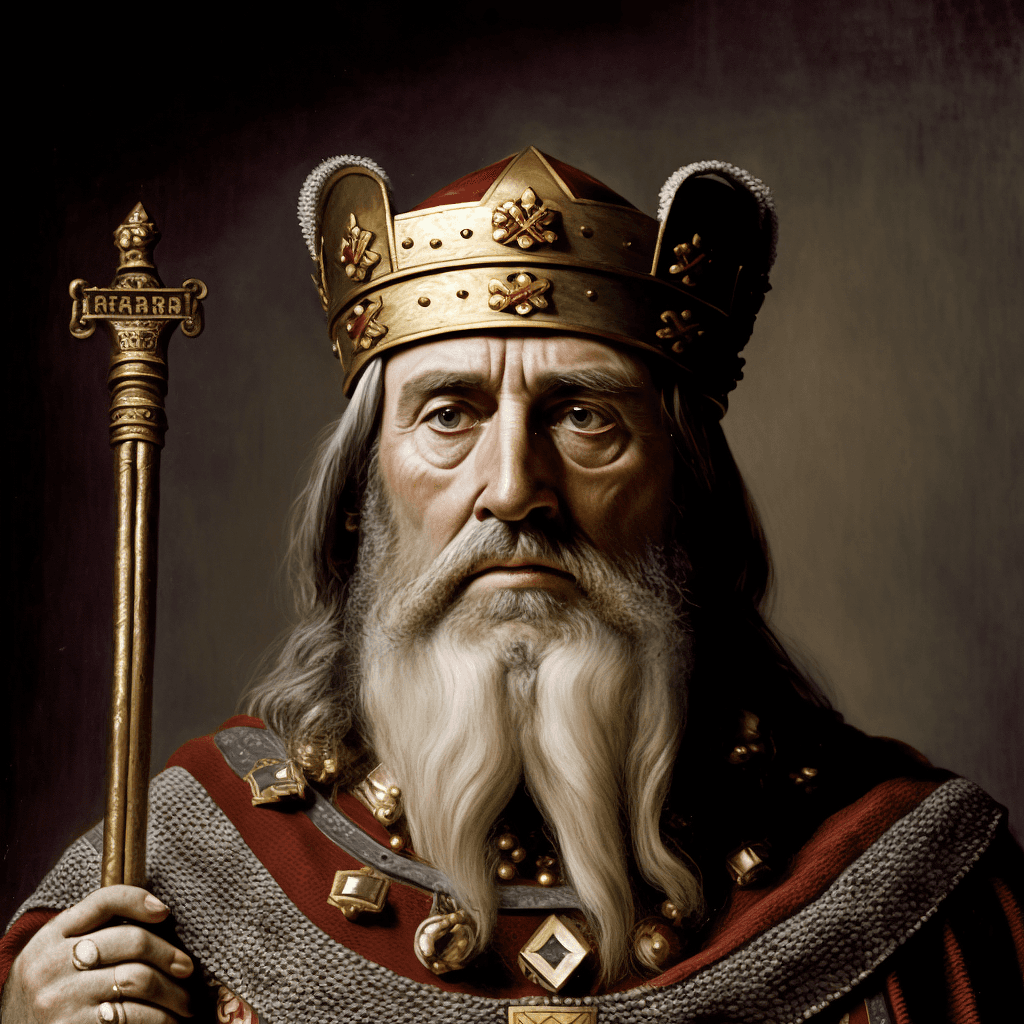
King's leadership of the 1955–56 boycott helped end segregated seating and launched him as a national civil rights spokesman.
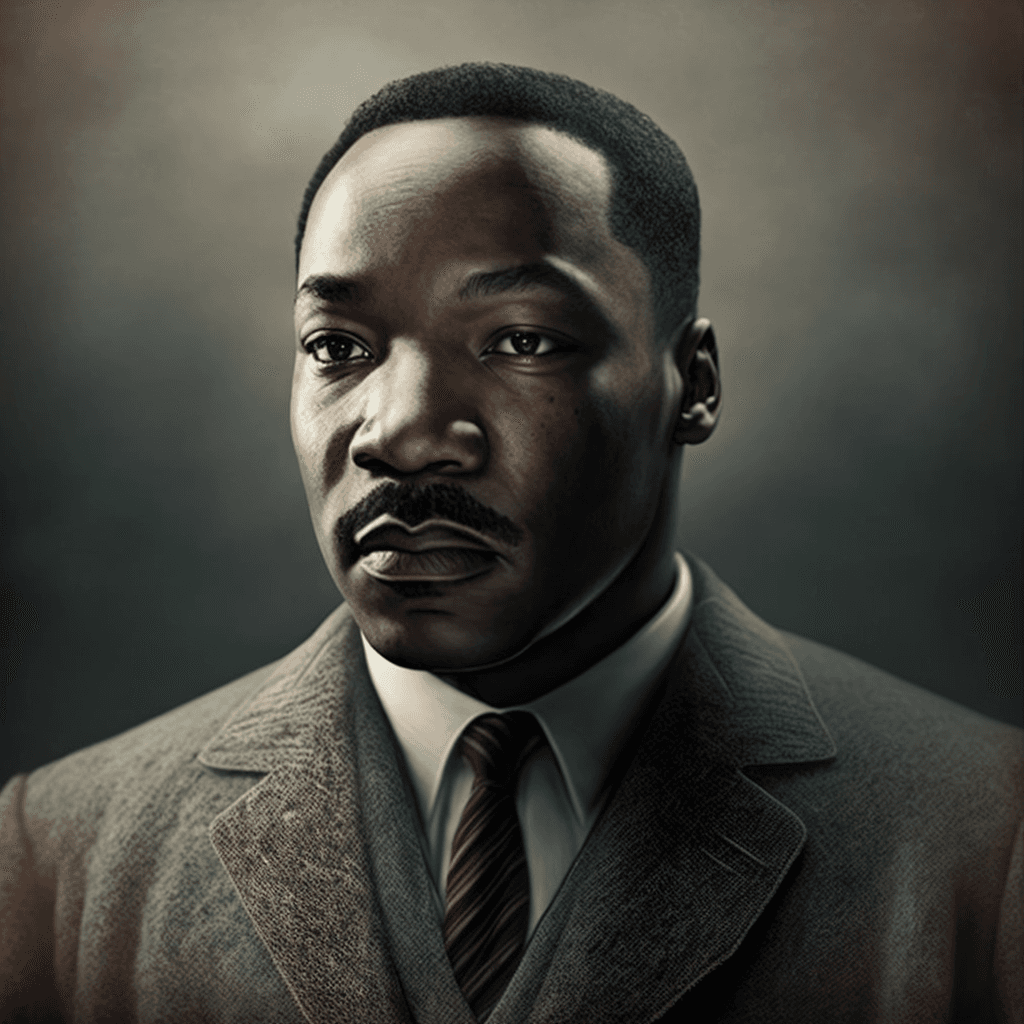
1929–1968
Civil Rights Leader • Orator • Nobel Laureate
Martin Luther King Jr. was born in 1929 in Atlanta, Georgia, son of a Baptist minister. Educated at Morehouse College, Crozer Theological Seminary, and Boston University, he absorbed Gandhi's ideas of nonviolent resistance and Christian social gospel teaching. In 1955 he rose to national prominence leading the Montgomery bus boycott after Rosa Parks's arrest.
As first president of the Southern Christian Leadership Conference, King organized campaigns against segregation in Birmingham, marched on Washington in 1963, and advocated for voting rights legislation. His letter from Birmingham Jail and speeches linked moral argument to direct action. The 1964 Civil Rights Act and 1965 Voting Rights Act followed years of protest, arrests, and white violence.
King expanded focus to economic justice and opposition to the Vietnam War, drawing criticism from moderates and the FBI. On April 4, 1968, he was assassinated in Memphis, where he had come to support striking sanitation workers. A federal holiday honoring him, established in 1983, marks his place as the most visible leader of America's twentieth-century freedom struggle.
1929 — Birth in Atlanta. Born Michael King Jr., he later received his father's adopted name honoring the Protestant reformer Martin Luther.
1955 — Montgomery Leadership. After Rosa Parks's arrest, King helped coordinate a year-long boycott that desegregated city buses.
1963 — Birmingham and Washington. Children's marches and national media coverage of police dogs preceded the August March on Washington for Jobs and Freedom.
1964 — Civil Rights Act. Landmark federal law banned segregation in public places and employment discrimination— a major goal of King's campaigns.
1968 — Assassination in Memphis. James Earl Ray shot King at the Lorraine Motel; riots erupted in cities nationwide as mourners gathered for his funeral.
Key moments across this figure's life and legacy
1929
Born Michael King Jr., he later received his father's adopted name honoring the Protestant reformer Martin Luther.
1955
After Rosa Parks's arrest, King helped coordinate a year-long boycott that desegregated city buses.
1963
Children's marches and national media coverage of police dogs preceded the August March on Washington for Jobs and Freedom.
1964
Landmark federal law banned segregation in public places and employment discrimination— a major goal of King's campaigns.
1968
James Earl Ray shot King at the Lorraine Motel; riots erupted in cities nationwide as mourners gathered for his funeral.
Landmarks that define this figure's contribution to history
King's leadership of the 1955–56 boycott helped end segregated seating and launched him as a national civil rights spokesman.
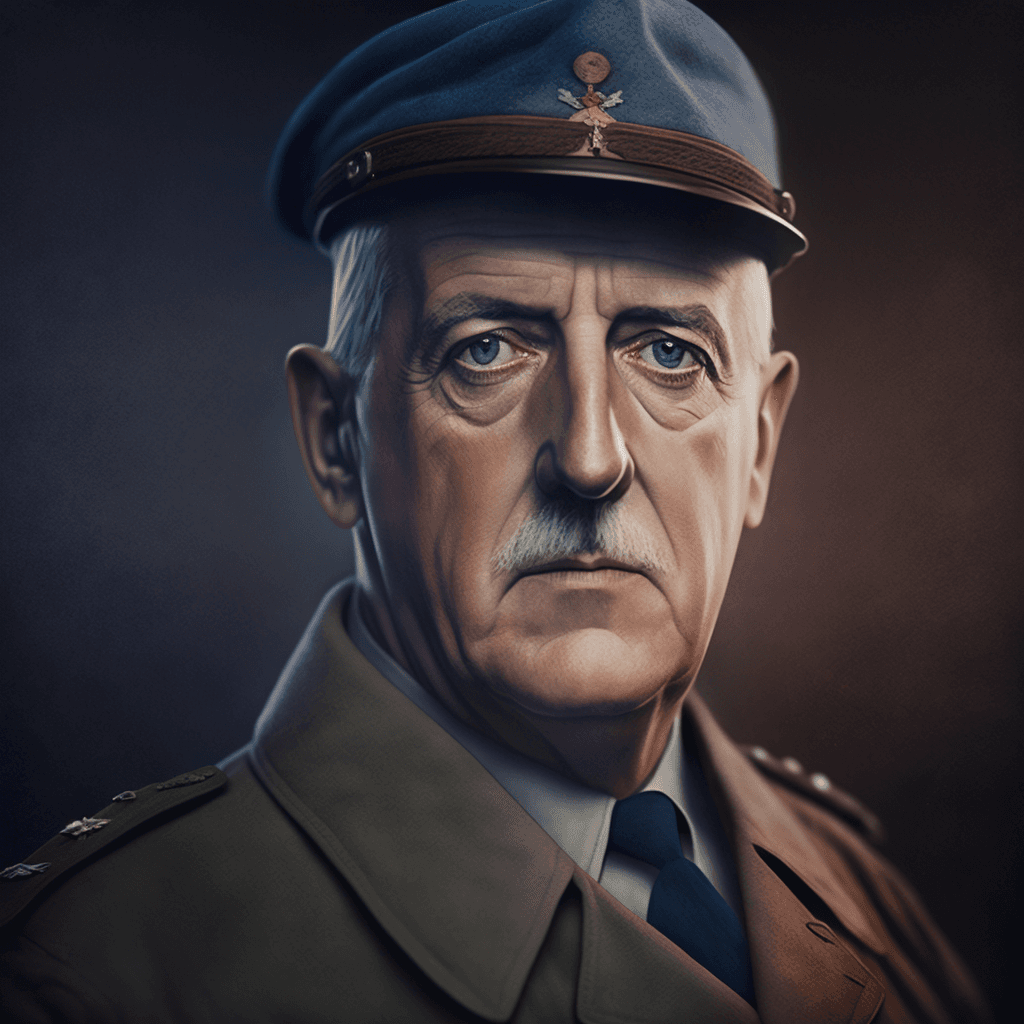
His 'I Have a Dream' address before the Lincoln Memorial in 1963 became the movement's most quoted call for racial equality.
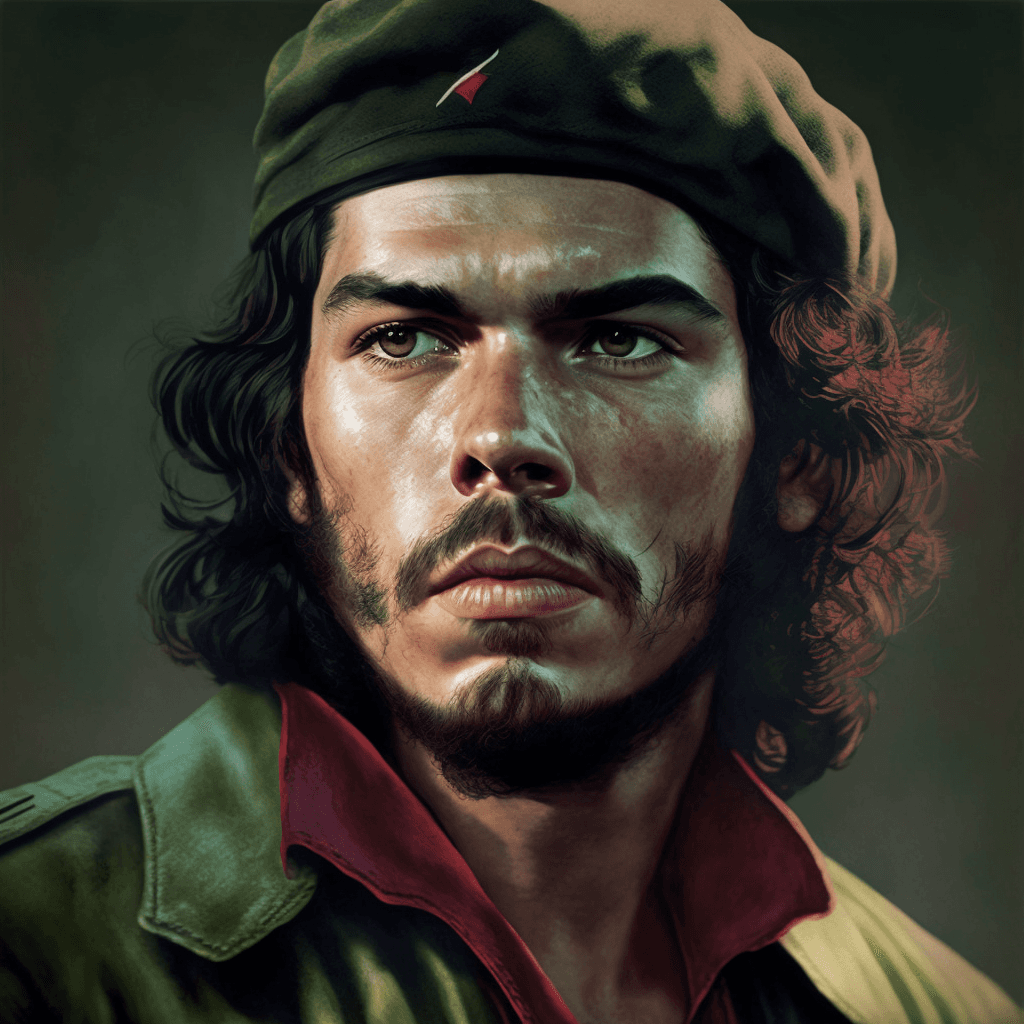
Awarded in 1964 at age thirty-five, the prize recognized nonviolent campaigns that produced landmark U.S. civil rights legislation.
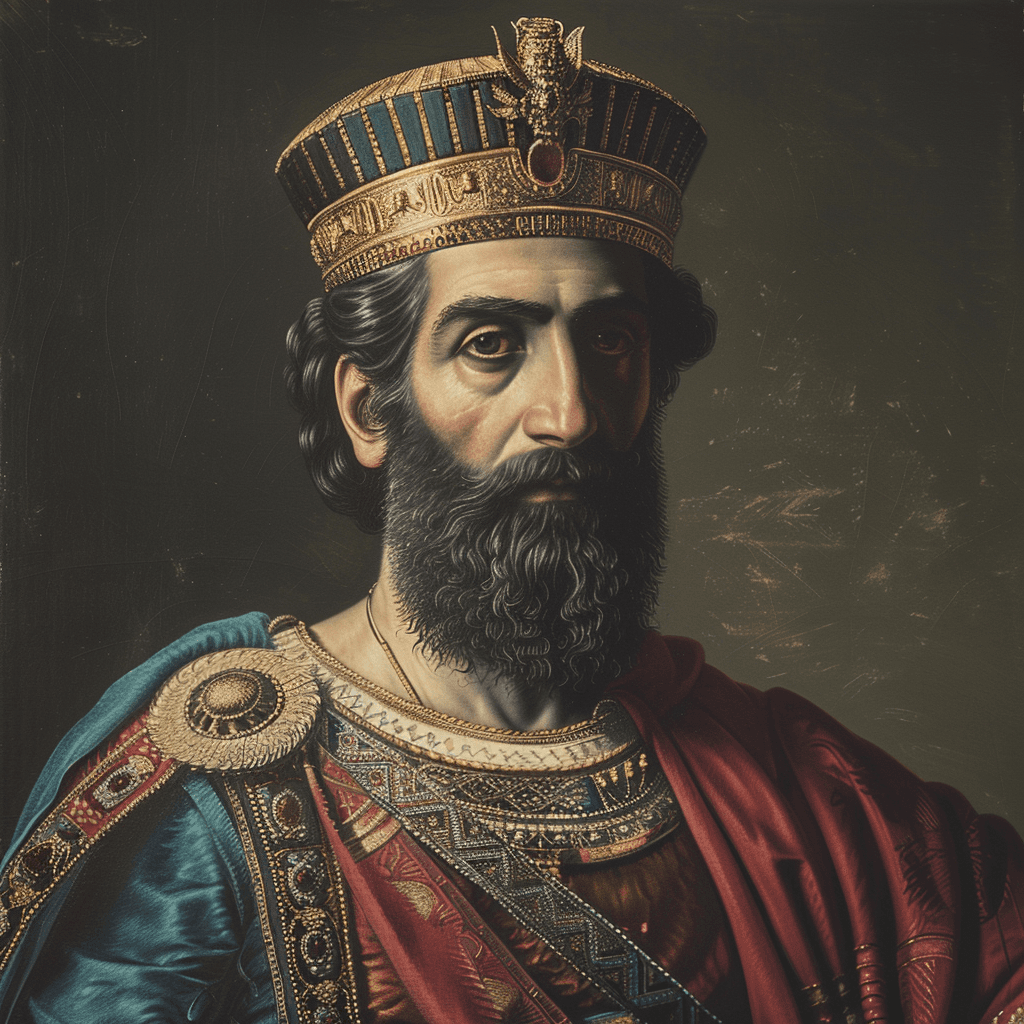
Protests and the Selma-to-Montgomery march in 1965 built pressure for the Voting Rights Act signed that August.
Notable details about this historical figure
How this figure shaped the world we inherit
King's fusion of Christian ethics and Gandhian nonviolence gave moral language to dismantling Jim Crow segregation. His martyrdom accelerated fair housing legislation and fixed civil rights at the center of American civic identity, even as later activists debated his strategies and unfinished economic agenda.
Enduring influence across generations
King's fusion of Christian ethics and Gandhian nonviolence gave moral language to dismantling Jim Crow segregation. His martyrdom accelerated fair housing legislation and fixed civil rights at the center of American civic identity, even as later activists debated his strategies and unfinished economic agenda. Assassination in Memphis (1968) remains a defining moment in Martin Luther King Jr.'s enduring reputation.
Explore more profiles from the same era or field
Curated educational resources for further study
Start a private conversation and explore their wisdom through Historical Collection AI.