Ballet Masterworks
Composed Swan Lake, The Sleeping Beauty, and The Nutcracker, defining Romantic ballet repertoire.
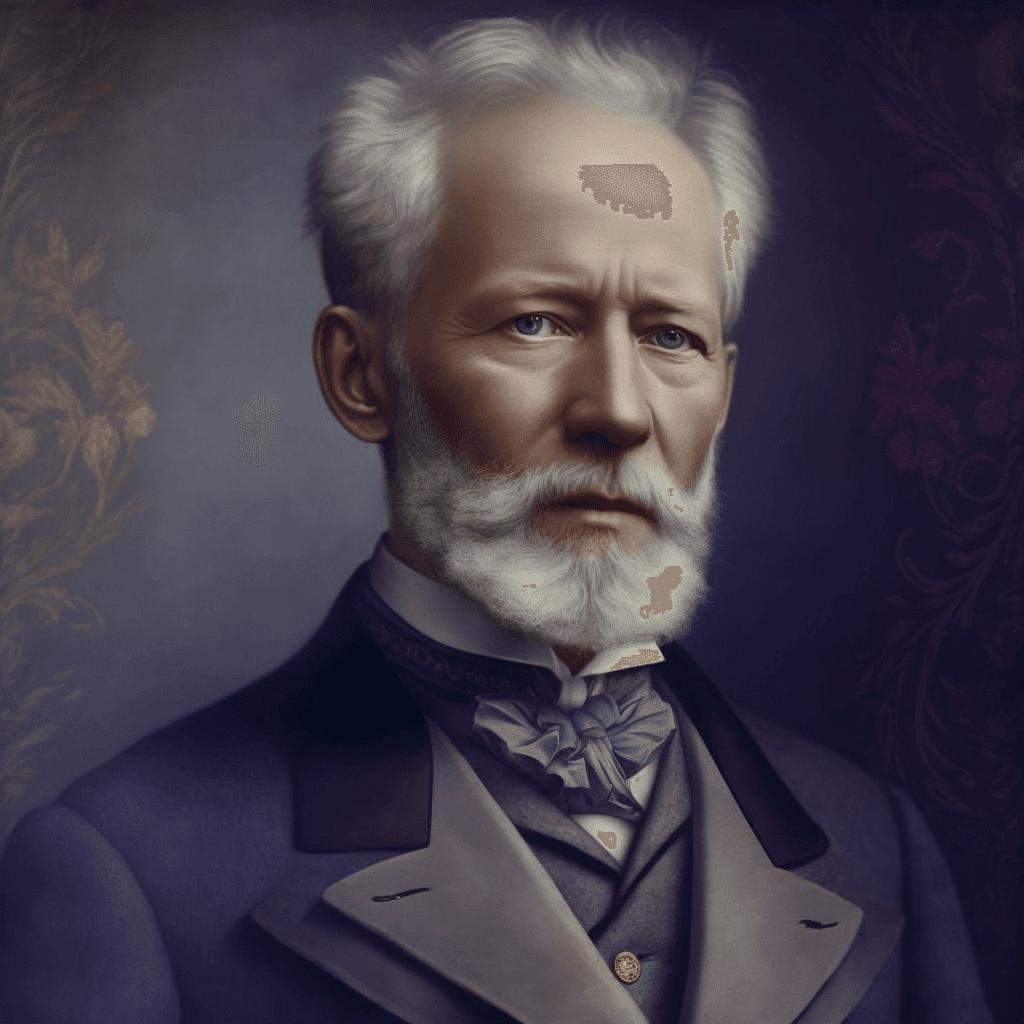
1840–1893
Composer • Master of Romantic Ballet and Symphony
Pyotr Ilyich Tchaikovsky was born on 7 May 1840 in Votkinsk, a metallurgical town in the Ural foothills, into a family of military engineers and French-speaking gentry. He entered the Imperial School of Jurisprudence in Saint Petersburg intending a civil service career, but music prevailed; he enrolled in the newly founded Saint Petersburg Conservatory in 1862, studying with Anton Rubinstein. Appointment to the Moscow Conservatory as professor of theory gave him stability while he composed operas, symphonies, and orchestral suites that blended Western form with Russian folk inflection.
Tchaikovsky's melodic gift produced enduring works: the ballets Swan Lake, The Sleeping Beauty, and The Nutcracker; symphonies including the Pathétique; the Piano Concerto No. 1 and Violin Concerto; and tone poems such as Romeo and Juliet and 1812 Overture. Patronage from Nadezhda von Meck, a wealthy widow who supported him for thirteen years without meeting him face to face, allowed creative freedom though their correspondence ended abruptly. He struggled with depression, social anxiety, and the stigma surrounding homosexuality in imperial Russia, themes biographers connect to the emotional volatility of his music. A disastrous marriage to Antonina Milyukova lasted weeks and deepened his isolation.
Tchaikovsky toured Europe and the United States as conductor, receiving honorary degrees and acclaim in cities from New York to Prague. He died on 6 November 1893 in Saint Petersburg nine days after premiering the Sixth Symphony, amid rumors—never confirmed—of forced suicide under court pressure related to his sexuality. His funeral drew massive public mourning, and imperial patronage soon elevated him as Russia's national composer. Diaghilev's Ballets Russes later re-staged his ballets with designs that fixed visual associations still used today. Recording technology spread his melodies into film, advertising, and holiday tradition, especially The Nutcracker's annual December performances. Musicologists credit him with proving that Russian composers could excel in genres dominated by German tradition, opening paths for Rimsky-Korsakov, Stravinsky, and Prokofiev.
1840 — Born in Votkinsk. Born in the Ural region into a family of military engineers.
1866 — Moscow Conservatory. Joined the Moscow Conservatory faculty and began major compositional projects.
1877 — Patronage of Nadezhda von Meck. Received financial support enabling sustained composition without court employment.
1890 — Premiere of The Sleeping Beauty. Presented his ballet at the Mariinsky Theatre in Saint Petersburg.
1893 — Death in Saint Petersburg. Died days after premiering the Sixth Symphony amid public mourning.
Key moments across this figure's life and legacy
1840
Born in the Ural region into a family of military engineers.
1866
Joined the Moscow Conservatory faculty and began major compositional projects.
1877
Received financial support enabling sustained composition without court employment.
1890
Presented his ballet at the Mariinsky Theatre in Saint Petersburg.
1893
Died days after premiering the Sixth Symphony amid public mourning.
Landmarks that define this figure's contribution to history
Composed Swan Lake, The Sleeping Beauty, and The Nutcracker, defining Romantic ballet repertoire.
Wrote six symphonies including the Pathétique, merging Russian melody with Romantic orchestration.
Created the Piano Concerto No. 1 and Violin Concerto, staples of international concert stages.
Conducted across Europe and America, establishing Russian music in international repertoire.
Notable details about this historical figure
How this figure shaped the world we inherit
Tchaikovsky integrated Russian themes into symphonic, operatic, and ballet forms at the highest international level, making concert halls worldwide receptive to Slavic composers. His emotionally direct style shaped popular understanding of classical music and keeps ballet and orchestral repertoire vital in contemporary culture.
Enduring influence across generations
Tchaikovsky integrated Russian themes into symphonic, operatic, and ballet forms at the highest international level, making concert halls worldwide receptive to Slavic composers. His emotionally direct style shaped popular understanding of classical music and keeps ballet and orchestral repertoire vital in contemporary culture. Death in Saint Petersburg (1893) remains a defining moment in Pyotr Ilyich Tchaikovsky's enduring reputation.
Explore more profiles from the same era or field
Curated educational resources for further study
Start a private conversation and explore their wisdom through Historical Collection AI.