One Hundred Years of Solitude
Published a landmark novel that popularized magical realism worldwide.
Discover
Explore influential historical figures from science, philosophy, leadership, art, and culture.
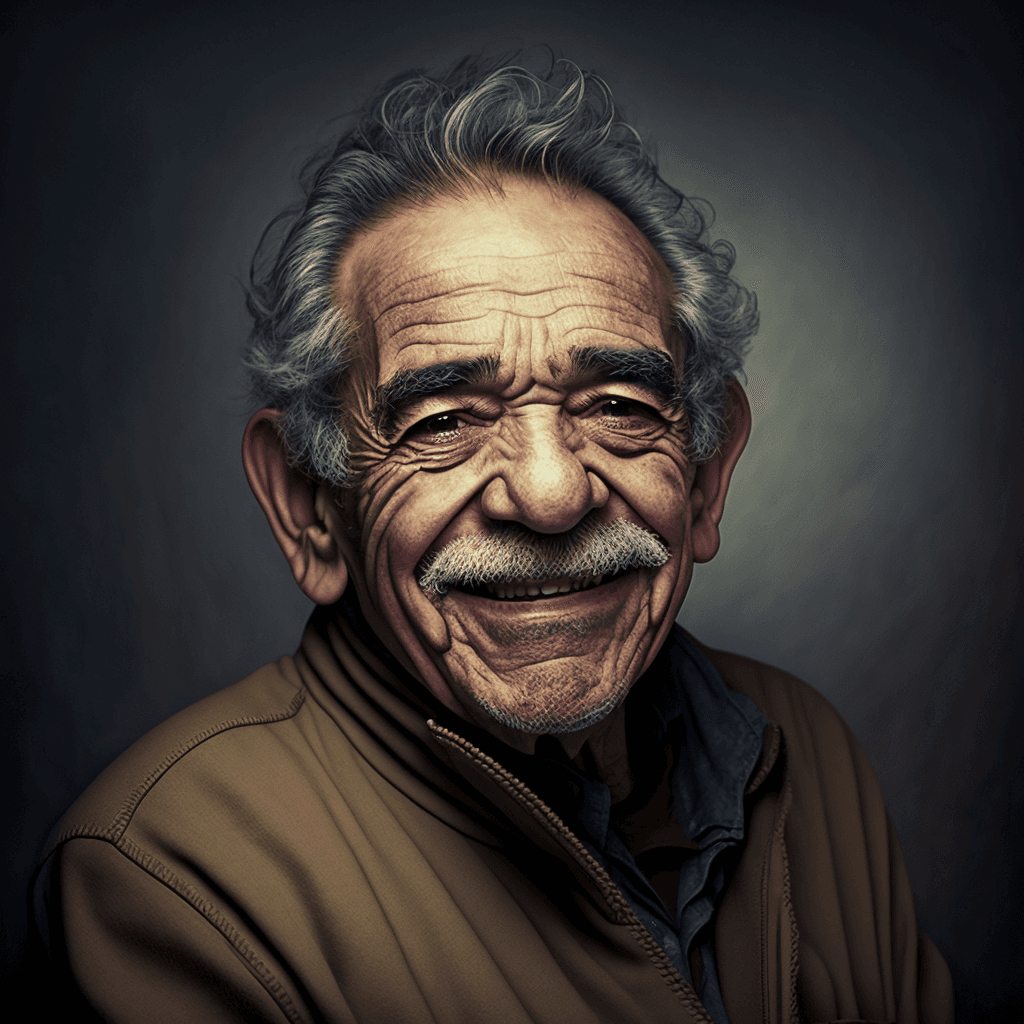
1927–2014
Novelist • Nobel Laureate • Magical Realist
This is a read-only educational profile. Chat, Council Mode, and AI features are not available for historical figures.
Gabriel García Márquez was born in 1927 in Aracataca, a small Colombian town he later mythologized as Macondo. Raised partly by grandparents whose stories mixed local gossip with supernatural detail, he studied law in Bogotá while working as a journalist—a profession he never abandoned even after literary fame. Reporting stints in Europe and Cuba sharpened his political eye and introduced him to figures such as Fidel Castro, with whom he maintained a lifelong friendship that later drew criticism in the West.
After years of poverty in Mexico City, García Márquez published One Hundred Years of Solitude in 1967. The novel traced the Buendía family through love, civil war, and cyclical fate in prose where rain could last years and ghosts attended dinner. It sold millions worldwide and opened Latin American fiction to international publishers. The Autumn of the Patriarch, Love in the Time of Cholera, and Chronicle of a Death Foretold followed, each blending precise social observation with dreamlike narrative logic.
He received the Nobel Prize in Literature in 1982 and used his platform to advocate for Latin American sovereignty and journalism. García Márquez died in Mexico City in 2014, leaving instructions that his unpublished manuscript be withheld until thirty years after his death. Macondo became shorthand for any place where history repeats as farce and miracle simultaneously.
Key moments across this figure's life and legacy
1947
Enrolled at university while publishing his first stories in Colombian newspapers.
1961
Relocated to Mexico, working in advertising and film while drafting Macondo.
1967
Released One Hundred Years of Solitude to immediate international acclaim.
1982
Received the literature prize in Stockholm as Colombia's first laureate in the field.
2014
Died at eighty-seven after years of lymphatic cancer treatment.
Landmarks that define this figure's contribution to history
Published a landmark novel that popularized magical realism worldwide.
Awarded in 1982 for novels combining myth, politics, and Caribbean reality.
Maintained investigative and narrative journalism alongside fiction throughout his career.
Delivered a late-career masterpiece on love and aging acclaimed by critics globally.
How this figure shaped the world we inherit
García Márquez placed Latin America's political violence and oral storytelling traditions at the center of world literature rather than its periphery. Magical realism after Macondo influenced authors from Toni Morrison to Salman Rushdie and reshaped how publishers marketed fiction from the Global South. His journalism reminded readers that the same writer who invented flying priests also documented coups and censorship with sober precision.
Explore more profiles from the same era or field
Curated educational resources for further study
Discover historical art and educational content on our media channels