Hippocratic Corpus
Associated with foundational treatises on prognosis, epidemics, surgery, and natural explanations of disease.
Discover
Explore influential historical figures from science, philosophy, leadership, art, and culture.

c. 460–370 BC
Physician • Father of Western Medicine
This is a read-only educational profile. Chat, Council Mode, and AI features are not available for historical figures.
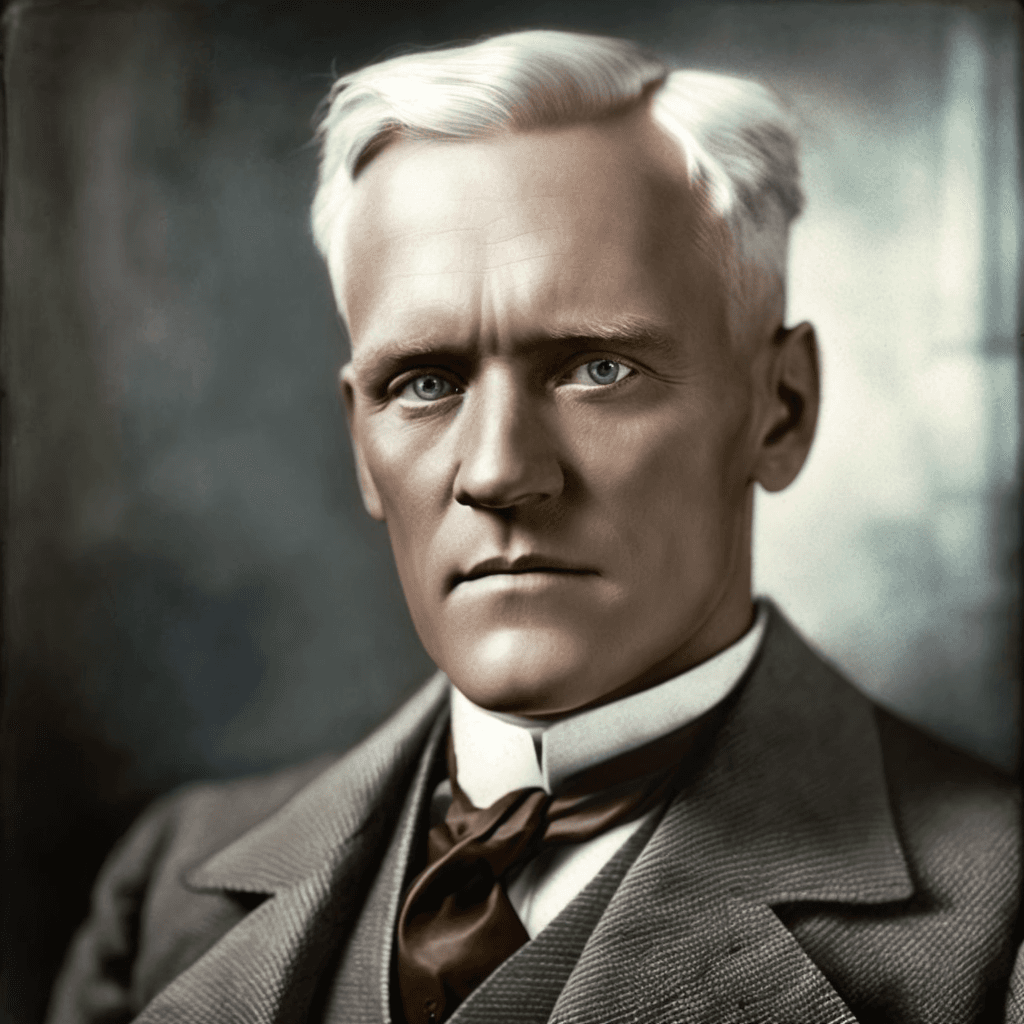
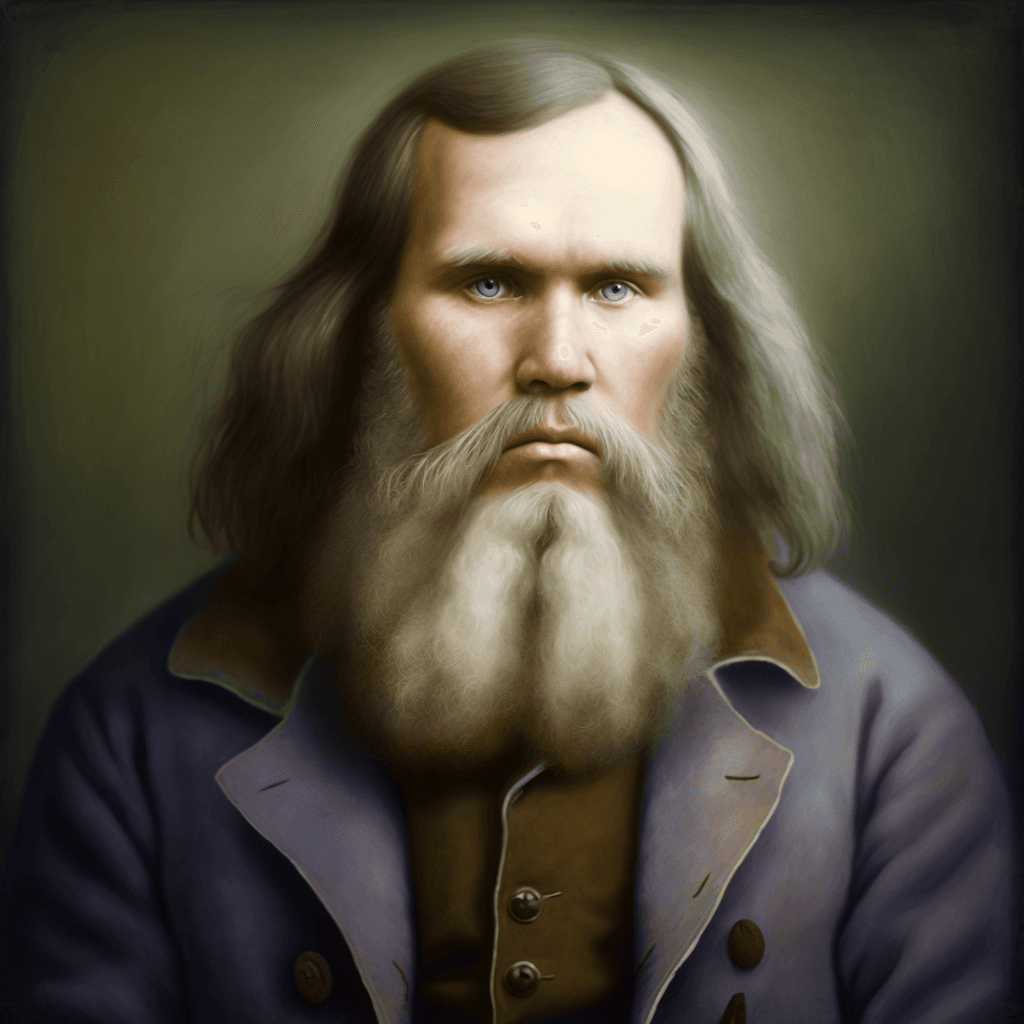
Hippocrates of Kos lived during the fifth and fourth centuries BCE, a period when Greek cities debated natural philosophy and competed through colonization and war. Ancient biographies portray him as the son of a physician and member of the Asclepiad guild, traveling among Aegean communities during plagues and military campaigns. Whether a single author or a school of practitioners, the name Hippocrates became associated with a decisive shift: explaining disease through natural causes rather than divine punishment alone. Texts later gathered under his name describe epidemics, prognostic signs, diet, surgery, and the humoral theory that dominated medicine for two millennia.
The Hippocratic Corpus—some sixty treatises of varying authorship—advocates careful bedside observation, noting how fever patterns, pulse, urine, and season correlate with outcomes. Works such as On Airs, Waters, and Places link environment to health, while Epidemics records case histories with a clinical detachment rare in ancient literature. The famous Oath, though probably composed after his lifetime, articulated ethical duties: beneficence, confidentiality, and restraint from harm, principles still recited at medical graduations. Hippocratic teaching also stressed regimen—exercise, sleep, and diet—as therapeutic tools, embedding preventive thinking within ancient practice.
Later Hellenistic and Roman physicians, including Galen, invoked Hippocrates as the authority of empirical medicine, and Arabic translators preserved and commented on the corpus in Baghdad and Cordoba. Renaissance humanists returned to Greek manuscripts to challenge medieval scholasticism, printing Hippocratic aphorisms alongside anatomical revolution. Modern historians distinguish the historical physician from legendary additions, yet the brand endures: clinical method, professional ethics, and the image of the physician as observer rather than magician all trace to Kos. Hippocrates symbolizes the moment medicine began to record nature's patterns with sentences instead of spells.
Key moments across this figure's life and legacy
c. 460 BC
Traditionally born on the Aegean island associated with the Asclepiad healing tradition.
c. 430 BC
Traveled and practiced during plague and conflict that tested Greek civic life.
c. 400 BC
Treatises later gathered under his name circulated among Greek medical schools.
c. 370 BC
Ancient sources disagree on place of death but agree on enduring reputation.
Middle Ages
Islamic scholars translated and commented on Hippocratic texts, transmitting them to Europe.
Landmarks that define this figure's contribution to history
Associated with foundational treatises on prognosis, epidemics, surgery, and natural explanations of disease.
Promoted systematic bedside note-taking that treated illness as a phenomenon to be studied, not a curse to be appeased.
Inspired the ethical code emphasizing patient welfare and professional restraint still honored in medical ceremonies.
Linked airs, waters, places, and lifestyle to health outcomes, anticipating public-health thinking.
How this figure shaped the world we inherit
Hippocrates gave Western medicine a vocabulary of observation, prognosis, and professional duty that outlasted the specific humoral theories his followers elaborated. From Galenic commentaries to modern white-coat ceremonies, the physician who watches, records, and heals without invoking the gods remains his lasting archetype.
Explore more profiles from the same era or field
Curated educational resources for further study
Discover historical art and educational content on our media channels