A Hero of Our Time
The 1840 novel, structured as linked stories about Pechorin, pioneered unreliable narration and social critique in Russian fiction.
Discover
Explore influential historical figures from science, philosophy, leadership, art, and culture.
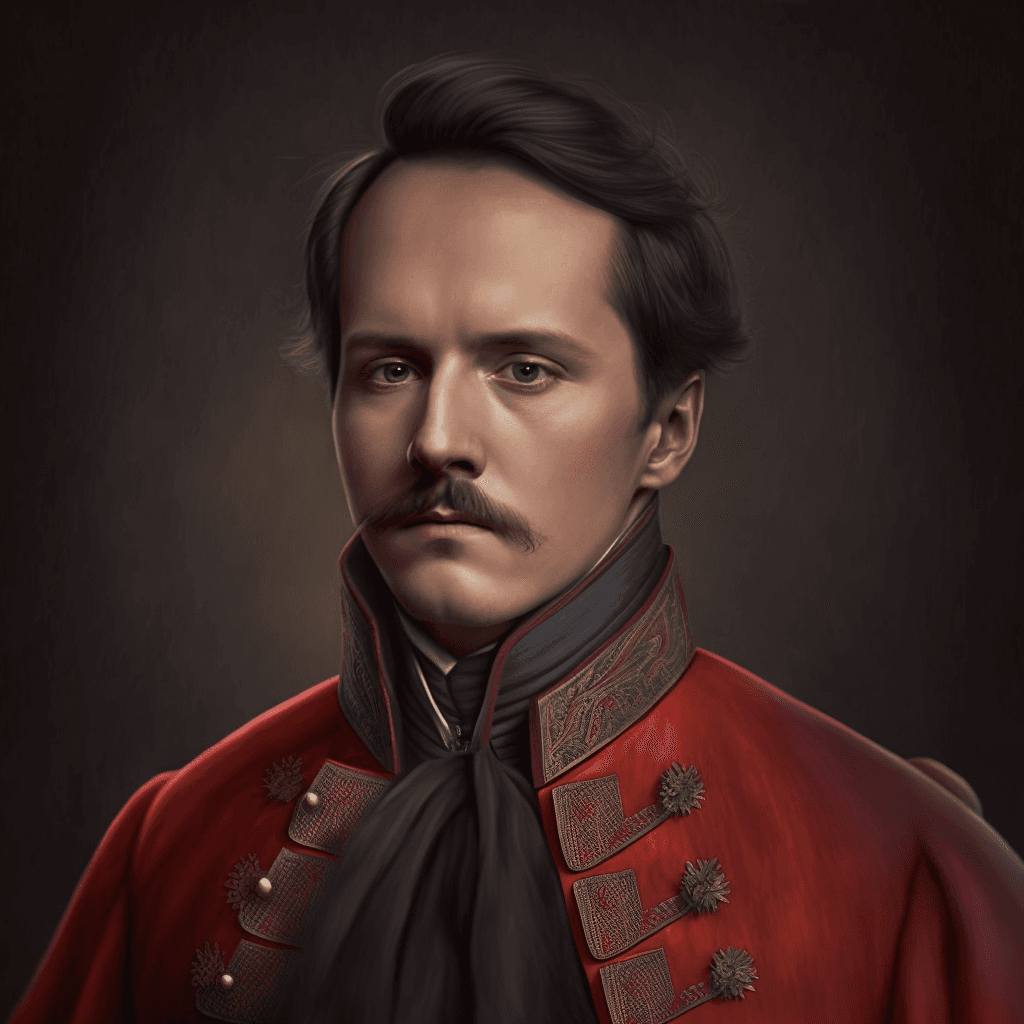
1814–1841
Poet • Novelist • Romantic Writer
This is a read-only educational profile. Chat, Council Mode, and AI features are not available for historical figures.
Mikhail Yuryevich Lermontov was born in 1814 in Moscow to an army officer's family. Raised by his grandmother after his mother's early death, he studied at Moscow University and the School of Guards Sub-Lieutenants in St. Petersburg. Byron's influence and aristocratic restlessness marked his early verse.
Lermontov burst into national fame in 1837 when his poem 'Death of the Poet' condemned court society after Alexander Pushkin's fatal duel. Exiled to the Caucasus for the poem's insinuations, he absorbed frontier landscapes into works such as 'The Demon' and the novel A Hero of Our Time (1840)—the first psychological novel in Russian and a portrait of cynical officer Pechorin.
A second duel in Pyatigorsk ended his life in July 1841. Though he wrote intensely for little more than a decade, Lermontov's poetry captured Romantic melancholy and rebellion, while his prose anticipated the Russian realist tradition's moral probing.
Key moments across this figure's life and legacy
1814
Lermontov lost his mother young and was raised largely by his wealthy grandmother, Elizaveta Arsenyeva.
1837
His poem mourning Pushkin led to arrest and exile to the Caucasus, where he served with the dragoons.
1840
The novel appeared in print, drawing praise and criticism for its cynical hero and fragmented structure.
1841
Lermontov was killed in a duel with fellow officer Nikolai Martynov near Pyatigorsk, aged twenty-six.
Landmarks that define this figure's contribution to history
The 1840 novel, structured as linked stories about Pechorin, pioneered unreliable narration and social critique in Russian fiction.
His Romantic narrative poem of a fallen spirit longing for human love became one of Russia's most quoted lyrical works.
Exile inspired vivid depictions of mountain warfare and landscape in poems that expanded Russian literary geography.
His 1837 elegy on Pushkin's death attacked aristocratic complicity and made Lermontov the voice of literary protest.
How this figure shaped the world we inherit
Lermontov bridged Pushkin's classical clarity and later nineteenth-century realism, giving Russian literature its archetype of the superfluous, disillusioned hero. His Caucasus writings also shaped Russian perceptions of the empire's southern frontier.
Explore more profiles from the same era or field
Curated educational resources for further study
Discover historical art and educational content on our media channels