Pioneered Russian Realist Satire
Introduced a distinctive blend of grotesque humor and social criticism that shaped Dostoevsky, Chekhov, and generations of Russian writers.
Discover
Explore influential historical figures from science, philosophy, leadership, art, and culture.
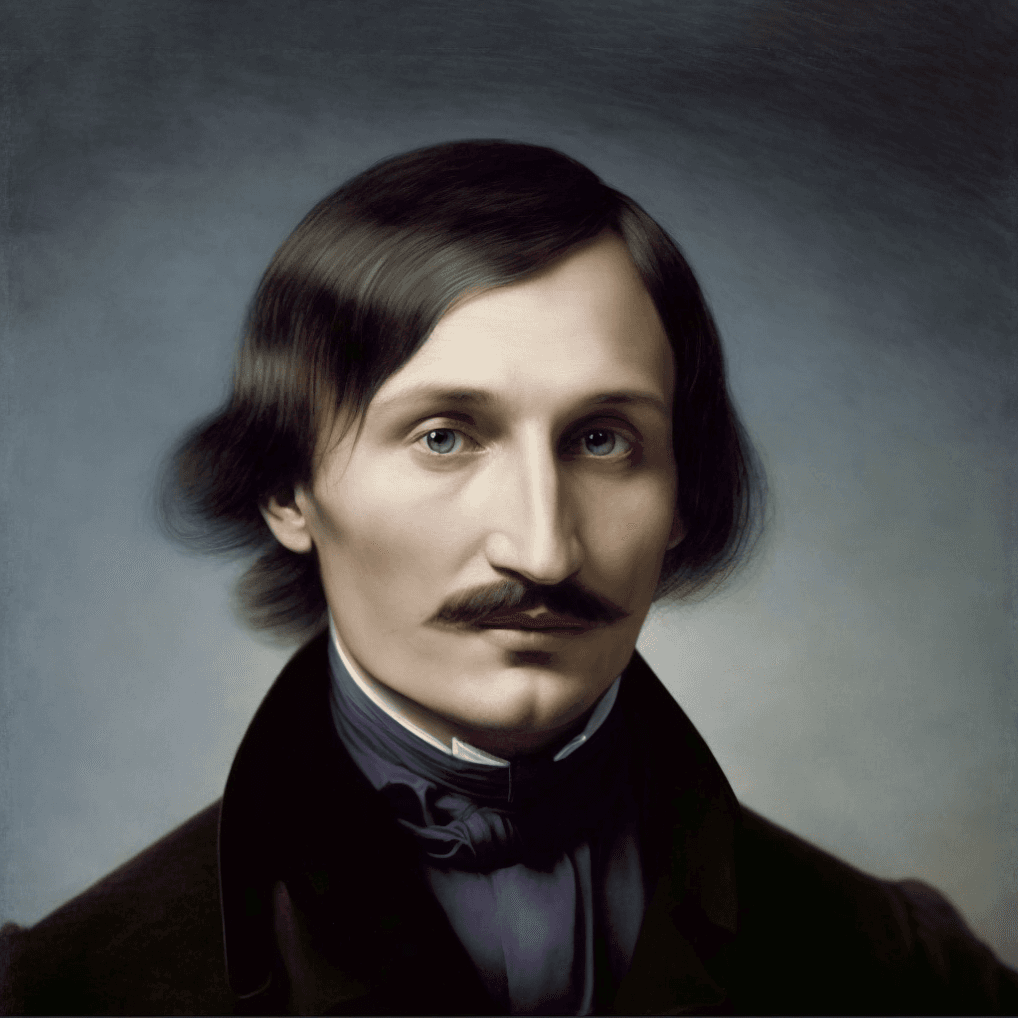
1809–1852
Novelist • Playwright • Satirist
This is a read-only educational profile. Chat, Council Mode, and AI features are not available for historical figures.
Born in 1809 in Sorochyntsi, in what is now Ukraine, Nikolai Gogol grew up amid the folk tales and provincial customs that would later animate his fiction. After moving to St. Petersburg, he struggled to find his literary voice until the success of *Evenings on a Farm Near Dikanka* established him as a writer who could make the supernatural feel intimately Russian.
His masterpieces—*The Overcoat*, *Dead Souls*, and the play *The Government Inspector*—exposed corruption, vanity, and spiritual emptiness with comic precision and moral urgency. Gogol's characters, from the hapless clerk Akaky Akakievich to the con man Chichikov, became archetypes of a society caught between tradition and modernity.
In his final years, Gogol fell under the influence of a strict spiritual adviser and burned the second part of *Dead Souls*, an act that shocked the literary world. He died in Moscow in 1852 after a severe fast, leaving Russian literature permanently marked by his fusion of realism, fantasy, and prophetic social critique.
Key moments across this figure's life and legacy
1809
Grew up in a Ukrainian gentry family, absorbing folk stories and rural customs that later shaped his early fiction.
1831
Moved to the imperial capital and published *Evenings on a Farm Near Dikanka*, launching his career with tales of witches and Cossack adventure.
1836
His satirical play exposing provincial graft premiered under Tsar Nicholas I, who reportedly said everyone got the blame except himself.
1842
Released the first part of his novel about Chichikov's scheme to purchase deceased serfs, cementing his reputation as Russia's sharpest social critic.
1852
Died after destroying manuscripts and undergoing a punishing fast, leaving Russian literature mourning the loss of his unfinished masterwork.
Landmarks that define this figure's contribution to history
Introduced a distinctive blend of grotesque humor and social criticism that shaped Dostoevsky, Chekhov, and generations of Russian writers.
Created an unfinished epic novel whose portrait of a nation buying and selling 'dead souls' became one of literature's sharpest indictments of moral decay.
Works like *The Overcoat* and *The Nose* demonstrated how brief fiction could carry philosophical weight and transform everyday misery into universal symbol.
Drew on Cossack legends and village life to enrich imperial Russian literature with regional voices rarely heard in the capital.
How this figure shaped the world we inherit
Gogol redefined what Russian prose could do, proving that laughter and horror could expose a society's deepest faults. His characters and phrases entered everyday speech, and his influence runs through realism, modernism, and the dark comedy of twentieth-century fiction worldwide.
Explore more profiles from the same era or field
Curated educational resources for further study
Discover historical art and educational content on our media channels