Revolutionized Portrait Painting
Moved beyond flattering likeness to reveal character through light, gesture, and psychological intensity in works like *The Syndics*.
Discover
Explore influential historical figures from science, philosophy, leadership, art, and culture.
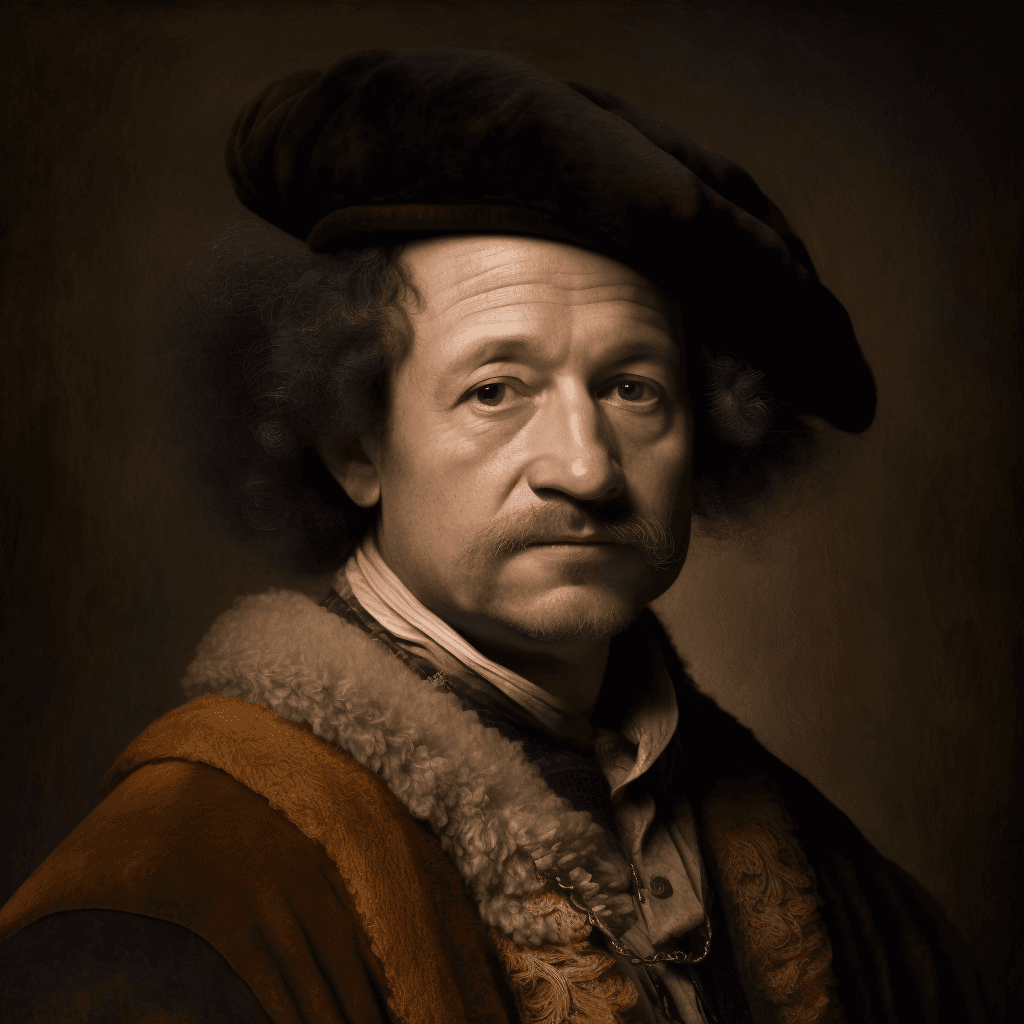
1606–1669
Painter • Master of Light and Shadow
This is a read-only educational profile. Chat, Council Mode, and AI features are not available for historical figures.
Born in Leiden in 1606, Rembrandt Harmenszoon van Rijn trained locally before moving to Amsterdam, where his skill at capturing light, texture, and inner life made him the city's most successful portraitist by his late twenties. Works like *The Anatomy Lesson of Dr. Nicolaes Tulp* announced an artist who could transform group commissions into narratives of discovery and mortality.
Rembrandt's personal life mixed triumph with tragedy: he married Saskia van Uylenburgh, lost several children in infancy, and faced financial ruin despite prolific output. His later style grew bolder and more introspective—thick impasto, shadowy backgrounds, and unflinching self-portraits that documented aging across decades.
Masterpieces such as *The Night Watch*, *The Jewish Bride*, and *The Return of the Prodigal Son* elevated Dutch genre painting to philosophical depth. When he died in 1669, buried in a rented grave, his reputation had waned locally; within centuries he was recognized as one of Western art's supreme interpreters of the human condition.
Key moments across this figure's life and legacy
1606
Studied at Leiden University briefly before apprenticing with local painters and opening his own studio.
1631
Established a thriving workshop in the commercial capital, attracting wealthy patrons and students.
1642
Delivered his monumental group portrait of the Amsterdam civic guard, later trimmed on all sides when moved to city hall.
1656
Auctioned possessions including art collection and house, yet continued painting with undiminished ambition.
1669
Buried in the Westerkerk; posthumous fame grew until he became synonymous with Dutch Golden Age painting.
Landmarks that define this figure's contribution to history
Moved beyond flattering likeness to reveal character through light, gesture, and psychological intensity in works like *The Syndics*.
Produced hundreds of etchings whose technical innovation and narrative range rivaled his paintings in influence.
Transformed a civic militia commission into a dynamic baroque tableau of movement, shadow, and collective identity.
Created an unparalleled series of self-portraits spanning youth to old age, treating his own face as a laboratory for artistic and emotional experiment.
How this figure shaped the world we inherit
Rembrandt's treatment of light and inner life set standards for realism and emotional depth that influenced Velázquez, Delacroix, and modern photography. His etchings democratized fine art through reproducible prints, and his late works remain central to how museums and scholars understand the birth of modern subjectivity in visual form.
Explore more profiles from the same era or field
Curated educational resources for further study
Discover historical art and educational content on our media channels