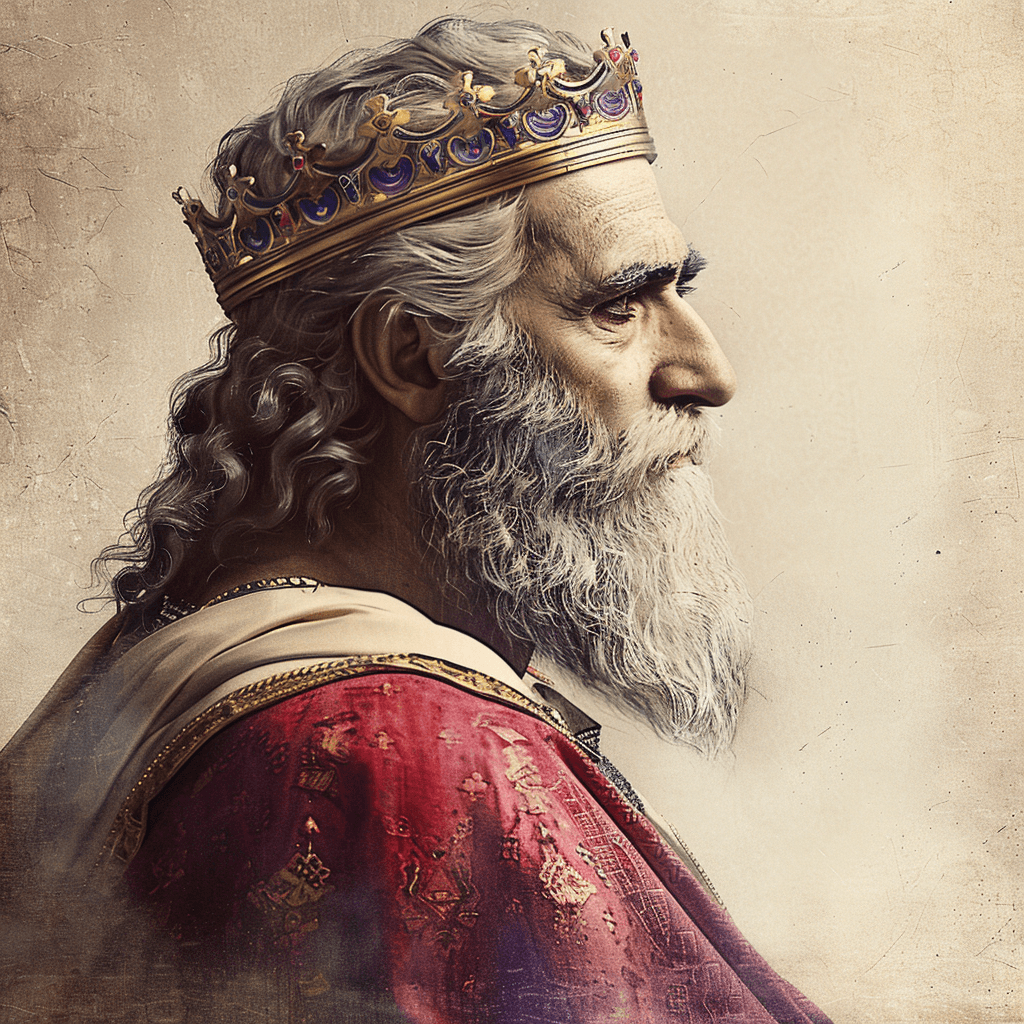
Defended Marriage Under Persecution
Tradition credits Valentine with conducting Christian marriages when imperial policy discouraged unions that reduced military recruitment.
Discover
Explore influential historical figures from science, philosophy, leadership, art, and culture.

c. 226–269
Martyr • Patron of Love
This is a read-only educational profile. Chat, Council Mode, and AI features are not available for historical figures.
Valentine lived during the reign of Claudius II Gothicus, when the Roman Empire faced military pressures and occasionally restricted marriages to keep soldiers available for campaign. Church tradition holds that Valentine secretly performed Christian wedding ceremonies for couples, defying imperial orders and ministering to persecuted believers.
Arrested and imprisoned, Valentine reportedly converted his jailer after restoring sight to the jailer's daughter. Before execution—traditionally dated to February 14, around 269 CE—he is said to have written her a note signed 'from your Valentine,' a phrase that would echo through centuries of correspondence.
Historical evidence for a single Valentine is thin: the Catholic calendar once listed multiple martyrs of that name. Pope Gelasius I established a feast day around 496 CE, and medieval poets—notably Geoffrey Chaucer—linked the saint to courtly love in February. By the nineteenth century, printed valentine cards commercialized the association, transforming a martyr's memory into a global celebration of romantic affection.
Key moments across this figure's life and legacy
c. 226
Traditionally associated with Terni in Umbria, though hagiographic sources disagree on precise origins.
c. 250
Served as priest or bishop, performing marriages and aiding Christians amid imperial hostility.
c. 269
Executed in Rome; later buried along the Via Flaminia, where a basilica bears his name.
496
Pope Gelasius I included Valentine among saints to be venerated, formalizing February 14 in the liturgical calendar.
19th century
Mass-produced cards in Britain and America popularized the feast as a secular holiday of romantic exchange.
Landmarks that define this figure's contribution to history
Tradition credits Valentine with conducting Christian marriages when imperial policy discouraged unions that reduced military recruitment.
Executed for refusing to renounce belief, becoming one of the early church's recognized martyrs in Rome.
Medieval and early modern devotion linked his feast day to affection, betrothal, and epistolary romance.
The legend of a farewell note to his jailer's daughter seeded the custom of signed 'valentine' messages exchanged on his feast day.
How this figure shaped the world we inherit
Saint Valentine's martyrdom became entangled with centuries of poetry, pilgrimage, and commerce, producing one of the world's most widely observed unofficial holidays. Whether viewed as sacred history or cultural myth, his name anchors a global ritual of affection that generates billions in economic activity each February.
Explore more profiles from the same era or field
Curated educational resources for further study
Discover historical art and educational content on our media channels