First European Sea Route to India
Completed the maiden voyage from Lisbon to Calicut (1497–1499), proving direct maritime access to Asian spice markets.
Discover
Explore influential historical figures from science, philosophy, leadership, art, and culture.
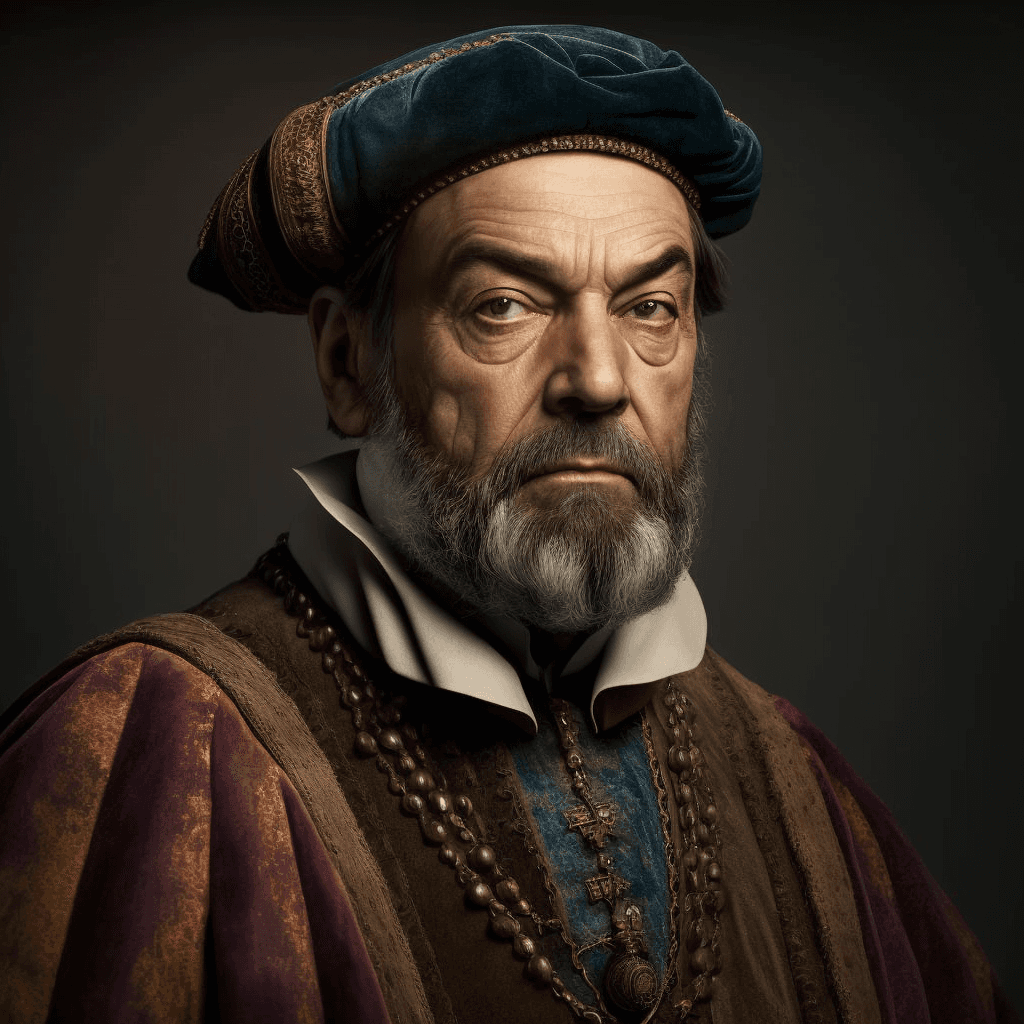
1460–1524
Explorer • Navigator • Sea Route Pioneer
This is a read-only educational profile. Chat, Council Mode, and AI features are not available for historical figures.
Born around 1460 in Sines on Portugal's Alentejo coast, Vasco da Gama came of age as Prince Henry the Navigator's school at Sagres had already pushed Portuguese explorers down the African coast. King Manuel I selected him to complete the sea route to India that Bartolomeu Dias had previewed by rounding the Cape in 1488.
Da Gama sailed from Lisbon in July 1497 with four vessels, navigating unknown Atlantic and Indian Ocean waters. After rounding Africa, he crossed to Calicut on India's Malabar Coast in May 1498, trading poorly with local merchants but proving Europe could reach Asia by sea. A second expedition in 1502 used naval force to impose trading terms, bombarding Calicut and establishing Portuguese dominance in the Indian Ocean.
Appointed viceroy of India in 1524, da Gama died in Cochin that same year. His voyages linked oceans previously connected only overland via Silk Road intermediaries, shifting the center of profitable trade from Mediterranean and Middle Eastern merchants to Atlantic powers and initiating centuries of European colonialism in Asia.
Key moments across this figure's life and legacy
1460
Raised in a noble family with maritime connections during Portugal's Age of Discovery.
1497
Left Lisbon commanding a fleet of four ships to find a sea route east of Africa.
1498
Reached India's Malabar Coast, completing the first direct ocean voyage from Europe to South Asia.
1502
Returned with a larger fleet, using force against rival traders and local rulers who resisted Portuguese terms.
1524
Died as viceroy in India, having permanently altered Indian Ocean commerce and European imperial ambitions.
Landmarks that define this figure's contribution to history
Completed the maiden voyage from Lisbon to Calicut (1497–1499), proving direct maritime access to Asian spice markets.
His successful return enabled annual fleets that monopolized pepper and other goods for decades.
Led a heavily armed 1502 expedition that enforced Portuguese trading privileges through cannon and blockade.
Appointed in 1524 to consolidate crown authority over trading posts from Goa to the Malabar Coast.
How this figure shaped the world we inherit
Da Gama's voyage ended Venice's near-monopoly on Asian goods reaching Europe and launched the age of maritime empires. The route he pioneered connected continents through colonial trade networks whose economic and cultural consequences—from slavery to syncretic cuisines—still shape the modern world.
Explore more profiles from the same era or field
Curated educational resources for further study
Discover historical art and educational content on our media channels