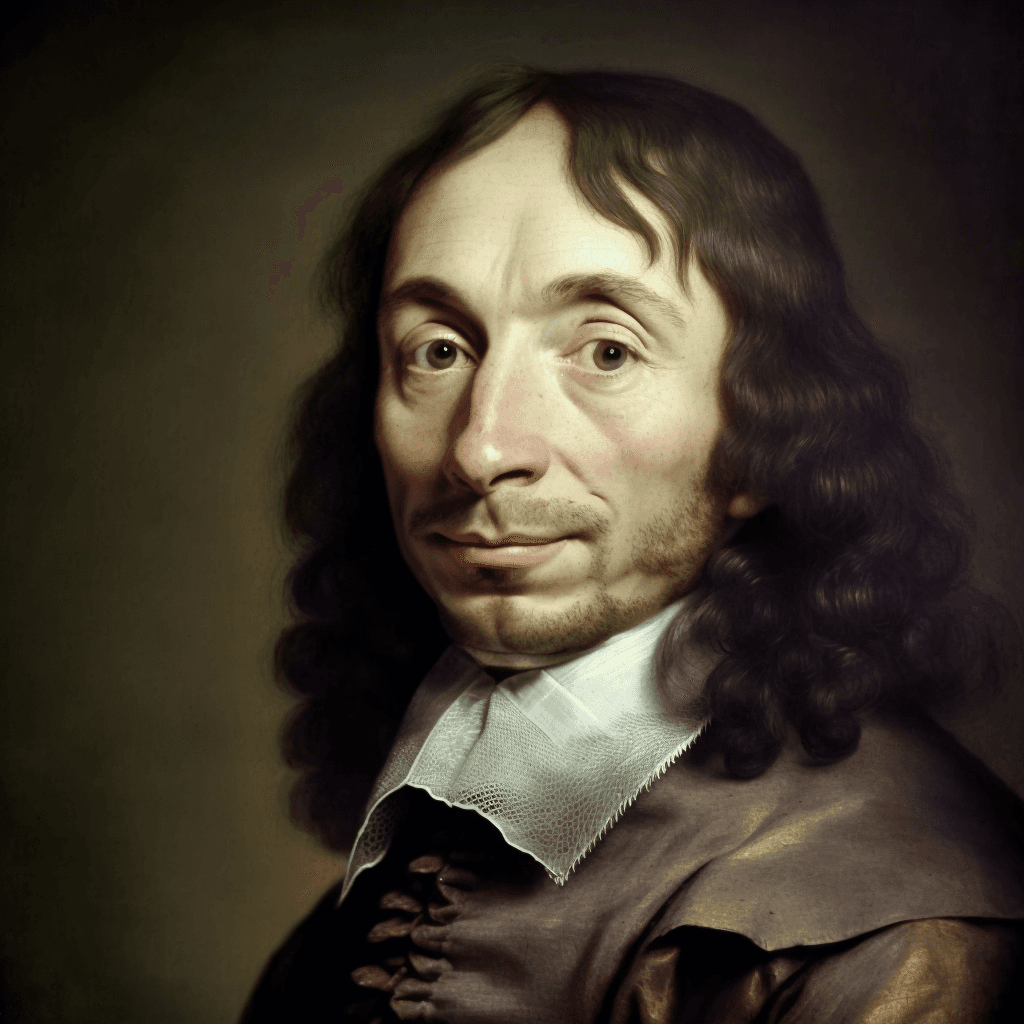
First Law of Planetary Motion
Kepler showed that planets travel in elliptical orbits with the Sun at one focus, overturning centuries of circular models.
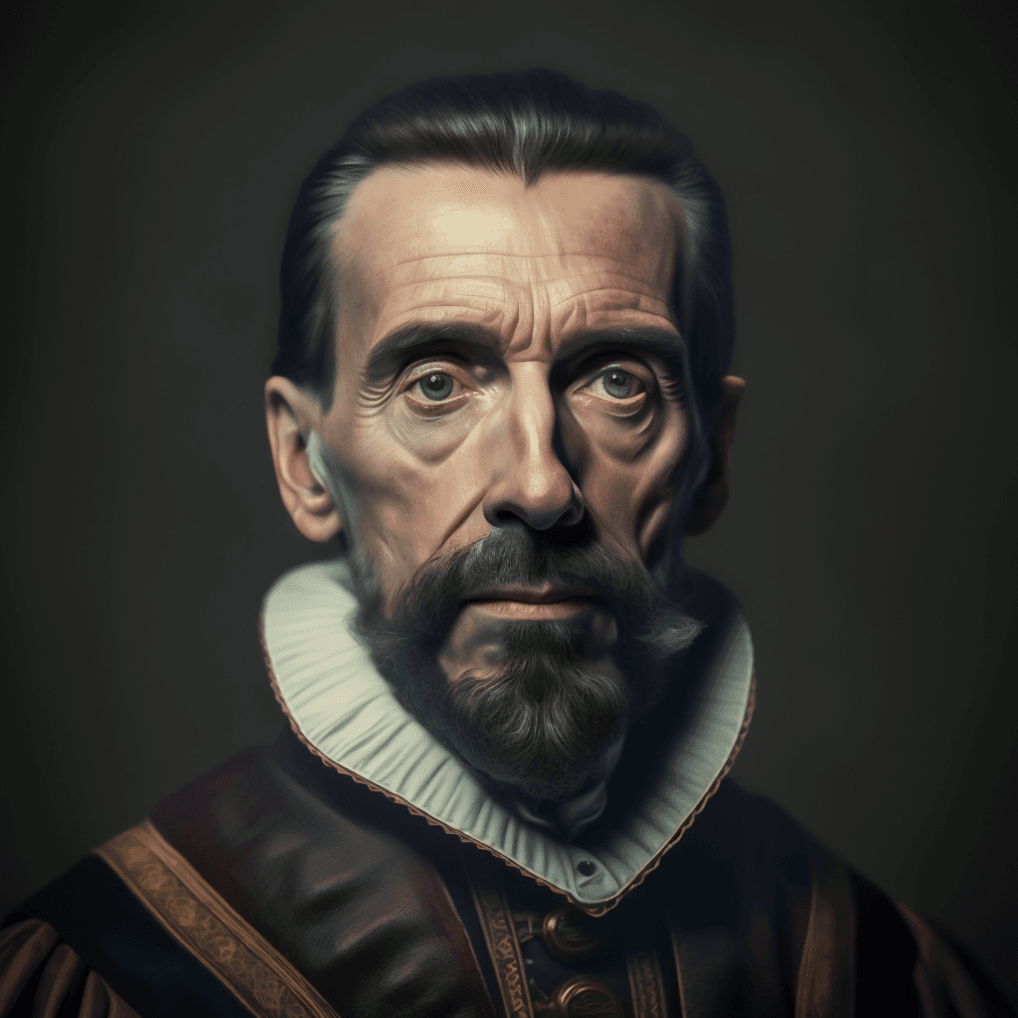
1571–1630
Astronomer • Mathematician • Laws of Planetary Motion
Johannes Kepler nació en 1571 en Weil der Stadt en el Sacro Imperio Romano Germánico. Criado en una modesta familia luterana, estudió teología y matemáticas en Tübingen, donde se convirtió en un convencido copernicano. La mala salud y las dificultades financieras marcaron gran parte de su vida, sin embargo, persiguió la astronomía con la convicción de que el orden cósmico reflejaba una geometría divina.
Después de trabajar con Tycho Brahe en Praga, Kepler heredó los mejores registros de observación pre-telescópica en Europa. A partir de los datos de Tycho sobre Marte, dedujo que los planetas se mueven en elipses con el Sol en uno de los focos, barren áreas iguales en tiempos iguales y obedecen una relación precisa entre el período orbital y la distancia. Publicadas entre 1609 y 1619, estas leyes dieron forma matemática al heliocentrismo y prepararon el terreno para la mecánica newtoniana.
Kepler también calculó tablas mejoradas para la navegación y la astrología, estudió óptica y defendió a su madre durante un juicio por brujería. Su combinación de cálculo riguroso, especulación metafísica y moderación empírica lo convirtió en una figura central de la Revolución Científica.
Momentos clave en la vida y el legado de esta figura
1571
Kepler was born prematurely in Weil der Stadt; childhood smallpox left him with weakened vision but did not stop his scholarly rise.
1600
He joined the imperial mathematician in Prague and gained access to meticulous naked-eye observations of Mars and other bodies.
1609
He published his first two laws of planetary motion after years of laborious calculation to fit Mars to an ellipse.
1619
Kepler announced the third planetary law and explored musical and geometric harmonies he believed governed the cosmos.
1630
He died while traveling to collect overdue pay from the imperial court, leaving manuscripts that influenced Newton and later astronomers.
Hitos que definen la contribución de esta figura a la historia
Kepler showed that planets travel in elliptical orbits with the Sun at one focus, overturning centuries of circular models.
He demonstrated that a line from a planet to the Sun sweeps equal areas in equal intervals of time, describing changing orbital speed.
He established that the square of a planet's orbital period is proportional to the cube of its mean distance from the Sun.
His astronomical tables, completed in 1627, offered far more accurate planetary predictions than earlier ephemerides.
Detalles notables sobre esta figura
Cómo esta figura moldeó el mundo que heredamos
Las leyes de Kepler transformaron la astronomía de una geometría descriptiva a una descripción del movimiento lista para la física. Al demostrar que los datos empíricos podían anular la autoridad antigua, ayudó a establecer el método de la ciencia moderna y proporcionó a Newton el marco planetario que luego se unificó bajo la gravitación universal.
Influencia duradera a través de generaciones
Kepler's laws transformed astronomy from descriptive geometry into a physics-ready description of motion. By proving that empirical data could overrule ancient authority, he helped establish the method of modern science and supplied Newton with the planetary framework later unified under universal gravitation. Death in Regensburg (1630) remains a defining moment in Johannes Kepler's enduring reputation.
Más perfiles de la misma época o campo
Recursos educativos seleccionados para profundizar
Inicia una conversación privada con Historical Collection AI.