Preservation of the Union
Held the United States together through four years of civil war.
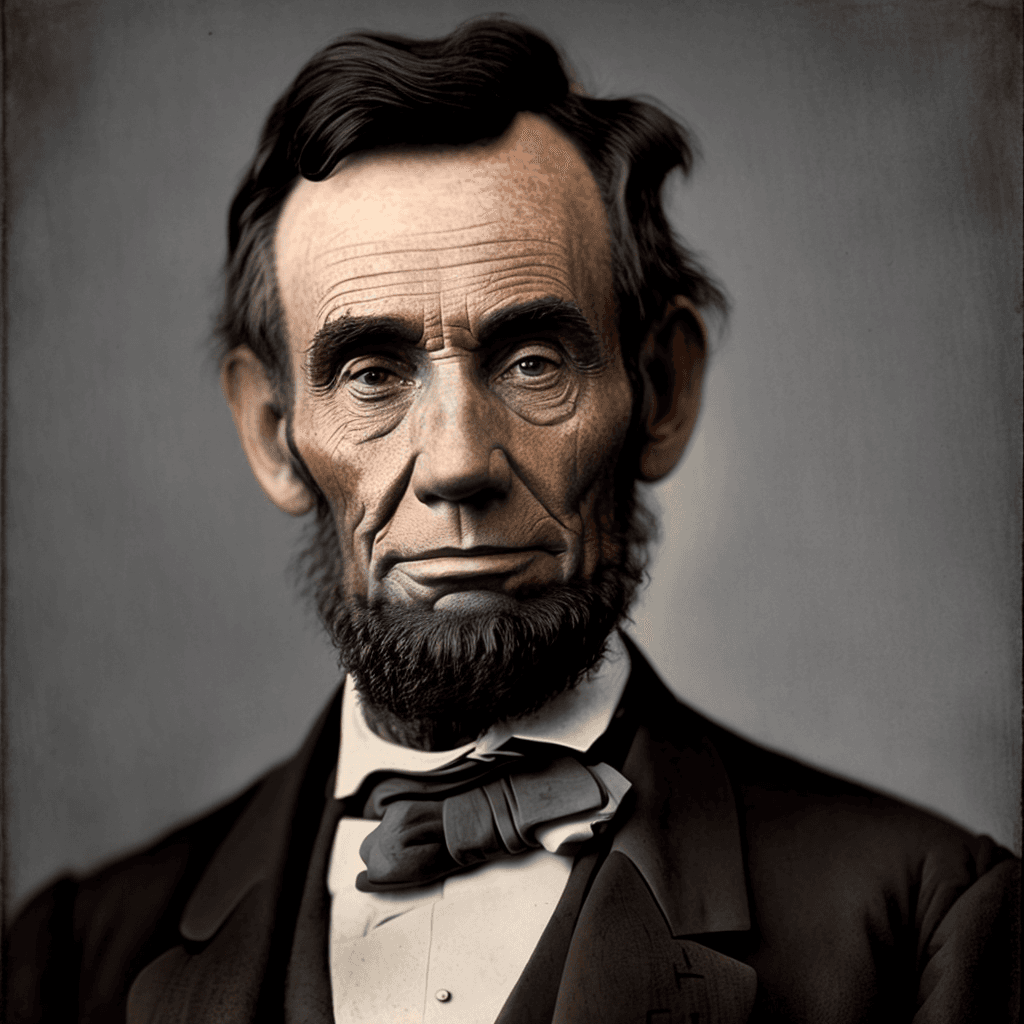
1809–1865
Leader • Orator • Emancipator
Abraham Lincoln nació en una cabaña de troncos en Kentucky y creció en la frontera, recibiendo poca educación formal pero desarrollando una mente aguda a través de la lectura y la autoeducación. Trabajó como cortador de troncos, empleado de tienda, agrimensor y abogado antes de entrar en la política de Illinois. Sus debates con Stephen Douglas sobre la expansión de la esclavitud atrajeron la atención nacional y, en 1860, la presidencia—en un momento en que la Unión se estaba fracturando.
El liderazgo de Lincoln durante la Guerra Civil puso a prueba cada dimensión del gobierno democrático: levantar ejércitos, equilibrar facciones políticas y redefinir el propósito de la guerra. La Proclamación de Emancipación de 1863 declaró la libertad para las personas esclavizadas en territorio controlado por los confederados, transformando el conflicto en una lucha por la libertad humana. Su Discurso de Gettysburg reconfiguró a la nación como dedicada a la igualdad y el autogobierno, dando a la guerra un horizonte moral más allá de la victoria militar.
Reelegido en 1864, Lincoln presionó por la Decimotercera Enmienda que abolía la esclavitud a nivel nacional. Asesinado por John Wilkes Booth en abril de 1865, días después de la rendición confederada, se convirtió en mártir y símbolo de unión, libertad y perseverancia democrática. Su ascenso de la pobreza fronteriza a la presidencia transformadora encarna la promesa americana—y su trabajo inconcluso.
Momentos clave en la vida y el legado de esta figura
1809
Raised in frontier poverty in the American backcountry.
1830s–1840s
Practiced law in Illinois and served in the state legislature and U.S. House.
1860
Won the presidency as Southern states began seceding from the Union.
1863
Issued the Emancipation Proclamation and delivered the Gettysburg Address.
1865
Shot at Ford's Theatre after Confederate surrender; died the next morning.
Hitos que definen la contribución de esta figura a la historia
Held the United States together through four years of civil war.
Declared freedom for enslaved people in rebel states, redefining war aims.
Articulated democracy's stakes in fewer than 300 enduring words.
Championed constitutional abolition of slavery before his death.
Detalles notables sobre esta figura
Cómo esta figura moldeó el mundo que heredamos
Lincoln redefinió el experimento americano en su punto de ruptura. Al vincular la supervivencia de la Unión con la emancipación, ayudó a poner fin a la esclavitud en los Estados Unidos e inspiró movimientos posteriores por los derechos civiles en todo el mundo. Su retórica—sencilla, precisa y elevada—estableció un estándar para el liderazgo democrático bajo presión. Los historiadores continúan debatiendo sus decisiones, pero su legado como el presidente emancipador sigue siendo central en cómo las democracias modernas enfrentan la injusticia y la división.
Influencia duradera a través de generaciones
Lincoln redefined the American experiment at its breaking point. By tying Union survival to emancipation, he helped end chattel slavery in the United States and inspired later movements for civil rights worldwide. His rhetoric—plain, precise, and elevated—set a standard for democratic leadership under pressure. Historians continue to debate his decisions, but his legacy as the emancipator-president remains central to how modern democracies confront injustice and division. Assassination (1865) remains a defining moment in Abraham Lincoln's enduring reputation.
Más perfiles de la misma época o campo
Recursos educativos seleccionados para profundizar
Inicia una conversación privada con Historical Collection AI.