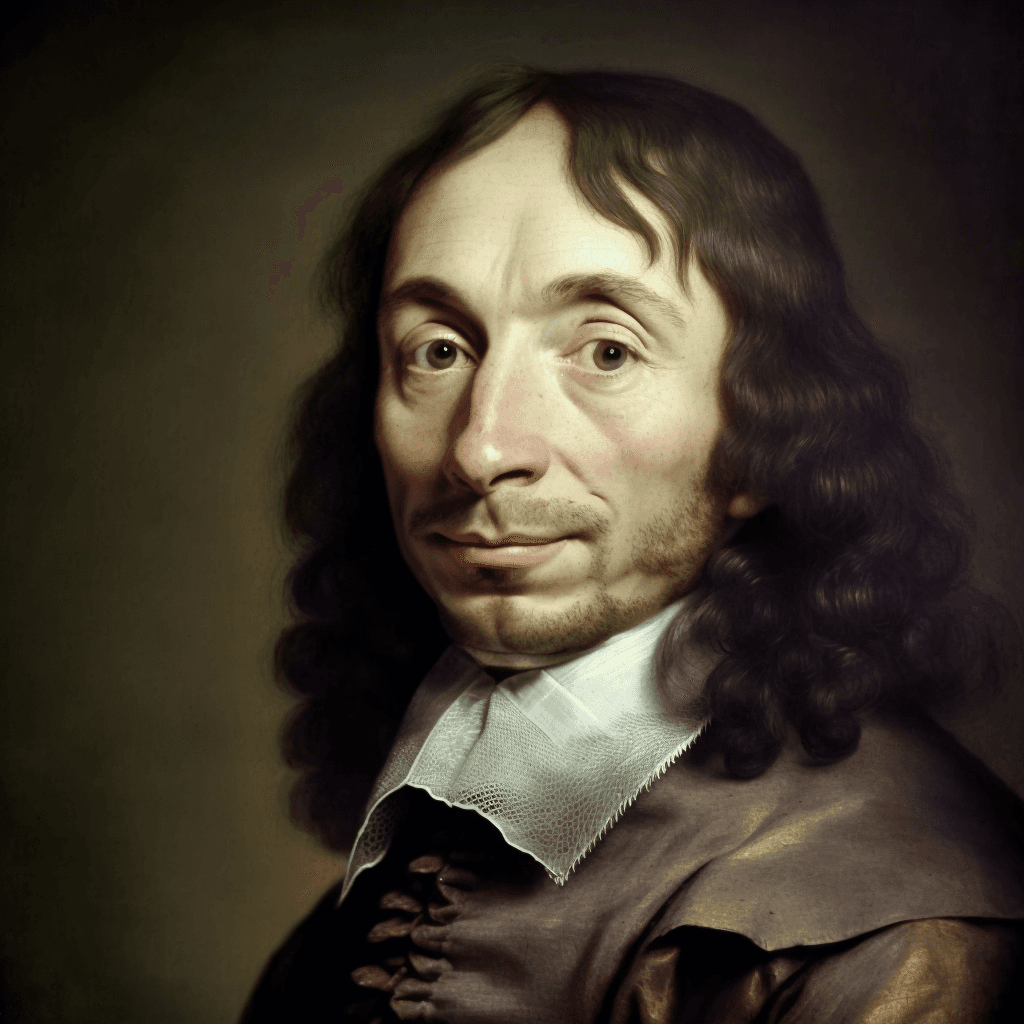
Disproof of Spontaneous Generation
Pasteur's swan-neck flask experiments showed that microbes enter from the air, settling a centuries-old scientific dispute.
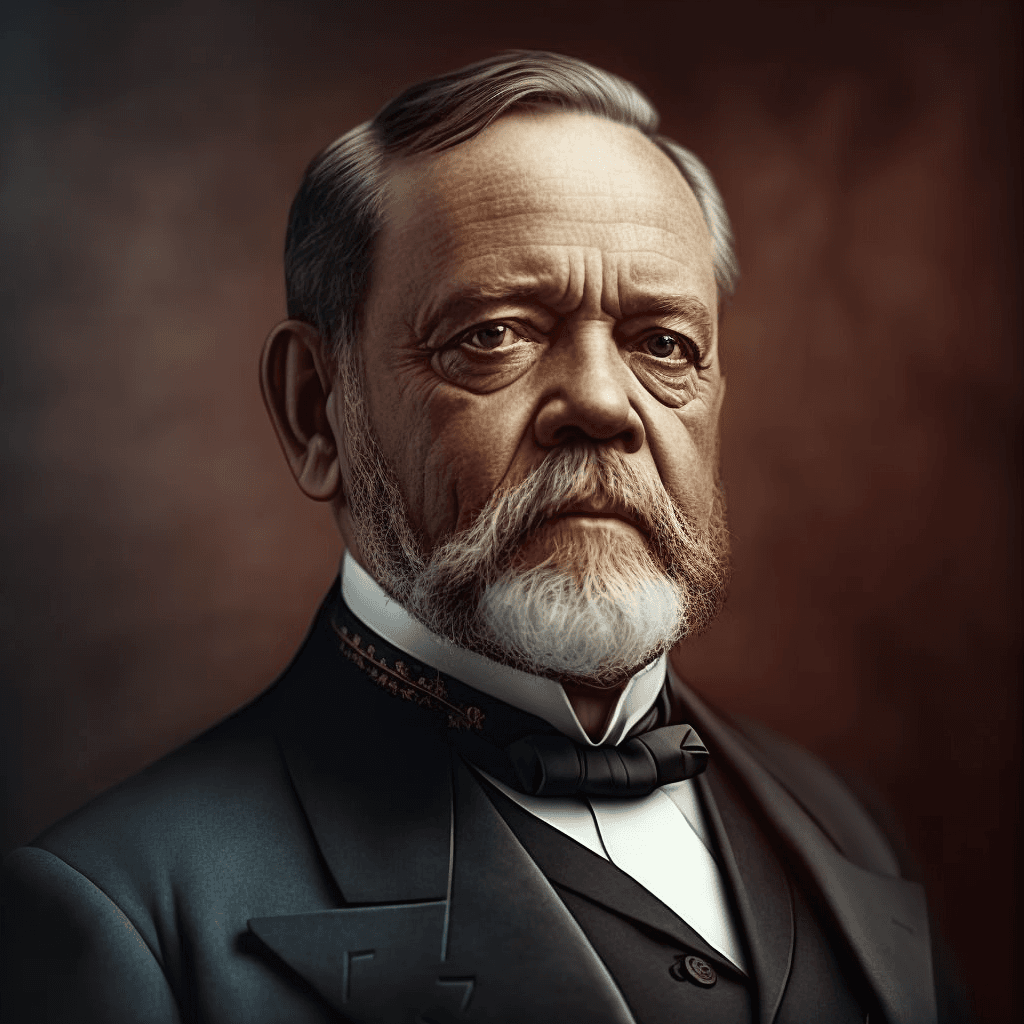
1822–1895
Microbiologist • Immunology Pioneer
Louis Pasteur nació en 1822 en Dole, Francia, hijo de un curtidor. Formado como químico, comenzó estudiando por qué el vino y la cerveza se agrietan. Sus experimentos demostraron que microorganismos específicos—no la generación espontánea—impulsan la fermentación, un hallazgo con implicaciones inmediatas para la industria francesa y el método científico.
Pasteur extendió la teoría germinal a las enfermedades humanas y animales. Atenuó patógenos para crear vacunas, tratando famosamente al joven Joseph Meister por rabia en 1885 después de que el niño fuera atacado por un perro. Su trabajo sobre el ántrax y el cólera aviar persuadió a los escépticos de que los microbios específicos podían ser derrotados a través de la higiene, el tratamiento térmico y la inmunización. El proceso ahora llamado pasteurización—calentamiento suave para matar organismos dañinos—nació de su preocupación por preservar los alimentos sin destruir el sabor.
La parálisis parcial de un derrame cerebral en 1868 no detuvo su laboratorio. Pasteur dirigió el Institut Pasteur en París hasta su muerte en 1895, formando investigadores que difundieron la teoría germinal en todo el mundo. Sus rigurosos experimentos y demostraciones públicas hicieron de la microbiología un pilar de la salud pública moderna.
Momentos clave en la vida y el legado de esta figura
1822
Pasteur grew up in eastern France and earned degrees in chemistry and physics at the École Normale Supérieure.
1857
Research on lactic fermentation in beer and wine established microbes as the agents of chemical change.
1865
Commissioned to save France's silk industry, he identified microbial causes of pébrine and flacherie in silkworms.
1885
Pasteur successfully treated a bitten boy with a series of attenuated spinal-cord preparations, drawing global attention.
1895
He died at the Institut Pasteur, which continues as a leading center for infectious disease research.
Hitos que definen la contribución de esta figura a la historia
Pasteur's swan-neck flask experiments showed that microbes enter from the air, settling a centuries-old scientific dispute.
He linked specific microorganisms to fermentation, silkworm disease, anthrax, and rabies, redirecting medicine toward targeted prevention.
His 1885 treatment of Joseph Meister marked the first successful post-exposure rabies vaccination in a human patient.
Controlled heating to eliminate pathogens in wine, milk, and other foods became a standard safety technique bearing his name.
Detalles notables sobre esta figura
Cómo esta figura moldeó el mundo que heredamos
Las demostraciones de Pasteur de que organismos invisibles causan enfermedad y deterioro sustentaron la higiene moderna, la vacunación y la seguridad alimentaria. Hospitales, lecherías y laboratorios de todo el mundo adoptaron los métodos que él pionero, salvando innumerables vidas y transformando la biología en una ciencia experimental.
Influencia duradera a través de generaciones
Pasteur's demonstrations that invisible organisms cause disease and spoilage underpinned modern hygiene, vaccination, and food safety. Hospitals, dairies, and laboratories worldwide adopted methods he pioneered, saving countless lives and reshaping biology into an experimental science. Death in Paris (1895) remains a defining moment in Louis Pasteur's enduring reputation.
Más perfiles de la misma época o campo
Recursos educativos seleccionados para profundizar
Inicia una conversación privada con Historical Collection AI.