Humanized the Modern Monarchy
Introduced warmth, accessibility, and emotional candor to a institution long defined by formality and reserve.
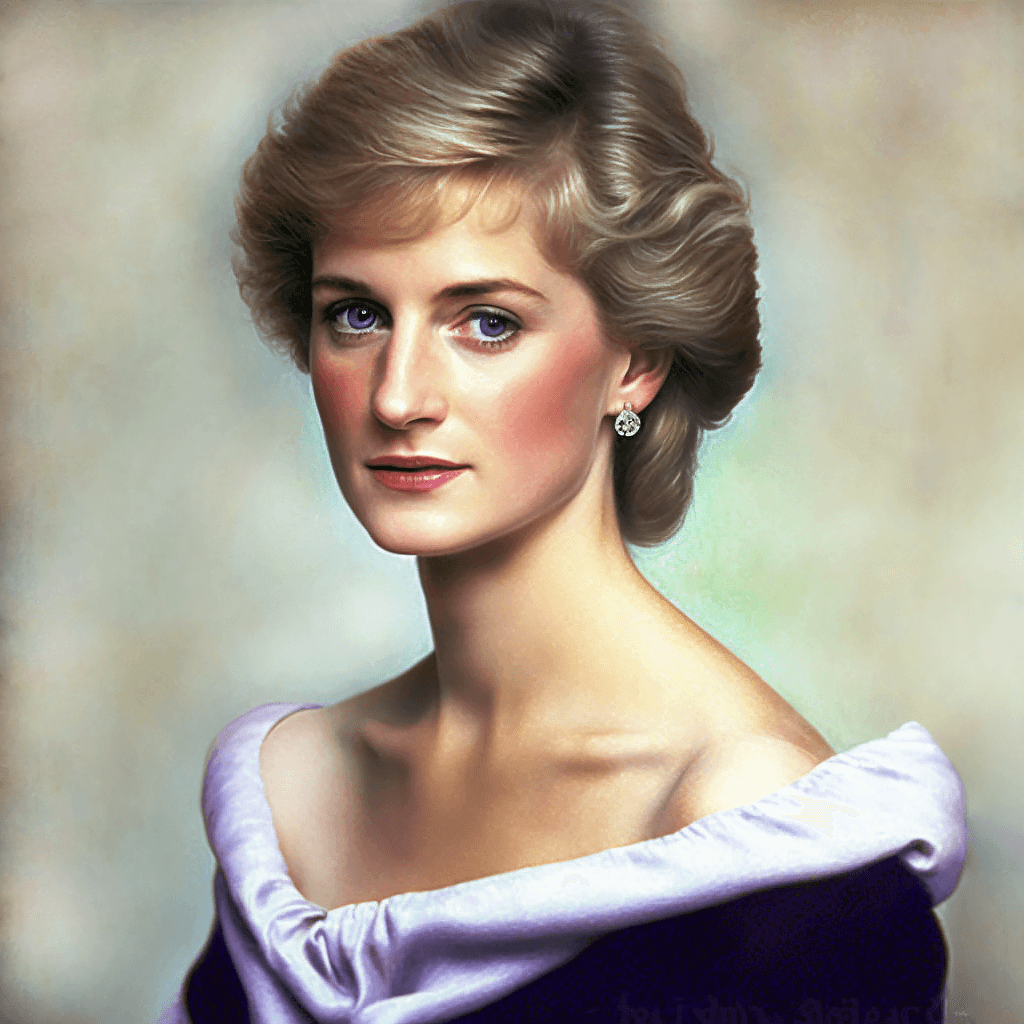
1961–1997
Princess • Humanitarian • Global Icon
Lady Diana Spencer nació en 1961 en una familia aristocrática inglesa y se convirtió en Diana, Princesa de Gales, al casarse con el Príncipe Carlos en 1981 ante una audiencia televisiva global estimada en 750 millones. Su papel inicial siguió la convención real, pero rápidamente se destacó a través del contacto informal con el público y su disposición a hablar abiertamente sobre luchas personales.
Diana utilizó su visibilidad para desafiar el estigma en torno al VIH/SIDA, famosa por estrechar la mano de pacientes en el Hospital Middlesex de Londres sin guantes en 1987. Defendió refugios para personas sin hogar, tratamiento para la lepra y—más prominentemente—la campaña para prohibir las minas terrestres, caminando a través de campos de minas despejados en Angola en 1997 meses antes de su muerte.
Su separación y divorcio de Carlos en la década de 1990 dominaron los titulares, sin embargo, mantuvo una enorme afecto público. Cuando murió en un accidente automovilístico en París el 31 de agosto de 1997, una inusitada ola de duelo obligó a la familia real a adaptar su comunicación y distancia emocional, alterando permanentemente la forma en que la monarquía se relaciona con el público británico.
Momentos clave en la vida y el legado de esta figura
1961
Raised on the Queen's estate, attending boarding school before working as a nursery assistant and kindergarten teacher.
1981
St. Paul's Cathedral wedding broadcast worldwide, making Diana an instant global celebrity and future queen consort in waiting.
1987
Shook hands with HIV-positive patients at Middlesex Hospital, challenging myths that the disease spread through casual contact.
1996
Ended marriage to Charles while retaining the title Princess of Wales and continuing independent charitable work.
1997
Killed in a car crash in the Pont de l'Alma tunnel; her funeral drew an estimated 2.5 billion television viewers worldwide.
Hitos que definen la contribución de esta figura a la historia
Introduced warmth, accessibility, and emotional candor to a institution long defined by formality and reserve.
Her hospital visits and public statements helped shift perceptions of HIV/AIDS at a time when fear and misinformation were widespread.
Her advocacy in Bosnia and Angola drew global attention to unexploded ordnance, contributing to momentum toward the 1997 Ottawa Treaty.
Patron of numerous charities including Centrepoint, using royal platform to spotlight youth homelessness and mental health.
Detalles notables sobre esta figura
Cómo esta figura moldeó el mundo que heredamos
Diana demostró que una figura real podía ejercer autoridad moral fuera de los roles ceremoniales tradicionales. Su trabajo caritativo cambió las actitudes públicas hacia el SIDA y las minas terrestres, mientras que su muerte provocó una crisis de confianza en la monarquía que aceleró su modernización y un compromiso más abierto con la sociedad británica.
Influencia duradera a través de generaciones
Diana demonstrated that a royal figure could wield moral authority outside traditional ceremonial roles. Her charity work changed public attitudes toward AIDS and landmines, while her death prompted a crisis of confidence in the monarchy that accelerated its modernization and more open engagement with British society. Death in Paris (1997) remains a defining moment in Princess Diana's enduring reputation.
Más perfiles de la misma época o campo
Recursos educativos seleccionados para profundizar
Inicia una conversación privada con Historical Collection AI.