Nobel Prize for Quantum Electrodynamics
Shared the 1965 prize for renormalizing QED and inventing diagrammatic techniques that became standard across particle physics.
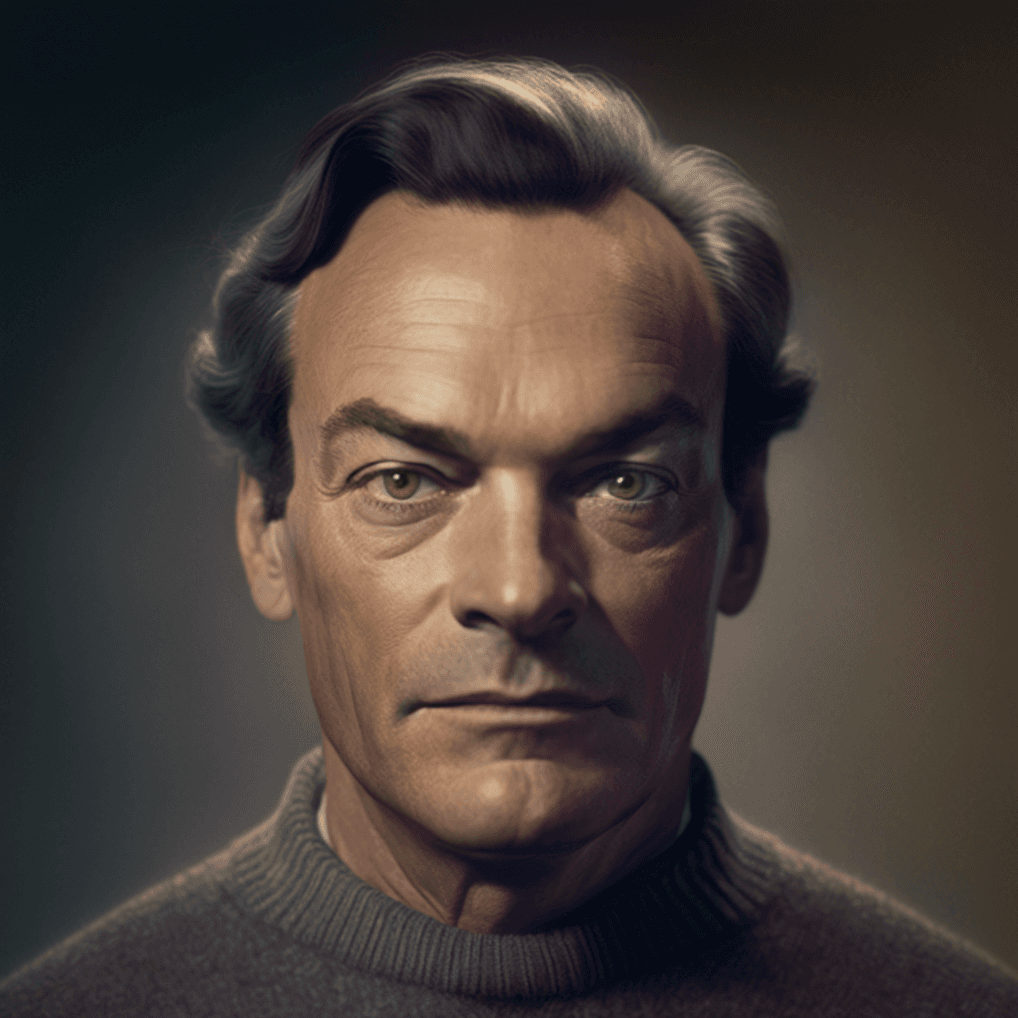
1918–1988
Physicist • Nobel Laureate • Educator
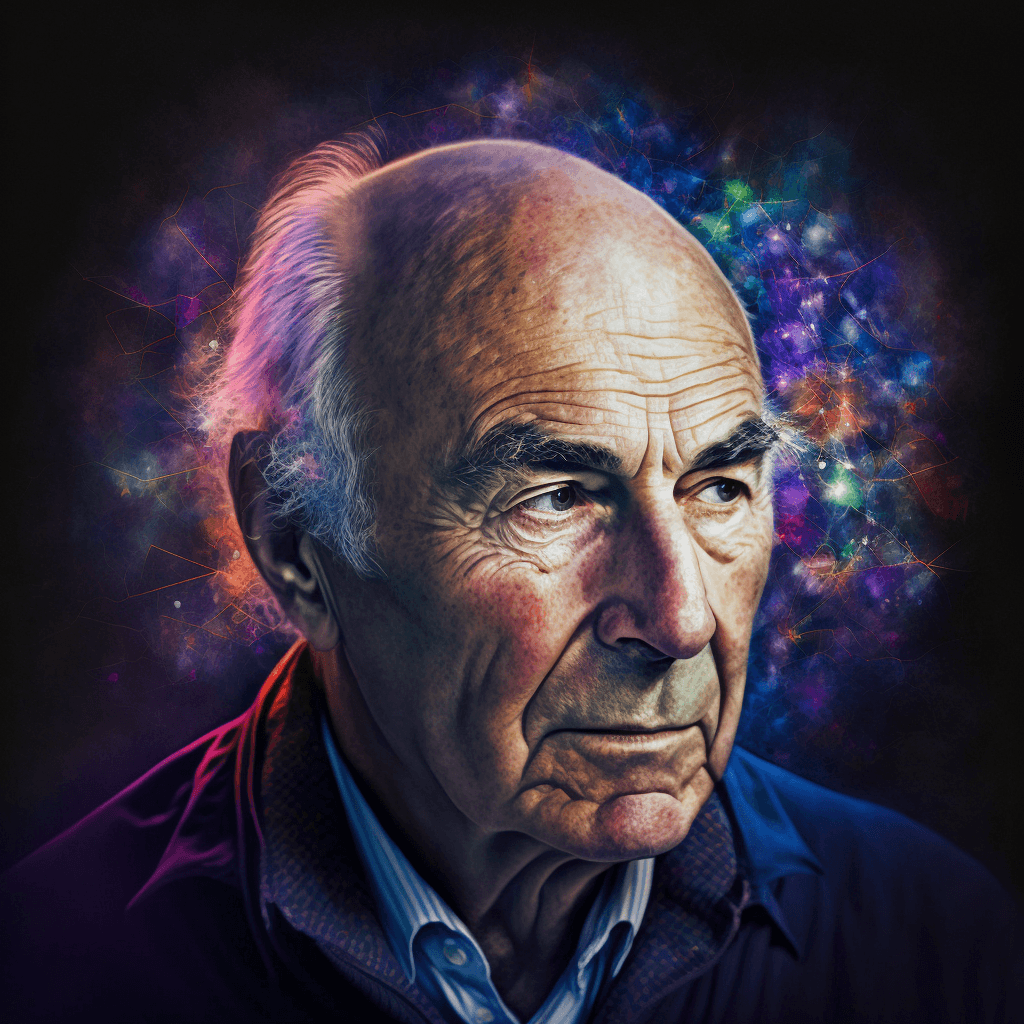
Nacido en 1918 en Queens, Nueva York, Richard Phillips Feynman mostró un temprano genio en matemáticas y en la mecánica, reparando radios y construyendo laboratorios en casa. En Princeton trabajó en el Proyecto Manhattan bajo Hans Bethe, desarrollando métodos de cálculo mientras presenciaba el nacimiento de la era atómica en Los Álamos.
Después de la guerra, Feynman revolucionó la física teórica con su formulación de integrales de trayectoria y diagramas de Feynman, herramientas que simplificaron la electrodinámica cuántica y le valieron el Premio Nobel junto a Julian Schwinger y Sin-Itiro Tomonaga. En Caltech, impartió conferencias de pregrado que luego se publicaron como *Las conferencias de Feynman sobre física*, que siguen siendo ampliamente utilizadas décadas después.
Más allá de las ecuaciones, Feynman se dedicó a abrir cajas fuertes en Los Álamos, tocar el bongó y pintar. Su escepticismo directo brilló durante la investigación del Challenger de 1986, cuando demostró la falla del O-ring en agua helada en televisión. Murió en 1988, recordado como un físico que insistía en que si no puedes explicar algo de manera simple, aún no lo entiendes.
Momentos clave en la vida y el legado de esta figura
1918
Raised by immigrant parents who encouraged curiosity; taught himself advanced mathematics as a teenager.
1942
Recruited to Los Alamos, where he developed calculation shortcuts and became known for safecracking and pranks.
1965
Honored for fundamental work in quantum electrodynamics alongside Schwinger and Tomonaga.
1986
Demonstrated shuttle O-ring vulnerability on television, cutting through bureaucratic obfuscation.
1988
Died in Los Angeles; his memoirs and lectures continue to inspire scientists and general readers alike.
Hitos que definen la contribución de esta figura a la historia
Shared the 1965 prize for renormalizing QED and inventing diagrammatic techniques that became standard across particle physics.
His Caltech course, published in three volumes, remains one of the most influential physics textbooks ever written.
Led a theoretical division group at Los Alamos and developed computational methods critical to bomb design and safety.
Identified O-ring failure in cold weather on the Rogers Commission, demonstrating scientific integrity in public testimony.
Detalles notables sobre esta figura
Cómo esta figura moldeó el mundo que heredamos
Feynman hizo que la física cuántica fuera comprensible para estudiantes y el público sin sacrificar el rigor, remodelando la comunicación científica para la era de la televisión. Sus diagramas y métodos pedagógicos permanecen incrustados en la educación en física, mientras que su insistencia en la investigación honesta influyó en cómo las instituciones investigan fallos tecnológicos.
Influencia duradera a través de generaciones
Feynman made quantum physics intelligible to students and the public without sacrificing rigor, reshaping science communication for the television age. His diagrams and pedagogical methods remain embedded in physics education, while his insistence on honest inquiry influenced how institutions investigate technological failure. Death from Cancer (1988) remains a defining moment in Richard Feynman's enduring reputation.
Más perfiles de la misma época o campo
Recursos educativos seleccionados para profundizar
Inicia una conversación privada con Historical Collection AI.