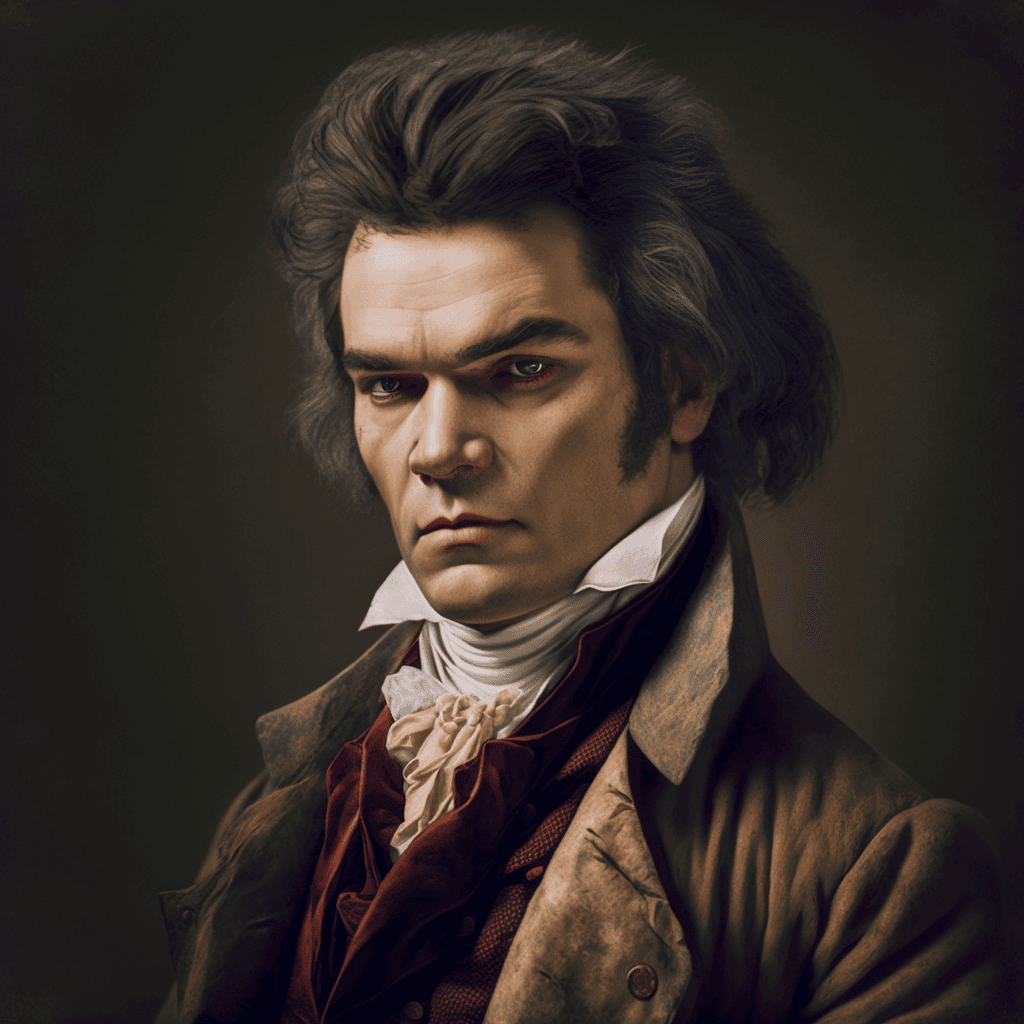
Operatic Masterpieces
Created landmark operas blending dramatic insight with musical innovation.
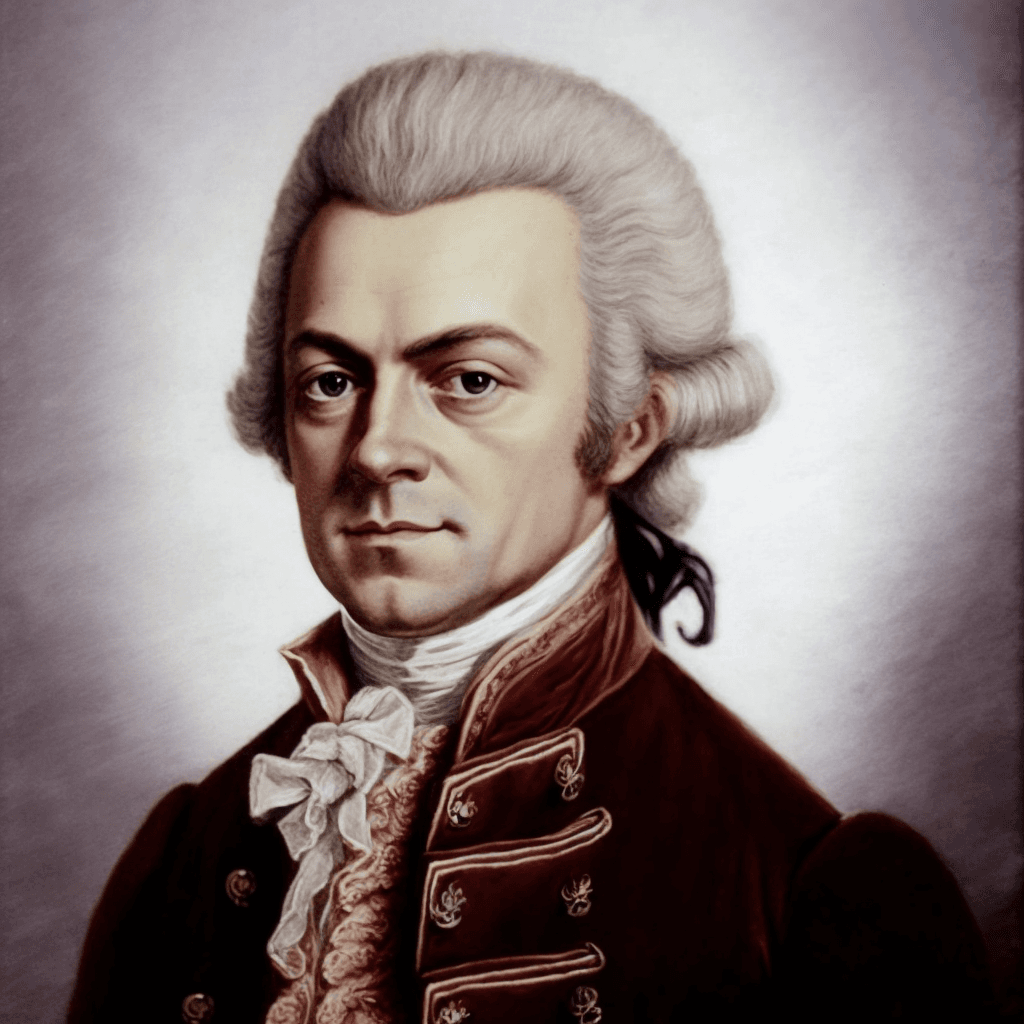
1756-1791
Composer - Virtuoso - Operatic Master
Wolfgang Amadeus Mozart nació en Salzburgo y mostró una extraordinaria habilidad musical en la infancia bajo la instrucción de su padre Leopold. Amplias giras por las cortes europeas lo expusieron a diversos estilos, mecenas y tradiciones de interpretación. Para su adolescencia, ya estaba componiendo sinfonías, conciertos y obras sagradas de inusual sofisticación.
Como adulto en Viena, Mozart buscó mayor independencia del empleo en la corte, componiendo óperas, música de cámara y conciertos para piano que combinaban elegancia formal con intensidad dramática. Obras como Las bodas de Fígaro, Don Giovanni y La flauta mágica expandieron la caracterización operística y la estructura musical. Su escritura equilibra claridad y complejidad de maneras que siguen siendo centrales en la pedagogía clásica.
Mozart murió a los treinta y cinco años, dejando proyectos inconclusos, incluido el Réquiem, sin embargo, su producción superó seiscientas obras catalogadas. Su música influyó en Beethoven y en compositores posteriores a través de períodos estilísticos, mientras que su imagen pública evolucionó de niño prodigio a emblema de brillantez artística. Mozart sigue siendo indispensable para la vida de conciertos, casas de ópera y educación musical en todo el mundo.
Momentos clave en la vida y el legado de esta figura
1756
Born into a musical household in the Prince-Archbishopric of Salzburg.
1762-1766
Performed for courts and absorbed continental musical idioms.
1781
Left Salzburg service to pursue freelance composition and performance.
1786-1791
Produced Figaro, Don Giovanni, Cosi fan tutte, and The Magic Flute.
1791
Died during work on the Requiem, ending a brief but prolific career.
Hitos que definen la contribución de esta figura a la historia
Created landmark operas blending dramatic insight with musical innovation.
Elevated the concerto form through expressive dialogue between soloist and orchestra.
Produced enduring works that define Classical style and repertoire.
Composed major sacred, theatrical, orchestral, and instrumental music.
Detalles notables sobre esta figura
Cómo esta figura moldeó el mundo que heredamos
Mozart estableció estándares duraderos para la invención melódica, el equilibrio formal y la caracterización dramática en la música. Sus obras se convirtieron en un canon central a través del cual las instituciones enseñan escucha, composición y técnica de interpretación. A través de los siglos, simboliza el ideal de la Ilustración de que la destreza disciplinada y la libertad imaginativa pueden coexistir al más alto nivel artístico.
Influencia duradera a través de generaciones
Mozart set enduring standards for melodic invention, formal balance, and dramatic characterization in music. His works became a core canon through which institutions teach listening, composition, and performance technique. Across centuries, he symbolizes the Enlightenment ideal that disciplined craft and imaginative freedom can coexist at the highest artistic level. Death in Vienna (1791) remains a defining moment in Wolfgang Amadeus Mozart's enduring reputation.
Más perfiles de la misma época o campo
Recursos educativos seleccionados para profundizar
Inicia una conversación privada con Historical Collection AI.