Turing Machine Concept
Defined a formal model of computation that underpins theoretical computer science.
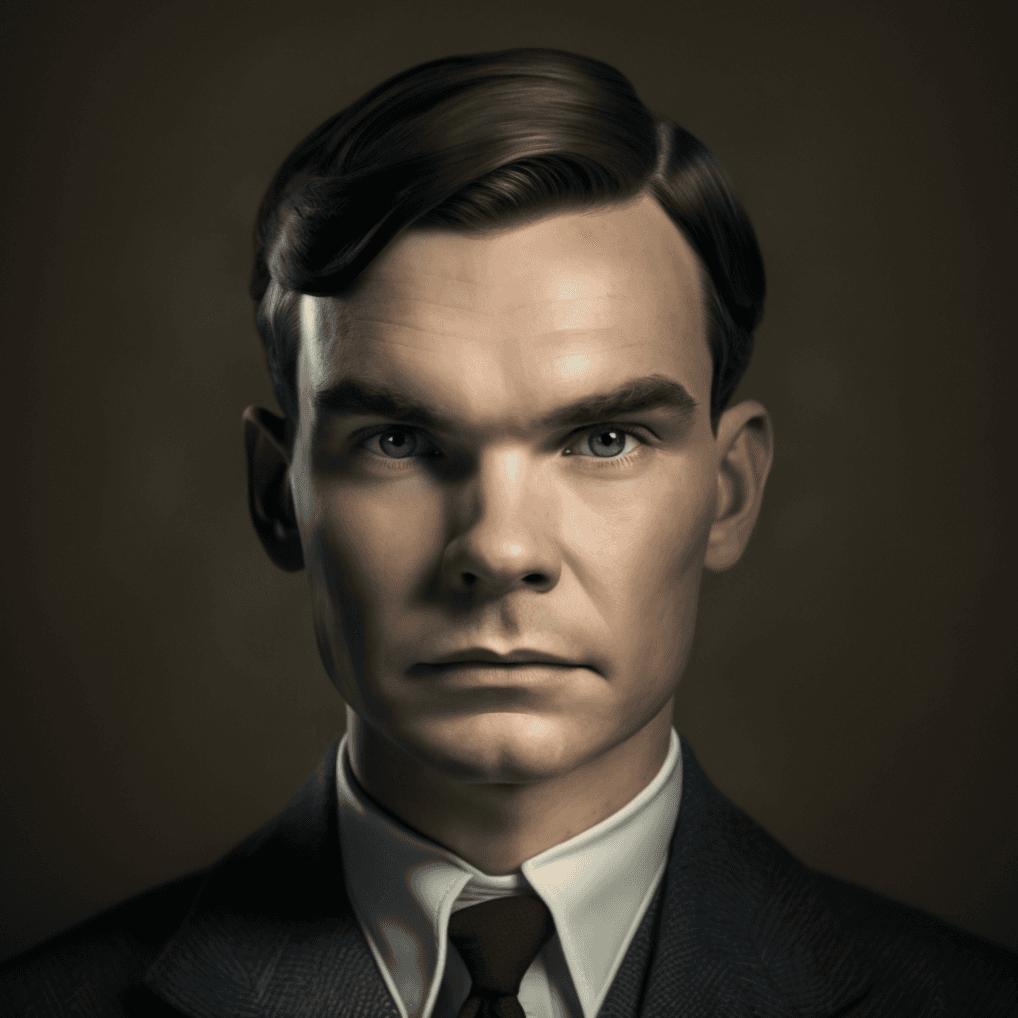
1912-1954
Computer Scientist - Logician - Codebreaker
آلان تورینگ (Alan Turing) در لندن به دنیا آمد و در دانشگاههای کمبریج و پرینستون ریاضیات خواند، جایی که شهرتی برای اصالت و دقت غیرمعمول خود کسب کرد. در سال ۱۹۳۶، مقالهای مهم درباره اعداد قابل محاسبه منتشر کرد و ماشین انتزاعیای را معرفی کرد که اکنون به نام ماشین تورینگ شناخته میشود. این مفهوم مدل دقیقی از رویههای الگوریتمی را ارائه داد و به تعریف محدودیتهای محاسبات مکانیکی کمک کرد.
در طول جنگ جهانی دوم، تورینگ در بلچلی پارک بر روی ترافیک رمزگذاری شده نیروی دریایی آلمان کار کرد و به طور تعیینکنندهای به عملیات رمزگشایی متفقین کمک کرد. او به طراحی و بهبود روشهای الکترومکانیکی، از جمله بمب، که به تسریع بازیابی کلیدها و امکان بهرهبرداری از اطلاعات در مقیاس بزرگ کمک کرد، پرداخت. کارهای او در زمان جنگ برای دههها طبقهبندی شده بود، اما تاریخنگاران اکنون آن را به عنوان یکی از مهمترین مشارکتهای علمی در پیروزی متفقین میدانند.
پس از جنگ، تورینگ به دنبال هوش ماشینی، طراحی نرمافزار و زیستشناسی ریاضی بود و در سال ۱۹۵۰ آنچه که به عنوان آزمون تورینگ شناخته میشود را پیشنهاد داد. او همچنین ایدههای اولیه معماری کامپیوتر را در بریتانیا پیش برد، زمانی که محاسبات الکترونیکی برنامهپذیر هنوز در حال آزمایش بود. او در سال ۱۹۵۲ به خاطر همجنسگرایی تحت قوانین تبعیضآمیز محاکمه شد و در سال ۱۹۵۴ درگذشت و بعدها به نماد جهانی درخشش علمی، یادآوری اخلاقی و عدالت LGBTQ+ تبدیل شد.
لحظات کلیدی در زندگی و میراث این چهره
1912
Born in Maida Vale and raised partly in England and India during childhood.
1936
Published a formal theory of computation and the universal machine idea.
1939-1945
Worked on cryptanalysis against German encrypted communications.
1950
Published 'Computing Machinery and Intelligence' with the imitation game proposal.
1954
Died at age forty-one after years of pioneering scientific work.
نقاط عطفی که سهم این چهره در تاریخ را مشخص میکند
Defined a formal model of computation that underpins theoretical computer science.
Helped lead cryptanalytic breakthroughs at Bletchley Park during World War II.
Framed an influential criterion for discussing machine intelligence and AI.
Contributed to postwar programmable computing projects and software methods.
جزئیات برجسته درباره این چهره
چگونه این چهره دنیایی را که به ارث بردیم شکل داد
تورینگ منطق انتزاعی را به چارچوب مفهومی تمدن دیجیتال تبدیل کرد. ایدههای او برنامهنویسی، نظریه پیچیدگی، امنیت سایبری و هوش مصنوعی را شکل داد و در حالی که رمزنگاری او در زمان جنگ مسیر استراتژیک قرن بیستم را تغییر داد. امروزه، از گوشیهای هوشمند تا ابررایانهها، محاسبات مدرن یک نسل فکری مستقیم به کار او دارد و زندگی او همچنین یادآور این است که جوامع میتوانند به نبوغ وابسته باشند و در عین حال از افرادی که آن را خلق میکنند، محافظت نکنند.
تأثیر پایدار در نسلها
Turing transformed abstract logic into the conceptual framework of digital civilization. His ideas shaped programming, complexity theory, cybersecurity, and AI, while his wartime cryptanalysis altered the strategic course of the twentieth century. Today, from smartphones to supercomputers, modern computing traces a direct intellectual lineage to his work, and his life also stands as a reminder that societies can both depend on genius and fail to protect the people who create it. Death in Wilmslow (1954) remains a defining moment in Alan Turing's enduring reputation.
پروفایلهای بیشتر از همان دوره یا حوزه
منابع آموزشی گزینششده برای مطالعه بیشتر