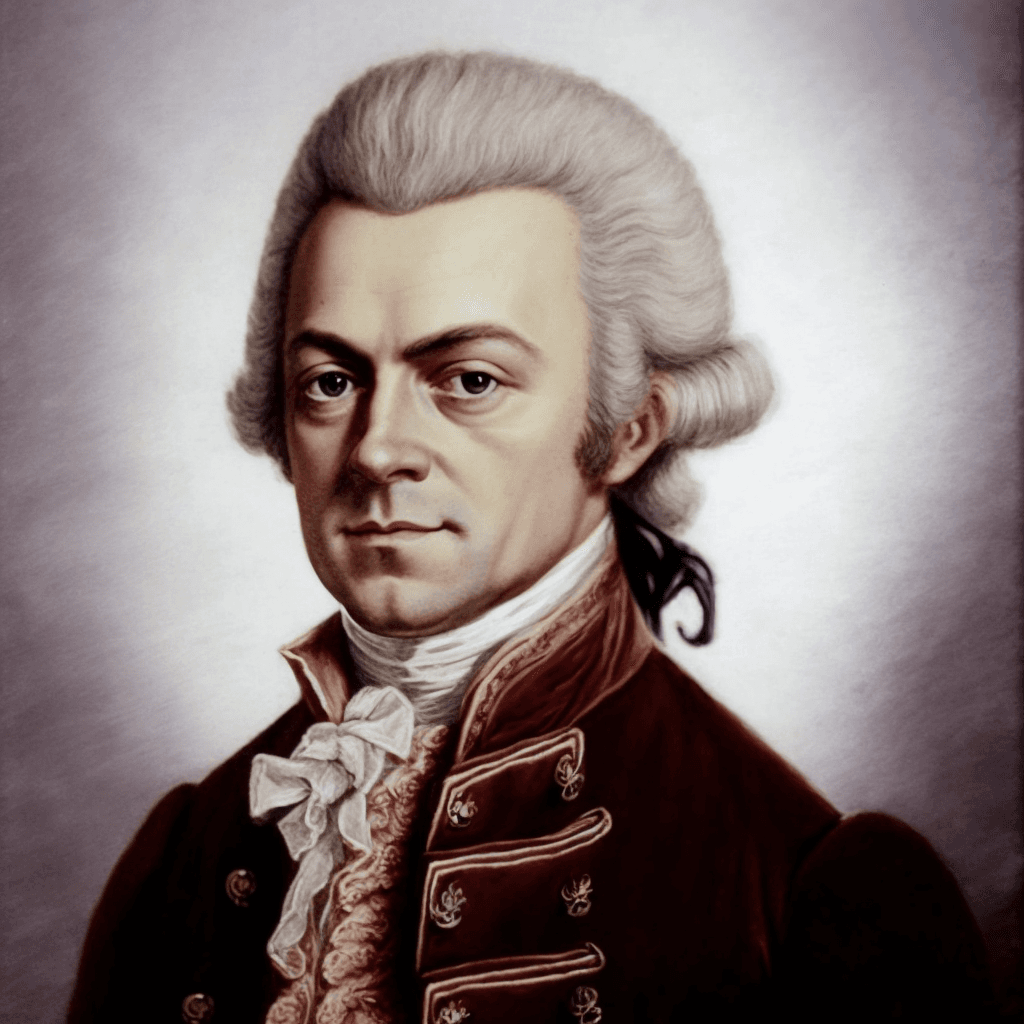
Symphonic Transformation
Expanded orchestral scope and emotional architecture of the symphony.

1770-1827
Composer - Pianist - Musical Revolutionary
لودویگ وان بتهون (Ludwig van Beethoven) در بن به دنیا آمد و به عنوان پیانیست و آهنگساز آموزش دید و سپس به وین نقل مکان کرد، جایی که با یوزف هایدن تحصیل کرد و وارد دایرههای موسیقی برجسته شد. آثار اولیه او تسلط بر فرمهای کلاسیک مرتبط با موتسارت و هایدن را نشان داد، اما سبک او به سرعت دراماتیکتر و ساختاری ماجراجویانهتر شد. تا آغاز قرن نوزدهم، او به عنوان یک آهنگساز پیشرو در اروپا شناخته شده بود.
دوره میانی بتهون دامنه بیانی سمفونی، سونات و کنسرتو را گسترش داد و آثارش مانند سمفونی اروئیکا و سمفونی پنجم روایت موسیقایی و قوس عاطفی را دوباره تعریف کردند. از دست دادن شنوایی پیشرفته، که از اواخر بیست سالگی آغاز شد، بحران شخصی او را تشدید کرد اما نتوانست تولید آثارش را متوقف کند. در سالهای بعد، او آثار تکنیکی و فلسفی بلندپروازانهای تولید کرد، از جمله کوارتتهای رشتهای دیرهنگام و سمفونی نهم.
تنظیم او از 'سرود شادی' شیلر به نماد جهانی برادری انسانی تبدیل شد و بعدها در زمینههای سیاسی و مدنی مدرن پذیرفته شد. بتهون تصویر عمومی آهنگساز را از خدمتکار دربار به یک بینشگر هنری مستقل تغییر داد. تأثیر او در رپرتوار کنسرت، آموزش موسیقی و ایدههای فرهنگی درباره خلاقیت در برابر سختیها بنیادی باقی مانده است.
لحظات کلیدی در زندگی و میراث این چهره
1770
Born in the Electorate of Cologne and trained by his musician father.
1792
Settled in Europe's musical capital and built a career as performer-composer.
1804
Completed Symphony No. 3, marking a major stylistic turning point.
1824
Presented his final symphony despite profound hearing impairment.
1827
Died after prolonged illness and was mourned by a vast public crowd.
نقاط عطفی که سهم این چهره در تاریخ را مشخص میکند
Expanded orchestral scope and emotional architecture of the symphony.
Composed landmark sonatas that advanced technical and expressive possibilities.
Integrated chorus into symphonic form with the globally recognized 'Ode to Joy'.
Produced structurally innovative chamber works that influenced modern composition.
جزئیات برجسته درباره این چهره
چگونه این چهره دنیایی را که به ارث بردیم شکل داد
بتهون افق بیانی موسیقی غربی را گسترش داد و به آغاز مفهوم رمانتیک هنر به عنوان مبارزهای اخلاقی و روانی کمک کرد. آثار او فرمهای آهنگسازی، فرهنگ کنسرت عمومی و وضعیت آهنگساز به عنوان یک خالق مستقل را تغییر داد. در طول دو قرن، موسیقی او معانی از استقامت شخصی تا آزادی سیاسی را به همراه داشته و او را به یکی از تفسیرشدهترین شخصیتها در تاریخ فرهنگی تبدیل کرده است.
تأثیر پایدار در نسلها
Beethoven expanded Western music's expressive horizon and helped inaugurate the Romantic conception of art as moral and psychological struggle. His works reshaped compositional form, public concert culture, and the status of the composer as an autonomous creator. Across two centuries, his music has carried meanings from personal endurance to political liberation, making him one of the most interpreted figures in cultural history. Death in Vienna (1827) remains a defining moment in Ludwig van Beethoven's enduring reputation.
پروفایلهای بیشتر از همان دوره یا حوزه
منابع آموزشی گزینششده برای مطالعه بیشتر