Pioneered Russian Realist Satire
Introduced a distinctive blend of grotesque humor and social criticism that shaped Dostoevsky, Chekhov, and generations of Russian writers.
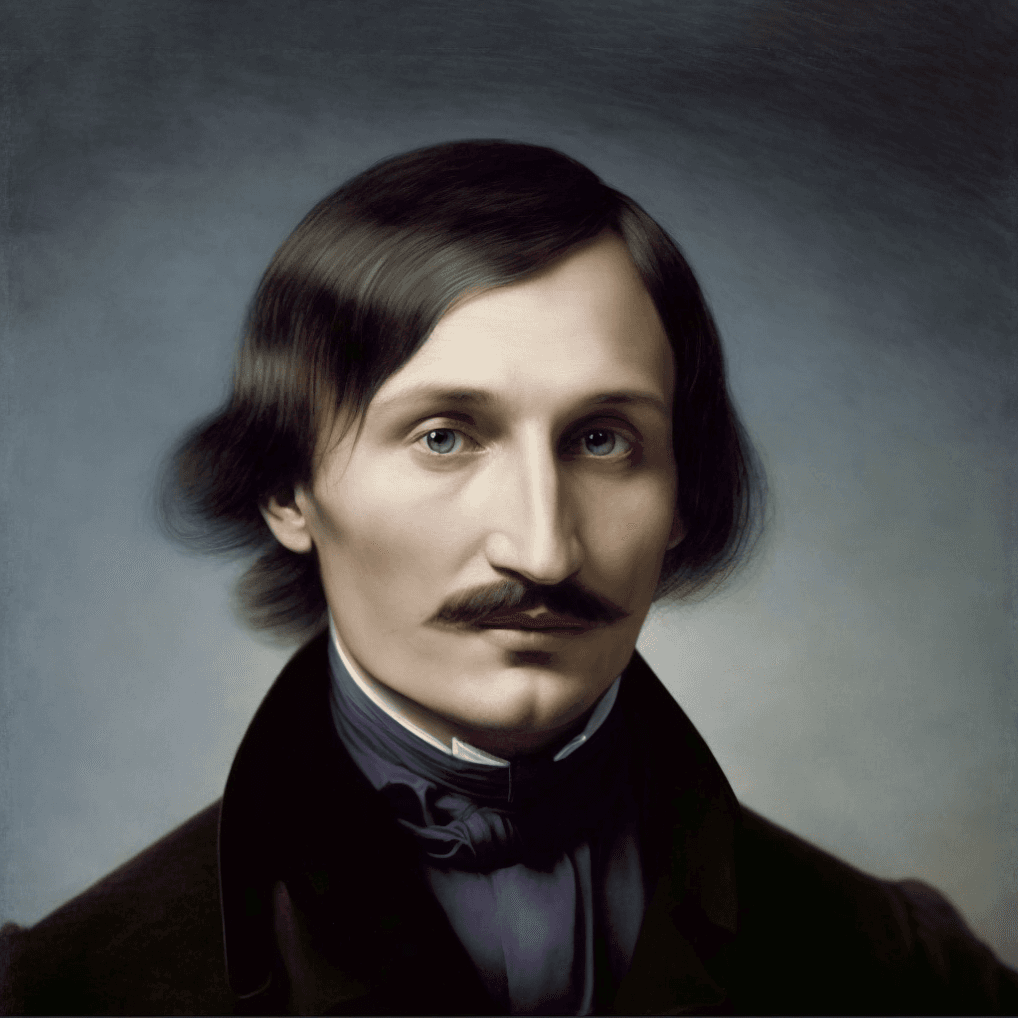
1809–1852
Novelist • Playwright • Satirist
نیکلای گوگول (Nikolai Gogol) در سال ۱۸۰۹ در سورچینتسی، در آنچه اکنون اوکراین است، به دنیا آمد و در میان داستانهای عامیانه و آداب و رسوم محلی بزرگ شد که بعداً آثارش را زنده کردند. پس از نقل مکان به سن پترزبورگ، او برای یافتن صدای ادبی خود تلاش کرد تا اینکه موفقیت *شبهای یک مزرعه نزدیک دیکانکا* او را به عنوان نویسندهای معرفی کرد که میتوانست ماوراء الطبیعه را به طرز نزدیکی روسی احساس کند.
شاهکارهای او—*کتپوش*، *روحهای مرده* و نمایشنامه *بازرس دولتی*—فساد، خودخواهی و پوچی روحی را با دقت کمدی و فوریت اخلاقی افشا کردند. شخصیتهای گوگول، از کارمند بیچاره آکاکی آکاکیویچ تا کلاهبردار چیچیکوف، به آرchetypeهایی از جامعهای تبدیل شدند که بین سنت و مدرنیته گرفتار شده بود.
در سالهای پایانی زندگیاش، گوگول تحت تأثیر یک مشاور روحانی سختگیر قرار گرفت و بخش دوم *روحهای مرده* را سوزاند، عملی که دنیای ادبیات را شوکه کرد. او در سال ۱۸۵۲ در مسکو پس از یک روزهداری شدید درگذشت و ادبیات روسیه را بهطور دائمی تحت تأثیر ترکیب واقعگرایی، خیال و نقد اجتماعی پیشگویانه خود قرار داد.
لحظات کلیدی در زندگی و میراث این چهره
1809
Grew up in a Ukrainian gentry family, absorbing folk stories and rural customs that later shaped his early fiction.
1831
Moved to the imperial capital and published *Evenings on a Farm Near Dikanka*, launching his career with tales of witches and Cossack adventure.
1836
His satirical play exposing provincial graft premiered under Tsar Nicholas I, who reportedly said everyone got the blame except himself.
1842
Released the first part of his novel about Chichikov's scheme to purchase deceased serfs, cementing his reputation as Russia's sharpest social critic.
1852
Died after destroying manuscripts and undergoing a punishing fast, leaving Russian literature mourning the loss of his unfinished masterwork.
نقاط عطفی که سهم این چهره در تاریخ را مشخص میکند
Introduced a distinctive blend of grotesque humor and social criticism that shaped Dostoevsky, Chekhov, and generations of Russian writers.
Created an unfinished epic novel whose portrait of a nation buying and selling 'dead souls' became one of literature's sharpest indictments of moral decay.
Works like *The Overcoat* and *The Nose* demonstrated how brief fiction could carry philosophical weight and transform everyday misery into universal symbol.
Drew on Cossack legends and village life to enrich imperial Russian literature with regional voices rarely heard in the capital.
جزئیات برجسته درباره این چهره
چگونه این چهره دنیایی را که به ارث بردیم شکل داد
گوگول تعریف جدیدی از آنچه نثر روسی میتواند انجام دهد ارائه داد و ثابت کرد که خنده و وحشت میتوانند عمیقترین نقصهای یک جامعه را افشا کنند. شخصیتها و عبارات او به گفتار روزمره وارد شدند و تأثیر او در واقعگرایی، مدرنیسم و کمدی تاریک ادبیات قرن بیستم در سراسر جهان مشهود است.
تأثیر پایدار در نسلها
Gogol redefined what Russian prose could do, proving that laughter and horror could expose a society's deepest faults. His characters and phrases entered everyday speech, and his influence runs through realism, modernism, and the dark comedy of twentieth-century fiction worldwide. Death in Moscow (1852) remains a defining moment in Nikolai Gogol's enduring reputation.
پروفایلهای بیشتر از همان دوره یا حوزه
منابع آموزشی گزینششده برای مطالعه بیشتر