Unified the German Empire
Orchestrated the diplomatic and military sequence that merged German states into a single empire under Prussian dominance in 1871.
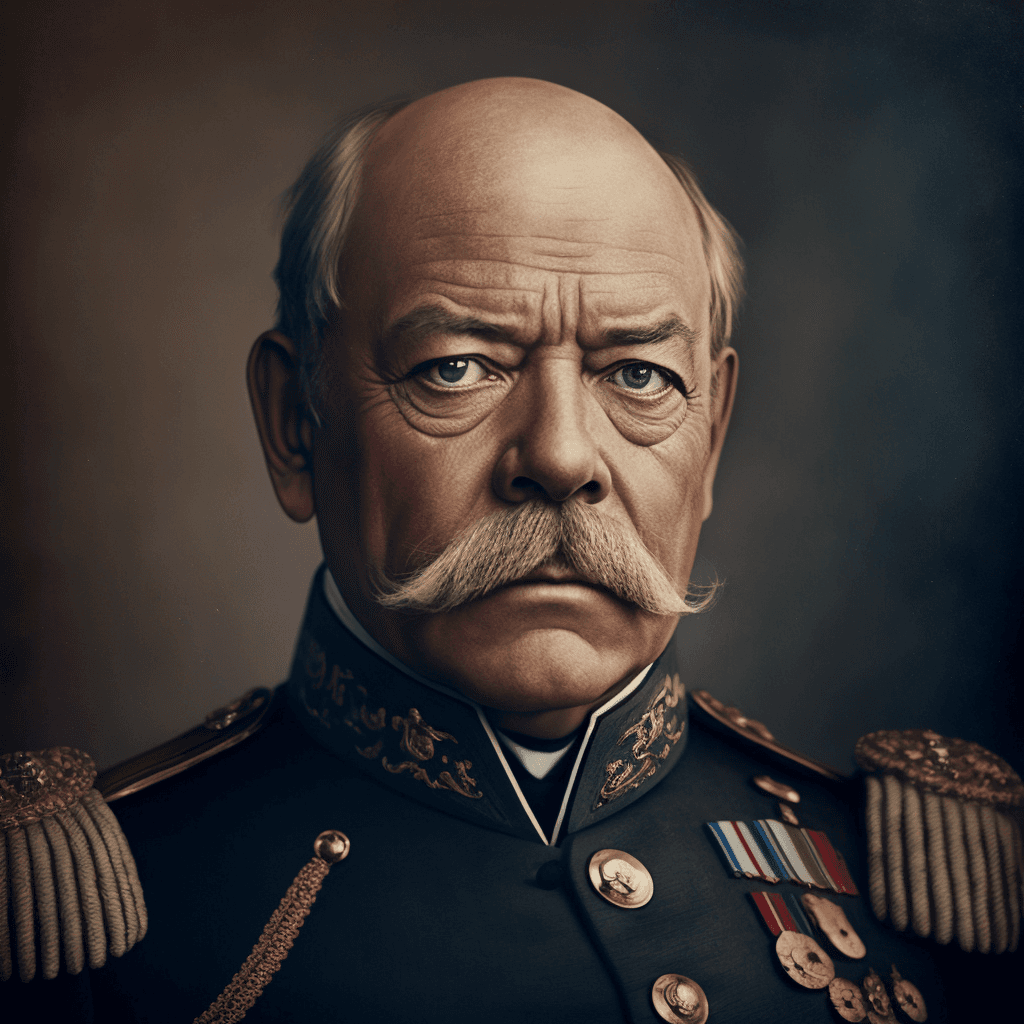
1815–1898
Statesman • Architect of German Unity
اوتو فون بیسمارک (Otto von Bismarck) در سال ۱۸۱۵ در یک خانواده یانکر در پروس به دنیا آمد و به عنوان یک نماینده محافظهکار وارد سیاست شد که در ابتدا با ملیگرایی لیبرال مخالفت میکرد. انتصاب او به عنوان سفیر پروس در پاریس و سن پترزبورگ به او آموخت که تعادل قدرت را با دقت سرد بخواند، مهارتهایی که او پس از اینکه پادشاه ویلهلم اول او را در سال ۱۸۶۲ به عنوان وزیر-نخست منصوب کرد، به طرز بیرحمانهای به کار برد.
بیسمارک سه جنگ سریع—علیه دانمارک، اتریش و فرانسه—را مهندسی کرد که راه را برای وحدت آلمان تحت رهبری پروس هموار کرد. در سال ۱۸۷۱ در ورسای به عنوان امپراتور آلمان اعلام شد و امپراتوری قانون اساسی را ساخت که قدرت سلطنتی را حفظ کرد و در عین حال انرژی ملیگرایانه را به یک ساختار دولتی مدرن هدایت کرد.
به عنوان صدراعظم تا سال ۱۸۹۰، او بیمه اجتماعی را پیشگام کرد، اتحادها را برای ایزوله کردن فرانسه دستکاری کرد و به بحثهای پارلمانی به عنوان ابزاری نه به عنوان محدودیتی نگاه کرد. پس از برکناری توسط ویلهلم دوم، او سالهای پایانی زندگیاش را به هشدار درباره جاهطلبیهای امپریالیستی بیپروا گذراند و آلمان متحد را باقی گذاشت که قدرت و تنشهای آن قرن بیستم را دگرگون کرد.
لحظات کلیدی در زندگی و میراث این چهره
1815
Raised in the Prussian aristocracy, studying law before entering conservative politics in the fragmented German Confederation.
1862
Took control of Prussian government and declared that great questions would be settled by 'iron and blood,' not speeches.
1871
After defeating France, Wilhelm I was proclaimed German Emperor in the Hall of Mirrors, completing unification.
1884
Acquired protectorates in Africa and the Pacific, extending German influence overseas while maintaining continental priorities.
1890
Forced from office after clashing with the new emperor, ending an era of cautious balance in European diplomacy.
نقاط عطفی که سهم این چهره در تاریخ را مشخص میکند
Orchestrated the diplomatic and military sequence that merged German states into a single empire under Prussian dominance in 1871.
Pioneered a foreign policy based on shifting alliances and calculated force, keeping France isolated while avoiding general European war for two decades.
Introduced health, accident, and old-age insurance in the 1880s, partly to undercut socialist appeal and stabilize industrial society.
Balanced monarchical authority, bureaucratic efficiency, and limited parliamentarism in a constitutional order that endured until 1918.
جزئیات برجسته درباره این چهره
چگونه این چهره دنیایی را که به ارث بردیم شکل داد
وحدت آلمان توسط بیسمارک نقشه اروپا را دوباره ترسیم کرد و یک قدرت صنعتی ایجاد کرد که رقابت آن با بریتانیا و فرانسه زمینهساز جنگ جهانی اول شد. ترکیب حکومت خودکامه و اصلاحات اجتماعی او بر هنر دولتداری فراتر از آلمان تأثیر گذاشت و 'واقعگرایی' را به یک اصطلاح دائمی در واژگان دیپلماتیک تبدیل کرد.
تأثیر پایدار در نسلها
Bismarck's unification of Germany redrew the map of Europe and created a industrial powerhouse whose rivalry with Britain and France helped set the stage for World War I. His blend of authoritarian governance and social reform influenced statecraft far beyond Germany, making 'Realpolitik' a permanent term in diplomatic vocabulary. Dismissed by Wilhelm II (1890) remains a defining moment in Otto von Bismarck's enduring reputation.
پروفایلهای بیشتر از همان دوره یا حوزه
منابع آموزشی گزینششده برای مطالعه بیشتر