Operatic Masterpieces
Created landmark operas blending dramatic insight with musical innovation.
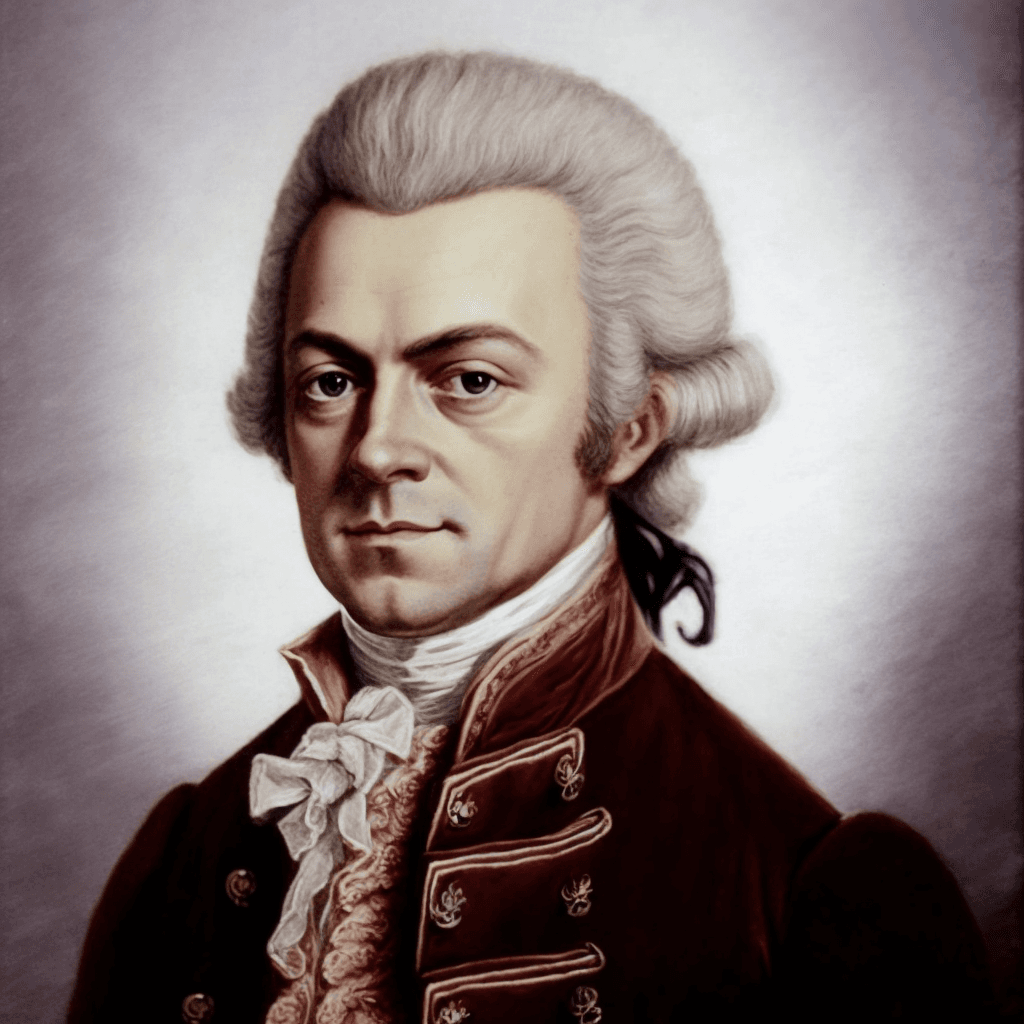
1756-1791
Composer - Virtuoso - Operatic Master
Wolfgang Amadeus Mozart est né à Salzbourg et a montré une capacité musicale extraordinaire dès son enfance sous l'instruction de son père Léopold. De nombreuses tournées à travers les cours européennes l'ont exposé à des styles divers, des mécènes et des traditions de performance. Dès son adolescence, il composait des symphonies, des concertos et des œuvres sacrées d'une sophistication inhabituelle.
En tant qu'adulte à Vienne, Mozart a recherché une plus grande indépendance vis-à-vis de l'emploi à la cour, composant des opéras, de la musique de chambre et des concertos pour piano qui combinaient élégance formelle et intensité dramatique. Des œuvres telles que Les Noces de Figaro, Don Giovanni et La Flûte enchantée ont élargi la caractérisation opératique et la structure musicale. Son écriture équilibre clarté et complexité de manière à rester centrale dans la pédagogie classique.
Mozart est mort à trente-cinq ans, laissant des projets inachevés, dont le Requiem, mais sa production a dépassé six cents œuvres cataloguées. Sa musique a influencé Beethoven et d'autres compositeurs à travers les périodes stylistiques, tandis que son image publique a évolué d'enfant prodige à emblème de brillance artistique. Mozart reste indispensable à la vie concertante, aux maisons d'opéra et à l'éducation musicale dans le monde entier.
Moments clés de la vie et de l'héritage de cette figure
1756
Born into a musical household in the Prince-Archbishopric of Salzburg.
1762-1766
Performed for courts and absorbed continental musical idioms.
1781
Left Salzburg service to pursue freelance composition and performance.
1786-1791
Produced Figaro, Don Giovanni, Cosi fan tutte, and The Magic Flute.
1791
Died during work on the Requiem, ending a brief but prolific career.
Jalons qui définissent la contribution de cette figure à l'histoire
Created landmark operas blending dramatic insight with musical innovation.
Elevated the concerto form through expressive dialogue between soloist and orchestra.
Produced enduring works that define Classical style and repertoire.
Composed major sacred, theatrical, orchestral, and instrumental music.
Détails notables sur cette figure
Comment cette figure a façonné le monde que nous avons hérité
Mozart a établi des normes durables pour l'invention mélodique, l'équilibre formel et la caractérisation dramatique dans la musique. Ses œuvres sont devenues un canon central à travers lequel les institutions enseignent l'écoute, la composition et la technique de performance. À travers les siècles, il symbolise l'idéal des Lumières selon lequel un artisanat discipliné et une liberté imaginative peuvent coexister au plus haut niveau artistique.
Influence durable à travers les générations
Mozart set enduring standards for melodic invention, formal balance, and dramatic characterization in music. His works became a core canon through which institutions teach listening, composition, and performance technique. Across centuries, he symbolizes the Enlightenment ideal that disciplined craft and imaginative freedom can coexist at the highest artistic level. Death in Vienna (1791) remains a defining moment in Wolfgang Amadeus Mozart's enduring reputation.
D'autres profils de la même époque ou du même domaine
Ressources éducatives sélectionnées pour approfondir
Entamez une conversation privée via Historical Collection AI.