Hercule Poirot Series
Created one of fiction's most recognizable detectives across many novels.
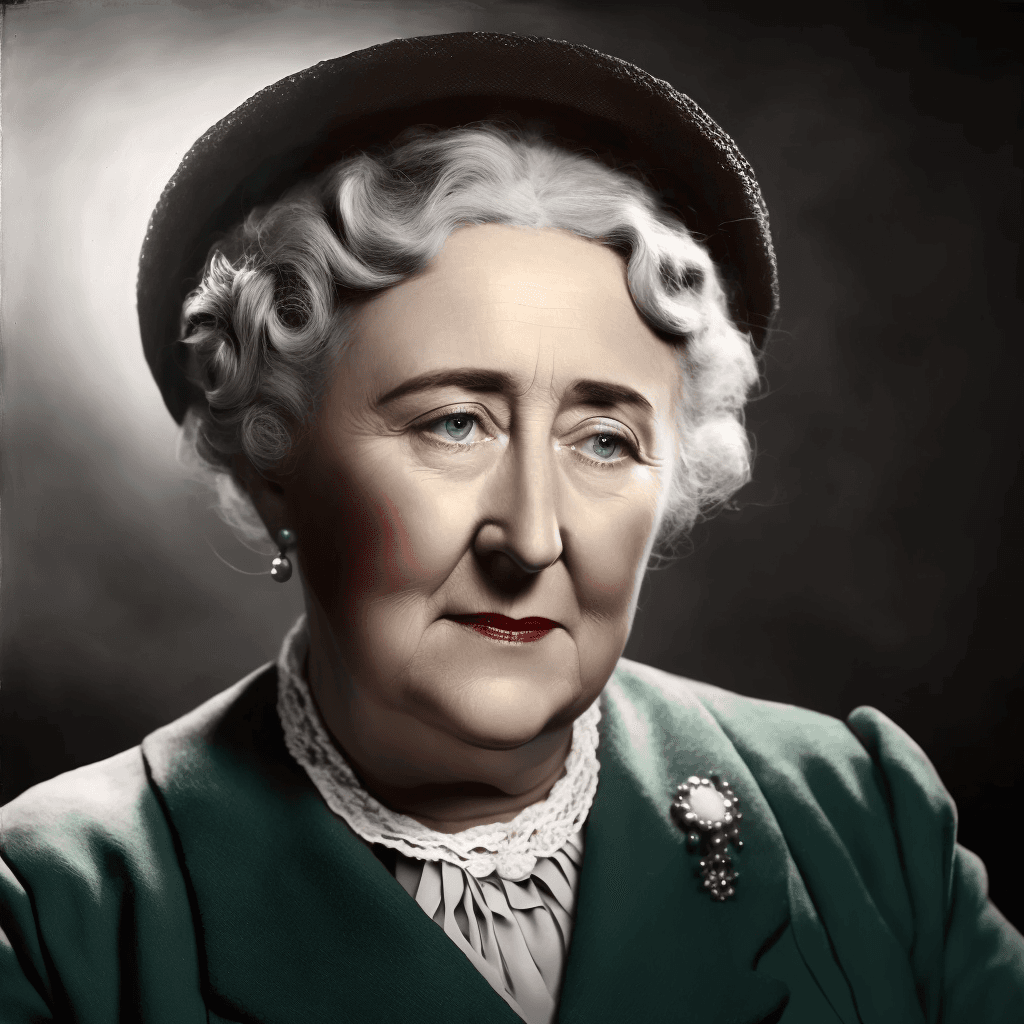
1890-1976
Novelist - Playwright - Mystery Architect
Агата Кristi (Agatha Christie) родилась в Торки и начала писать во время Первой мировой войны, работая в больничных условиях, которые познакомили ее с фармацевтикой и ядами. Ее первый роман представил Эркюля Пуаро, открыв карьеру, которая сочетала сложные сюжеты с огромной популярностью. Кристис писала на протяжении десятилетий социальных изменений, но при этом сохраняла удивительную последовательность в мастерстве повествования.
Ее произведения, включая «Убийство в Восточном экспрессе» и «И никого не стало», уточнили конвенции честной игры в детективной литературе, экспериментируя с ненадежным повествованием и замкнутыми структурами. Она также создала Мисс Марпл, контрастирующую детективную фигуру, чье социальное наблюдение выявляло скрытые мотивы в, казалось бы, тихих сообществах. Кроме романов, Кристис добилась значительного театрального успеха, особенно с «Мышеловкой».
Переведенные на множество языков и многократно адаптированные для сцены и экрана, работы Кристис сформировали глобальные ожидания жанра детективной литературы. Ее истории продолжают влиять на современное детективное письмо, телевизионные форматы и интерактивный дизайн головоломок. Она остается эталоном для экономии повествования, архитектуры напряжения и вовлеченности читателя.
Ключевые моменты жизни и наследия этой личности
1890
Born into a middle-class family in Devon, England.
1920
Published The Mysterious Affair at Styles, introducing Poirot.
1939
Released a major standalone mystery with lasting commercial success.
1952
Play premiered in London and became a long-running theatrical landmark.
1976
Died after becoming one of the world's most translated novelists.
Вехи, определяющие вклад этой личности в историю
Created one of fiction's most recognizable detectives across many novels.
Wrote one of the best-selling mystery novels in publishing history.
Authored the longest-running play in modern theatrical history.
Advanced puzzle-based plotting and twist structures in detective fiction.
Примечательные детали об этой личности
Как эта личность изменила мир, который мы унаследовали
Кристис стандартизировала многие из самых устойчивых нарративных механизмов детективной прозы, от распределения улик до кульминационного раскрытия. Ее работа расширила глобальную аудиторию для криминальной литературы и продемонстрировала, что жанровая проза может достигать как массовой популярности, так и формальной сложности. Современные детективные медиа, от романов до стриминговых сериалов, по-прежнему сильно опираются на структуры, которые она помогла канонизировать.
Влияние на последующие поколения
Christie standardized many of detective fiction's most durable narrative mechanics, from clue distribution to climactic revelation. Her work expanded the global readership for crime literature and demonstrated that genre fiction can achieve both mass popularity and formal sophistication. Contemporary mystery media, from novels to streaming series, still draw heavily on structures she helped canonize. Death in Oxfordshire (1976) remains a defining moment in Agatha Christie's enduring reputation.
Другие профили той же эпохи или области
Подобранные образовательные ресурсы для дальнейшего изучения
Начните беседу и изучите мудрость через Historical Collection AI.