Preservation of the Union
Held the United States together through four years of civil war.
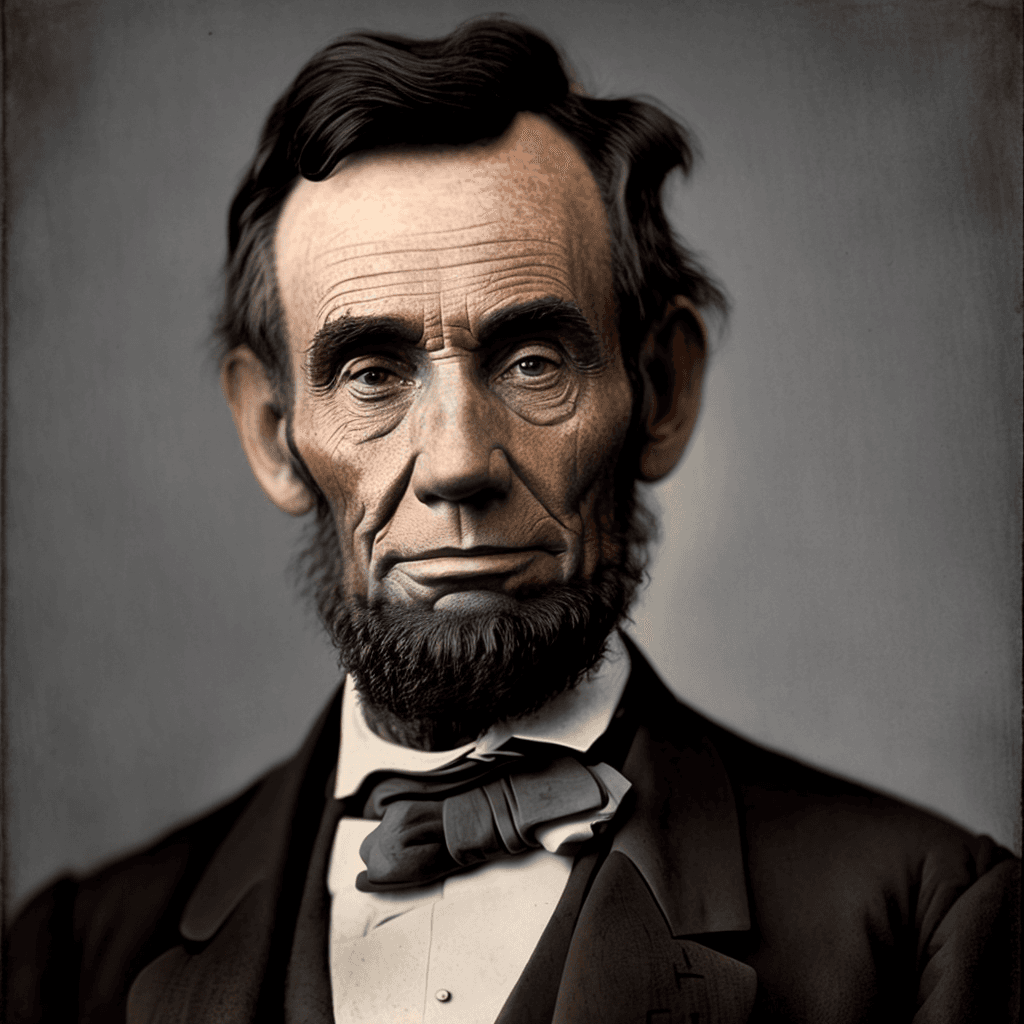
1809–1865
Leader • Orator • Emancipator
Абрахам Линкольн (Abraham Lincoln) родился в бревенчатой хижине в Кентукки и вырос на границе, получив мало формального образования, но развив острый ум через чтение и самообразование. Он работал лесорубом, продавцом, геодезистом и юристом, прежде чем вступить в политику Иллинойса. Его дебаты с Стивеном Дугласом по вопросу о расширении рабства привлекли национальное внимание и, в 1860 году, принесли ему президентство — в момент, когда Союз распадался.
Лидерство Линкольна во время Гражданской войны испытало каждое измерение демократического управления: мобилизация армий, балансировка политических фракций и переосмысление цели войны. Прокламация об освобождении 1863 года объявила свободу для угнетенных людей на территориях, контролируемых Конфедерацией, преобразовав конфликт в борьбу против человеческого рабства. Его Геттисбергская речь переосмыслила нацию как преданную равенству и самоуправлению, придавая войне моральный горизонт, выходящий за рамки военной победы.
Переизбранный в 1864 году, Линкольн добивался принятия Тринадцатой поправки, отменяющей рабство на всей территории страны. Убитый Джоном Уилксом Бутом в апреле 1865 года, через несколько дней после капитуляции Конфедерации, он стал мучеником и символом единства, свободы и демократической настойчивости. Его путь от пограничной бедности до трансформационного президентства воплощает американскую мечту — и ее незавершенную работу.
Ключевые моменты жизни и наследия этой личности
1809
Raised in frontier poverty in the American backcountry.
1830s–1840s
Practiced law in Illinois and served in the state legislature and U.S. House.
1860
Won the presidency as Southern states began seceding from the Union.
1863
Issued the Emancipation Proclamation and delivered the Gettysburg Address.
1865
Shot at Ford's Theatre after Confederate surrender; died the next morning.
Вехи, определяющие вклад этой личности в историю
Held the United States together through four years of civil war.
Declared freedom for enslaved people in rebel states, redefining war aims.
Articulated democracy's stakes in fewer than 300 enduring words.
Championed constitutional abolition of slavery before his death.
Примечательные детали об этой личности
Как эта личность изменила мир, который мы унаследовали
Линкольн переопределил американский эксперимент в его критический момент. Связывая выживание Союза с освобождением, он помог положить конец крепостному рабству в Соединенных Штатах и вдохновил последующие движения за гражданские права по всему миру. Его риторика — простая, точная и возвышенная — установила стандарт для демократического лидерства в условиях давления. Историки продолжают обсуждать его решения, но его наследие как президента-освободителя остается центральным в том, как современные демократии сталкиваются с несправедливостью и разделением.
Влияние на последующие поколения
Lincoln redefined the American experiment at its breaking point. By tying Union survival to emancipation, he helped end chattel slavery in the United States and inspired later movements for civil rights worldwide. His rhetoric—plain, precise, and elevated—set a standard for democratic leadership under pressure. Historians continue to debate his decisions, but his legacy as the emancipator-president remains central to how modern democracies confront injustice and division. Assassination (1865) remains a defining moment in Abraham Lincoln's enduring reputation.
Другие профили той же эпохи или области
Подобранные образовательные ресурсы для дальнейшего изучения
Начните беседу и изучите мудрость через Historical Collection AI.