The Analects
Collected teachings on virtue, governance, and self-cultivation, foundational to East Asian thought.
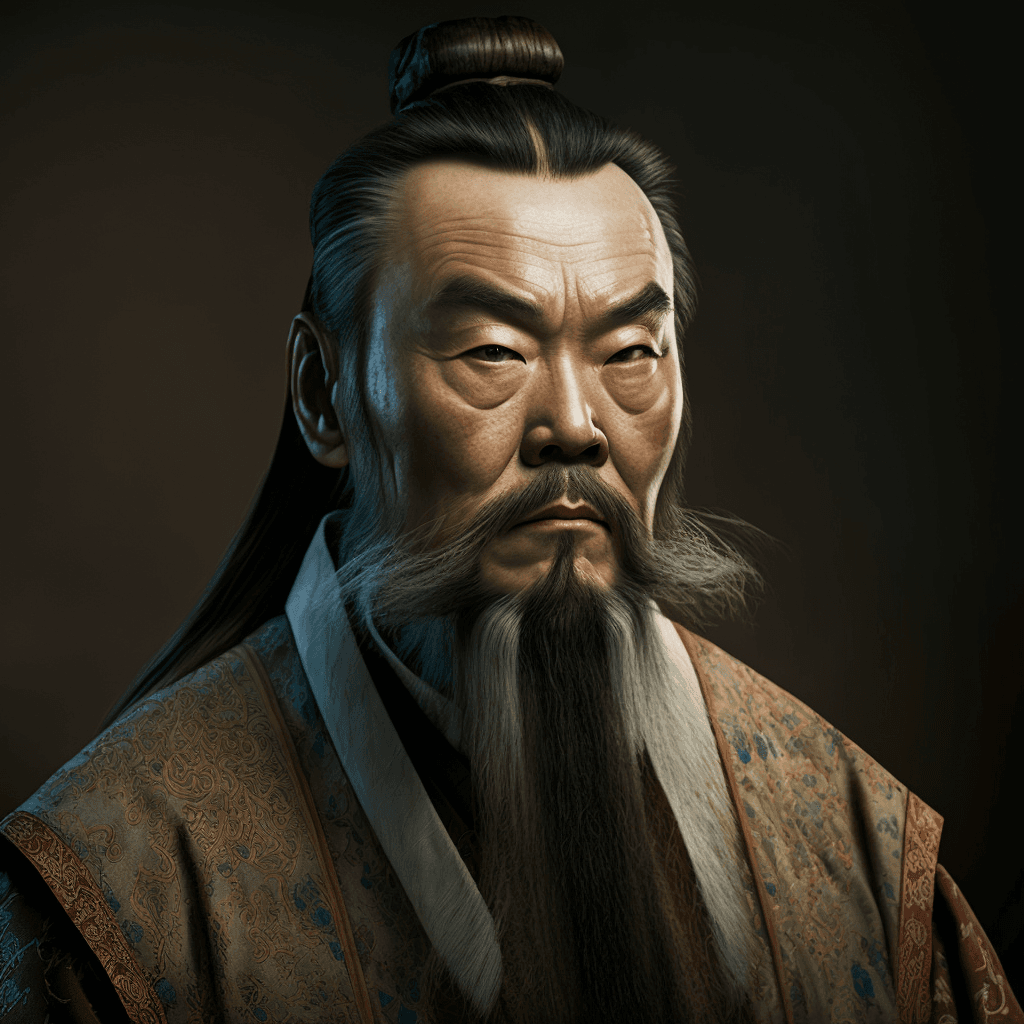
551–479 BC
Philosopher • Teacher • Moralist
Конфуций (Confucius), известный в Китае как Конг Цю, родился в государстве Лу в период упадка династии Чжоу — времени политической фрагментации и социальных волнений. Он стремился занять должность, чтобы восстановить порядок через моральное руководство, но большую часть своей жизни провел, путешествуя среди правителей, предлагая советы, которые часто оставались неуслышанными. Его истинное наследие заключалось в обучении: он собирал учеников, которые записывали его беседы и принципы.
Центральными понятиями конфуцианской мысли являются жэнь (доброта или человечность), ли (ритуальная корректность) и воспитание цзунцзы — образцового человека, который ведет своим примером, а не принуждением. Конфуций подчеркивал почтение к родителям, взаимные обязательства и образование как путь к личной и социальной гармонии. Он верил, что если правители будут служить примером честности, подданные будут следовать за ними, стабилизируя общество с семьи.
Собранные после его смерти, «Лунь юй» стали основным текстом конфуцианства, влияя на китайское управление, образование и этику на протяжении более двух тысячелетий. Конфуцианские идеалы распространились в Корею, Японию и Вьетнам, формируя экзамены на государственные должности, семейные структуры и концепции легитимной власти. Конфуций остается глобальным символом этического лидерства и обучения на протяжении всей жизни.
Ключевые моменты жизни и наследия этой личности
551 BC
Born in Shandong region during an era of warring Chinese states.
522 BC
Established a school emphasizing character, history, and ritual.
497 BC
Journeyed among rulers seeking to implement ethical governance.
484 BC
Spent final years editing classics and instructing disciples.
479 BC
Mourned by followers; teachings preserved in texts that shaped civilization.
Вехи, определяющие вклад этой личности в историю
Collected teachings on virtue, governance, and self-cultivation, foundational to East Asian thought.
Articulated benevolence and ritual propriety as pillars of moral and social order.
Promoted learning for all capable of study, not only the aristocracy.
Argued that moral example and merit-based service strengthen states more than force alone.
Примечательные детали об этой личности
Как эта личность изменила мир, который мы унаследовали
Конфуций дал Восточной Азии прочный моральный словарь для политики, семьи и образования. Имперский Китай построил свою бюрократию на конфуцианских экзаменах; реформаторы и революционеры также взаимодействовали с его наследием. Сегодня его акцент на взаимности, уважении и постоянном самосовершенствовании продолжает влиять на дебаты о лидерстве, сообществе и отношении между традицией и современностью по всему Тихоокеанскому региону и за его пределами.
Влияние на последующие поколения
Confucius gave East Asia a durable moral vocabulary for politics, family, and education. Imperial China built its bureaucracy on Confucian examinations; reformers and revolutionaries alike engaged with his legacy. Today his emphasis on reciprocity, respect, and lifelong cultivation continues to inform debates on leadership, community, and the relationship between tradition and modernity across the Pacific world and beyond. Death (479 BC) remains a defining moment in Confucius's enduring reputation.
Другие профили той же эпохи или области
Подобранные образовательные ресурсы для дальнейшего изучения
Начните беседу и изучите мудрость через Historical Collection AI.