Discovered the Tuberculosis Bacillus
Identified Mycobacterium tuberculosis in 1882, providing the first microbial explanation for history's deadliest chronic disease.
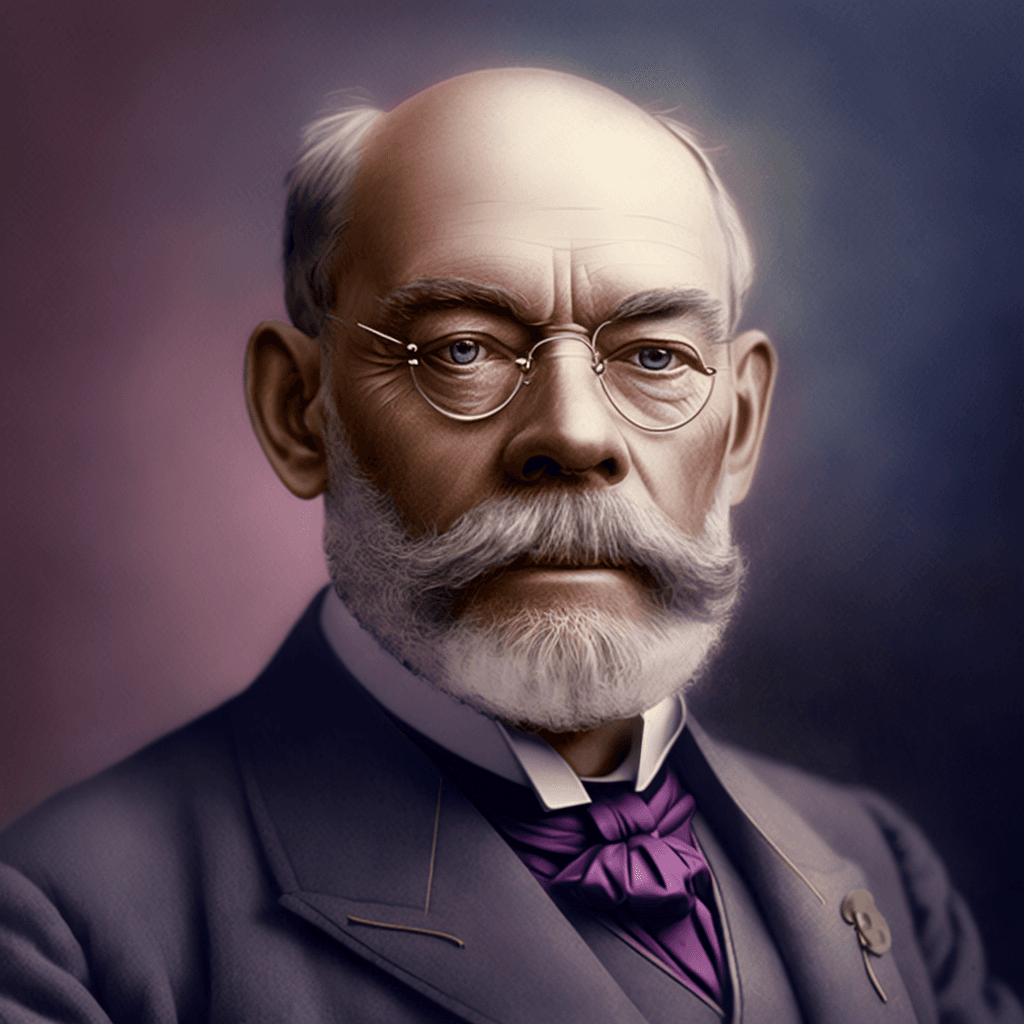
1843–1910
Physician • Microbiologist • Nobel Laureate
Родился в 1843 году в Клаустале в горах Гарца, ЛокализованноеИмя (Роберт Кох) изначально занимался сельской медициной, прежде чем перейти к микроскопии в домашней лаборатории. В 1876 году он продемонстрировал, что Bacillus anthracis вызывает сибирскую язву, фотографируя жизненный цикл организма и устанавливая методы для изоляции чистых бактериальных культур.
Презентация Коха в 1882 году на Физиологическом обществе Берлина идентифицировала Mycobacterium tuberculosis, бациллу, ответственную за заболевание, которое убивало одного из семи европейцев. Его четыре критерия — известные как постулаты Коха — стали золотым стандартом для связывания конкретных микробов с конкретными болезнями, трансформируя медицину из основанного на симптомах предположения в лабораторное доказательство.
Экспедиции в Египет и Индию привели к изоляции Vibrio cholerae, хотя споры о приоритете с итальянским исследователем Филиппо Пачини продолжались десятилетиями. Кох также занимался туберкулином как терапевтическим средством, что стало неудачей, не уменьшившей его институциональное влияние как директора Института инфекционных болезней в Берлине. Он умер в 1910 году, оставив микробиологию как дисциплину, основанную на его методах.
Ключевые моменты жизни и наследия этой личности
1843
Studied medicine at the University of Göttingen before serving as a district physician in rural East Prussia.
1876
Published proof that a specific bacterium caused anthrax, gaining attention from Ferdinand Cohn and the German scientific establishment.
1882
Announced discovery of the TB bacillus in Berlin, a moment later compared to Pasteur's rabies vaccine in significance.
1883
Isolated comma-shaped bacteria from cholera victims during epidemics, advancing understanding of waterborne disease.
1910
Died of a heart condition; Koch's methods had by then become standard practice in laboratories worldwide.
Вехи, определяющие вклад этой личности в историю
Identified Mycobacterium tuberculosis in 1882, providing the first microbial explanation for history's deadliest chronic disease.
Established four criteria for proving that a microorganism causes a disease, foundational to modern medical microbiology.
Demonstrated the complete life cycle of Bacillus anthracis, pioneering photography of bacteria and solid culture media techniques.
Awarded for investigations and discoveries regarding tuberculosis, cementing his status as a founder of bacteriology.
Примечательные детали об этой личности
Как эта личность изменила мир, который мы унаследовали
Постулаты Коха и методы изоляции дали медицине системный способ идентификации патогенов, что позволило создать вакцины, антибиотики и меры общественного здравоохранения, которые спасли миллионы жизней. Исследования туберкулеза, холеры и сибирской язвы, основанные на его работах, остаются основополагающими для глобальной политики в области здравоохранения.
Влияние на последующие поколения
Koch's postulates and isolation techniques gave medicine a systematic way to identify pathogens, enabling vaccines, antibiotics, and public health interventions that saved millions of lives. Tuberculosis, cholera, and anthrax research built on his work remain pillars of global health policy. Death in Baden-Baden (1910) remains a defining moment in Robert Koch's enduring reputation.
Другие профили той же эпохи или области
Подобранные образовательные ресурсы для дальнейшего изучения
Начните беседу и изучите мудрость через Historical Collection AI.