First Human Spaceflight
Completed the first crewed orbital mission in history aboard Vostok 1.
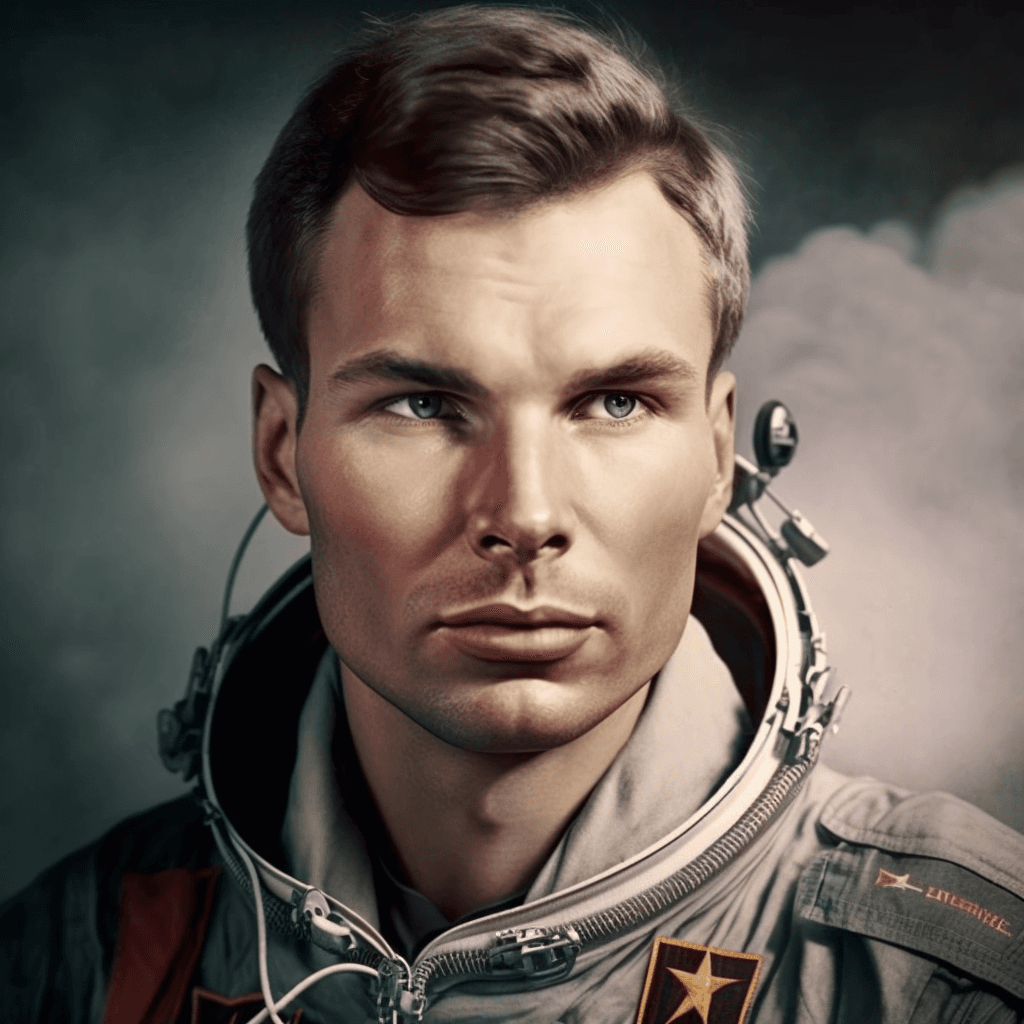
1934-1968
Cosmonaut - Aviator - Space Pioneer
Юрий Гагарин (Yuri Gagarin) родился недалеко от Смоленска и обучался профессии металлообработчика, прежде чем поступить в советскую военную авиацию. Его технические способности и спокойствие в стрессовых ситуациях помогли ему пройти отбор в первый отряд космонавтов СССР. Советская космическая программа выбрала его для миссии, которая имела огромное научное и геополитическое значение в условиях Холодной войны.
12 апреля 1961 года, на борту Востока-1, Гагарин завершил один виток вокруг Земли и стал первым человеком в космосе. Миссия подтвердила критически важные системы жизнеобеспечения, запуска и повторного входа, продемонстрировав выживаемость человека в орбитальном полете. Успех Гагарина стал глобальным медийным событием и символической вехой в космической гонке.
После своего исторического полета Гагарин служил международным представителем советской науки и продолжал обучение в аэрокосмических ролях. Он погиб в 1968 году в результате аварии учебного самолета, завершив короткую, но знаковую карьеру. Его наследие сохраняется в истории космических исследований как человеческое лицо ранних орбитальных достижений.
Ключевые моменты жизни и наследия этой личности
1934
Born in rural Soviet Union and raised through wartime hardship.
1955
Qualified as a pilot and entered Soviet Air Force service.
1960
Chosen for first cohort of Soviet spaceflight candidates.
1961
Completed one orbit and returned safely as first human in space.
1968
Died in jet accident while active in aviation and training duties.
Вехи, определяющие вклад этой личности в историю
Completed the first crewed orbital mission in history aboard Vostok 1.
Demonstrated practical human operation in extreme spaceflight conditions.
Became an enduring international symbol of early space exploration.
Advanced global interest in astronautics through diplomacy and outreach.
Примечательные детали об этой личности
Как эта личность изменила мир, который мы унаследовали
Полёт Гагарина ознаменовал начало человеческого космического путешествия и изменил глобальные ожидания в области науки, инженерии и национальной престижа. Успех ускорил инвестиции в ракетостроение, спутниковые системы и архитектуру пилотируемых миссий с обеих сторон Холодной войны. Как историческая фигура, он представляет собой слияние индивидуального мужества и масштабных технологических систем в современном исследовании.
Влияние на последующие поколения
Gagarin remains the enduring human face of the space age. Monuments, streets, and institutions worldwide bear his name, and 12 April is celebrated globally as Yuri's Night and Cosmonautics Day. His flight opened the era of human exploration beyond Earth and continues to inspire astronauts, engineers, and dreamers who believe that the sky is not the limit.
Другие профили той же эпохи или области
Подобранные образовательные ресурсы для дальнейшего изучения
Начните беседу и изучите мудрость через Historical Collection AI.