LSD Synthesis
First synthesized lysergic acid diethylamide in 1938 and documented its psychoactive properties in 1943.
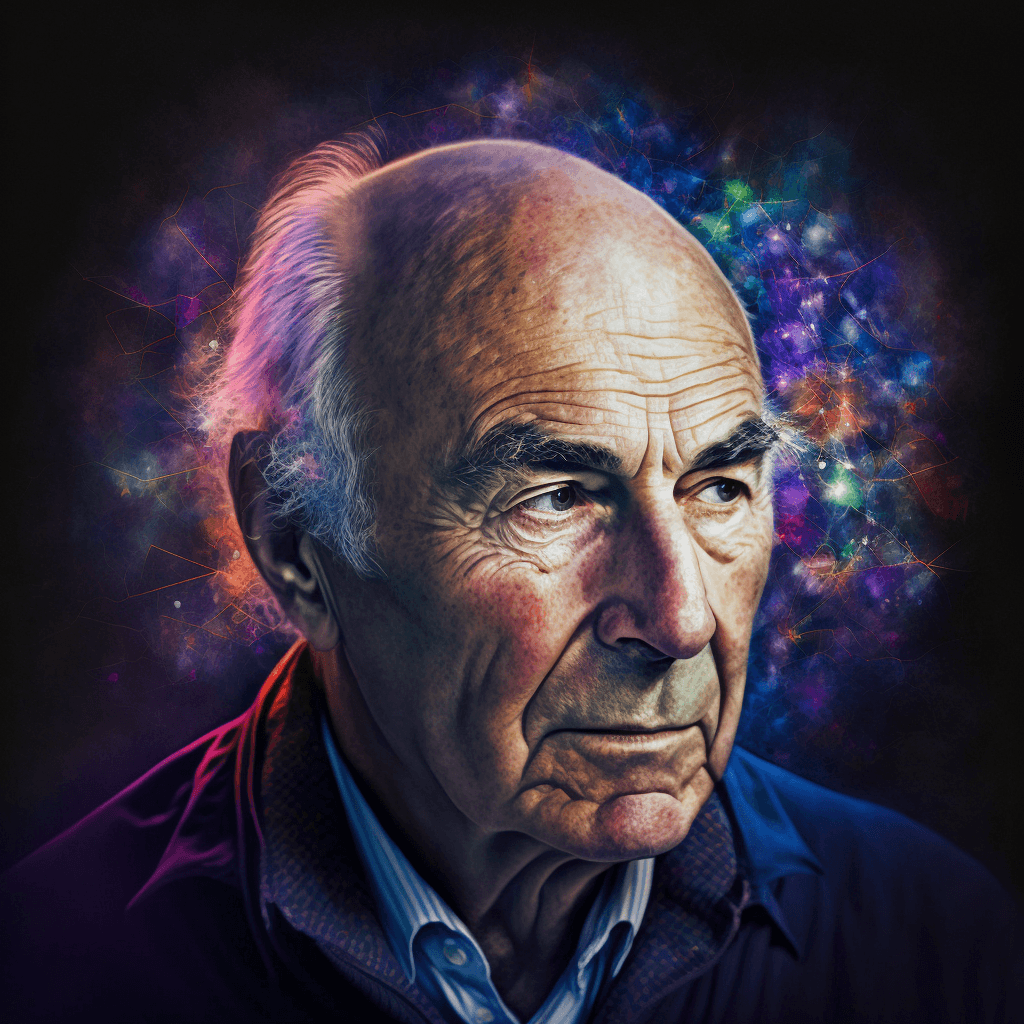
1906–2008
Chemist • Researcher • Discoverer
Albert Hofmann was born on 11 January 1906 in Baden, Switzerland, a town associated with thermal springs and orderly civic life, and he trained as a chemist at the University of Zurich during a period when Swiss pharmaceutical firms were becoming global leaders in alkaloid research. After completing his doctorate he joined Sandoz, a Basel-based company later absorbed into Novartis, where laboratory discipline, patent strategy, and collaboration between organic chemistry and pharmacology defined daily work. Hofmann investigated ergot alkaloids derived from Claviceps purpurea, a fungus that grows on rye and had long been linked both to medicinal contraction of the uterus and to epidemic poisonings known as ergotism. Medieval accounts associated ergot with St. Anthony's fire, and early twentieth-century chemists sought to isolate active compounds for obstetrics while eliminating deadly variability. Hofmann's temperament was methodical and modest; colleagues described a researcher who kept meticulous notebooks, preferred small systematic experiments to speculative leaps, and returned to puzzling compounds years after first synthesizing them. Basel in the 1930s offered proximity to German and French scientific networks even as political turmoil on Sandoz's borders made Swiss neutrality commercially valuable. Hofmann lived simply, walked and cycled regularly, and maintained a lifelong attachment to nature that later informed his writings on psychedelics as tools for wonder rather than escapism. His early career focused on circulatory stimulants derived from ergot, including derivatives of lysergic acid, the molecular core he would modify repeatedly in search of clinically useful compounds. Nothing in his published early work suggested he would become a figure of global counterculture; he appeared to contemporaries as a reliable industrial chemist within a conservative corporate culture.
In 1938 Hofmann first synthesized lysergic acid diethylamide, designated LSD-25 because it was the twenty-fifth lysergic acid derivative prepared in his series, but he set the compound aside when initial pharmacological tests in animals showed no striking effects. Five years later, on 16 April 1943, while re-examining LSD-25 in the Sandoz laboratory, he accidentally absorbed a small quantity through the skin and experienced unusual dizziness and vivid imagery, an episode he documented carefully. Deliberately ingesting a measured dose on 19 April—now commemorated as Bicycle Day—he confirmed the compound's extraordinary potency at microscopic levels during a bicycle ride home accompanied by an assistant. Sandoz supplied LSD under the trade name Delysid to psychiatric researchers worldwide from the late 1940s through the 1960s, and for a period it appeared in controlled studies of alcoholism, terminal illness anxiety, and the neurochemistry of perception. Clinicians in Canada, Czechoslovakia, Britain, and the United States explored whether guided LSD sessions could accelerate psychotherapy, while Sandoz insisted on medical supervision and printed informational leaflets describing dosage and contraindications. Hofmann also synthesized psilocybin from Mexican magic mushrooms after receiving samples from ethnobotanist Roger Heim, extending Sandoz's portfolio of consciousness-altering research chemicals. He published technical papers on chemical structure and stability, traveled to Mexico to encounter indigenous ritual contexts, and increasingly argued that these substances required respect, preparation, and ethical boundaries. Laboratory notebooks from the period show Hofmann's astonishment at LSD's activity in micrograms, a potency that challenged standard dosing assumptions and forced new safety protocols in pharmaceutical testing. His discovery permanently altered psychopharmacology: researchers could no longer assume that psychological effects mapped simply onto visible molecular structures known at the time.
As LSD moved from clinics into counterculture during the 1960s, Hofmann grew concerned about uncontrolled use, sensational media coverage, and the erosion of scientific context that Sandoz had tried to maintain. Timothy Leary's advocacy at Harvard and subsequent public campaigns, Haight-Ashbury experimentation, and moral panic in multiple countries led to prohibition by the late 1960s and early 1970s, a development Hofmann viewed as an overcorrection that halted promising research. He continued writing into old age, publishing LSD: My Problem Child and related essays that blended memoir, chemistry, and philosophical reflection on humanity's relationship to altered states. Hofmann corresponded with psychiatrists, mystics, and scientists, defending the idea that psychedelics might reopen questions about perception and spirituality without endorsing reckless consumption. He lived to 102, witnessing both criminalization and a twenty-first-century revival of academic interest in psychedelic therapy for depression, PTSD, and end-of-life distress. Modern trials at Johns Hopkins, Imperial College London, and Swiss institutions cite Hofmann's synthesis as the origin point of a research lineage interrupted for decades by policy rather than evidence alone. In Basel he remained a revered elder figure, attending symposia and receiving visitors who treated him as a living link to one of the twentieth century's most consequential laboratory accidents. Historians of science debate whether LSD's cultural trajectory was inevitable once the compound left Sandoz's controlled distribution, but few dispute that Hofmann's discovery changed neuroscience, psychiatry, art, and religious studies simultaneously. He died on 29 April 2008 in Burg im Leimental, Switzerland, remembered as a discoverer who never ceased urging caution, curiosity, and moral seriousness about the power to alter consciousness chemically.
1906 — Born in Baden. Born in Baden, Switzerland, and later studied chemistry at the University of Zurich.
1929 — Joined Sandoz. Began pharmaceutical research at Sandoz in Basel focusing on plant and fungal alkaloids.
1943 — Bicycle Day Discovery. Experienced the effects of LSD after laboratory exposure, initiating systematic study of the compound.
1950s — Psychiatric Research Supply. Sandoz distributed LSD to clinicians exploring psychotherapy and brain function.
2008 — Death at 102. Died in Burg, Switzerland, after decades as both discoverer and critic of psychedelic culture.
Key moments across this figure's life and legacy
1906
Born in Baden, Switzerland, and later studied chemistry at the University of Zurich.
1929
Began pharmaceutical research at Sandoz in Basel focusing on plant and fungal alkaloids.
1943
Experienced the effects of LSD after laboratory exposure, initiating systematic study of the compound.
1950s
Sandoz distributed LSD to clinicians exploring psychotherapy and brain function.
2008
Died in Burg, Switzerland, after decades as both discoverer and critic of psychedelic culture.
Landmarks that define this figure's contribution to history
First synthesized lysergic acid diethylamide in 1938 and documented its psychoactive properties in 1943.
Investigated fungal compounds at Sandoz, contributing to pharmaceutical understanding of ergot derivatives.
Conducted deliberate trials that established dosage thresholds and initiated formal psychiatric research programs.
Published reflections urging responsible scientific and spiritual use of psychedelic substances across his long career.
Notable details about this historical figure
How this figure shaped the world we inherit
Hofmann's synthesis of LSD opened a new chapter in psychopharmacology and altered twentieth-century culture on a scale few laboratory discoveries have matched. Clinical trials in the 1950s and a twenty-first-century revival of psychedelic therapy both trace intellectual roots to his work at Sandoz. At the same time, his warnings about misuse helped frame ongoing debates over regulation, mental health treatment, and the scientific study of consciousness.
Enduring influence across generations
Hofmann's synthesis of LSD opened a new chapter in psychopharmacology and altered twentieth-century culture on a scale few laboratory discoveries have matched. Clinical trials in the 1950s and a twenty-first-century revival of psychedelic therapy both trace intellectual roots to his work at Sandoz. At the same time, his warnings about misuse helped frame ongoing debates over regulation, mental health treatment, and the scientific study of consciousness. Death at 102 (2008) remains a defining moment in Albert Hofmann's enduring reputation.
Explore more profiles from the same era or field
Curated educational resources for further study
Start a private conversation and explore their wisdom through Historical Collection AI.