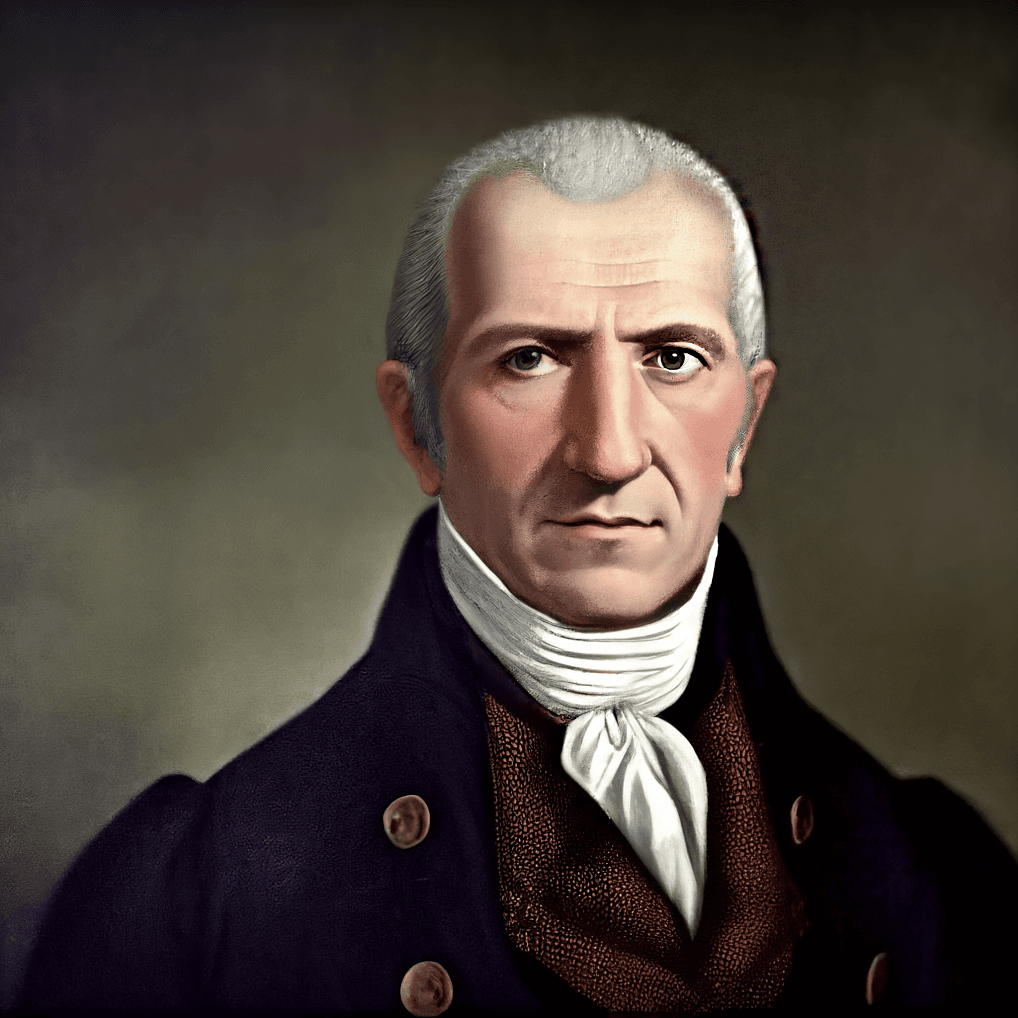
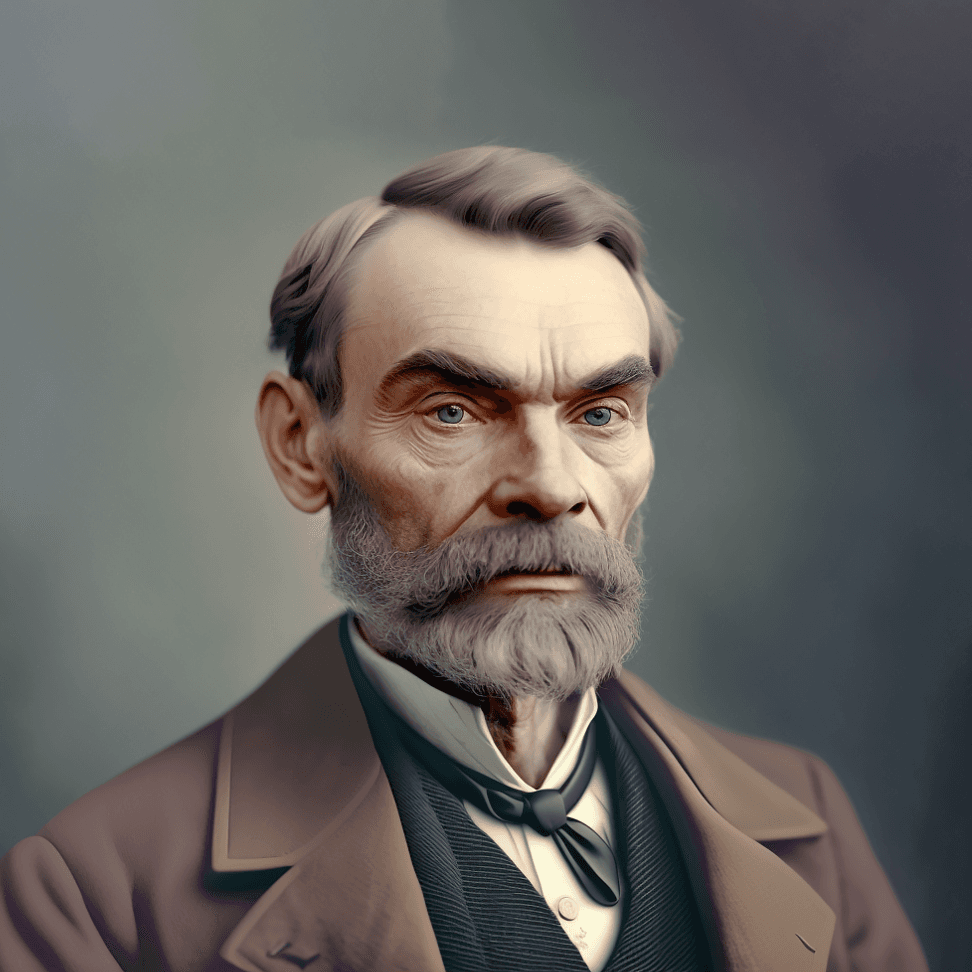
1886 Motorwagen Patent
Patented a three-wheeled automobile powered by a gasoline internal combustion engine.
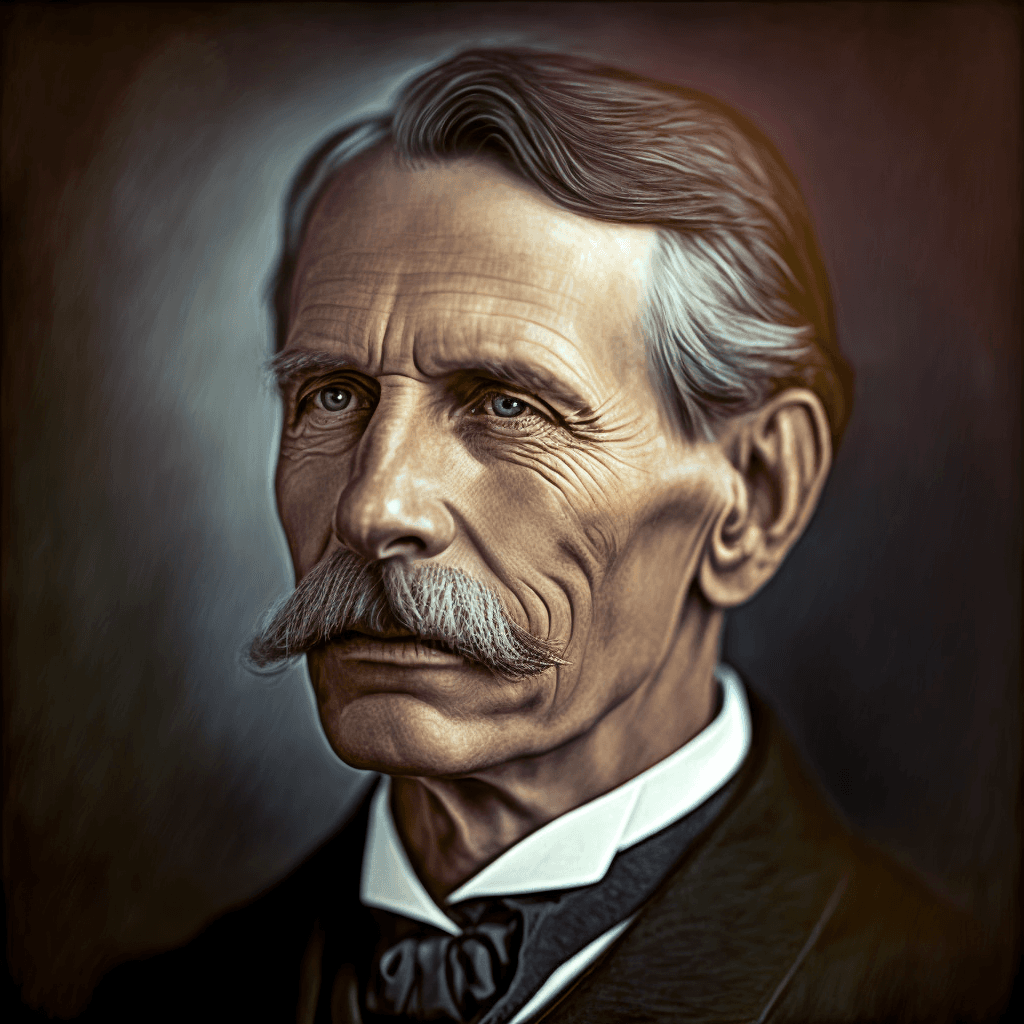
1844–1929
Engineer • Automotive Pioneer
Carl Friedrich Benz was born on 25 November 1844 in Karlsruhe in the Grand Duchy of Baden, losing his father, a locomotive driver, in infancy and relying on his mother Josephine's determination to secure engineering education despite poverty. He studied mechanical engineering at Karlsruhe Polytechnic under Ferdinand Redtenbacher and others who emphasized precision machining and thermodynamics foundational to internal combustion development. Early employment included iron construction and a brief unsuccessful company with August Ritter before Benz married Bertha Ringer, who later invested dowry funds when creditors threatened workshop seizure. Benz worked on stationary gas engines, bicycle technology, and two-stroke concepts, publishing articles that built reputation among German mechanical engineers navigating industrial unification. Mannheim offered manufacturing environment near Rhine shipping and emerging chemical industries supplying fuels and lubricants. Benz's temperament combined methodical drafting with entrepreneurial risk, filing patents aggressively while refining prototypes through iterative failure. Contemporaries Gottlieb Daimler and Wilhelm Maybach pursued parallel motorization in Cannstatt, leading to later rivalry and nationalist claims over who invented the automobile. Benz focused on integrated vehicle design rather than merely mounting engines on carriages, a conceptual distinction historians emphasize when assigning priority. Family life intertwined with business: Bertha understood mechanics and finance, playing roles beyond Victorian domestic norms.
On 29 January 1886 Benz received German patent number 37435 for a three-wheeled Motorwagen powered by a single-cylinder four-stroke gasoline engine of his own design, mounted horizontally on a tubular steel frame. The vehicle integrated ignition, cooling, differential, and transmission into a coherent system intended for practical travel rather than steam-powered experimentation or electric battery limits of the era. Public demonstration in Mannheim streets drew curiosity and skepticism from horse-drawn traffic cultures unaccustomed to self-propelled carriages. In August 1888 Bertha Benz drove the Motorwagen with sons Eugen and Richard from Mannheim to Pforzheim, roughly sixty miles, without Carl's prior knowledge, refueling ligroin at pharmacies and arranging shoe leather brake pads en route. Her journey, now celebrated as first long-distance automobile trip, functioned as marketing and endurance test, proving reliability and exposing weaknesses such as uphill fuel flow that Carl subsequently corrected. Benz & Cie. Rheinische Gasmotoren-Fabrik expanded production of motor vehicles and stationary engines, exhibiting at Paris Exposition and facing competition from Daimler's four-wheeled motor carriage. Patent disputes, licensing, and technical improvements— steering, speed, durability—occupied Benz through the 1890s as automobile clubs formed and road infrastructure lagged behind machines. Two-stroke and four-stroke experiments continued; Benz held dozens of patents on engine components, carburetion, and chassis design. By 1900 Benz was largest automobile company in the world by unit sales, though American and French competitors rapidly advanced.
Benz's firm merged in 1926 with Daimler Motoren Gesellschaft to form Daimler-Benz AG, producer of Mercedes-Benz automobiles, uniting brands that had competed for decades. Benz lived to see motor transport transform cities, warfare logistics, and industry, dying in Ladenburg on 4 April 1929 at eighty-four in a house he and Bertha shared near their sons' management of the business. Historians credit him alongside Daimler, Maybach, Etienne Lenoir, and others for parallel innovations, yet Benz's 1886 patent date is widely cited as birth certificate of the modern car. Bertha's 1988 centennial reenactments and German postal stamps memorialized the couple as joint pioneers. Automobile museums in Mannheim and Ladenburg preserve Motorwagen replicas and Benz family archives. Environmental historians note internal combustion dominance born in Benz's workshop contributed to twentieth-century climate and urban sprawl challenges now driving electric revival. Mercedes-Benz brand traces corporate genealogy directly to his patents, using history in global advertising. Engineering education case studies use Benz to teach integration of subsystems—powertrain, chassis, controls—rather than isolated invention myths. Benz converted internal combustion from workshop curiosity into personal mobility, reshaping labor markets, leisure travel, and military supply chains. His patent and Bertha's drive symbolize how engineering breakthroughs require both laboratory invention and public demonstration to alter daily life across continents. Automotive historians compare Benz patent claims with contemporaneous French and American motor carriage patents to map parallel invention rather than single eureka moment. Heritage tours along Bertha's 1888 route stop at pharmacy sites where she bought ligroin fuel, turning engineering history into regional tourism. Environmental policy debates reference Benz era as origin of petroleum-dependent mobility now facing electrification transition. Mercedes-Benz museums in Stuttgart narrate corporate genealogy from Mannheim workshop to global luxury brand. Urban planners discussing car-centric infrastructure sometimes begin historical modules with Mannheim patent and Bertha's road test. Vintage automobile rallies commemorate Motorwagen designs, celebrating mechanical heritage that began in Baden workshops before mass assembly lines. Patent law case studies compare his 1886 filing to later automotive litigation, illustrating how intellectual property shaped industrial competition in Germany's Second Industrial Revolution. Automotive engineering programs visit Mannheim exhibits to connect thermodynamics coursework with origins of personal motorized transport. Readers and researchers continue to consult biographies, correspondence, and archival collections when reconstructing the context of these achievements.
1844 — Born in Karlsruhe. Born in Baden and educated in mechanical engineering despite family poverty.
1883 — Benz & Cie. Founded. Established a Mannheim firm producing gas engines and experimental vehicles.
1886 — Automobile Patent. Received German patent 37435 for the Benz Patent Motorwagen.
1888 — Bertha's Journey. Witnessed the first long-distance automobile trip driven by his wife Bertha Benz.
1929 — Death in Ladenburg. Died in Ladenburg after seeing the global spread of motor transport.
Key moments across this figure's life and legacy
1844
Born in Baden and educated in mechanical engineering despite family poverty.
1883
Established a Mannheim firm producing gas engines and experimental vehicles.
1886
Received German patent 37435 for the Benz Patent Motorwagen.
1888
Witnessed the first long-distance automobile trip driven by his wife Bertha Benz.
1929
Died in Ladenburg after seeing the global spread of motor transport.
Landmarks that define this figure's contribution to history
Patented a three-wheeled automobile powered by a gasoline internal combustion engine.
Designed a complete drivetrain linking engine, chassis, and steering for road use.
Supported the 1888 demonstration run that proved long-distance feasibility and publicized the invention.
His company merged with Daimler Motoren Gesellschaft, forming a flagship automotive brand.
Notable details about this historical figure
How this figure shaped the world we inherit
Benz converted the internal combustion engine from workshop curiosity into personal mobility. The automobile reshaped urban planning, labor markets, warfare logistics, and environmental policy across the twentieth century. His patent and Bertha's drive symbolize how engineering breakthroughs require both laboratory invention and public demonstration to alter daily life.
Enduring influence across generations
Benz converted the internal combustion engine from workshop curiosity into personal mobility. The automobile reshaped urban planning, labor markets, warfare logistics, and environmental policy across the twentieth century. His patent and Bertha's drive symbolize how engineering breakthroughs require both laboratory invention and public demonstration to alter daily life. Death in Ladenburg (1929) remains a defining moment in Carl Benz's enduring reputation.
Explore more profiles from the same era or field
Curated educational resources for further study
Start a private conversation and explore their wisdom through Historical Collection AI.