AK-47 Design
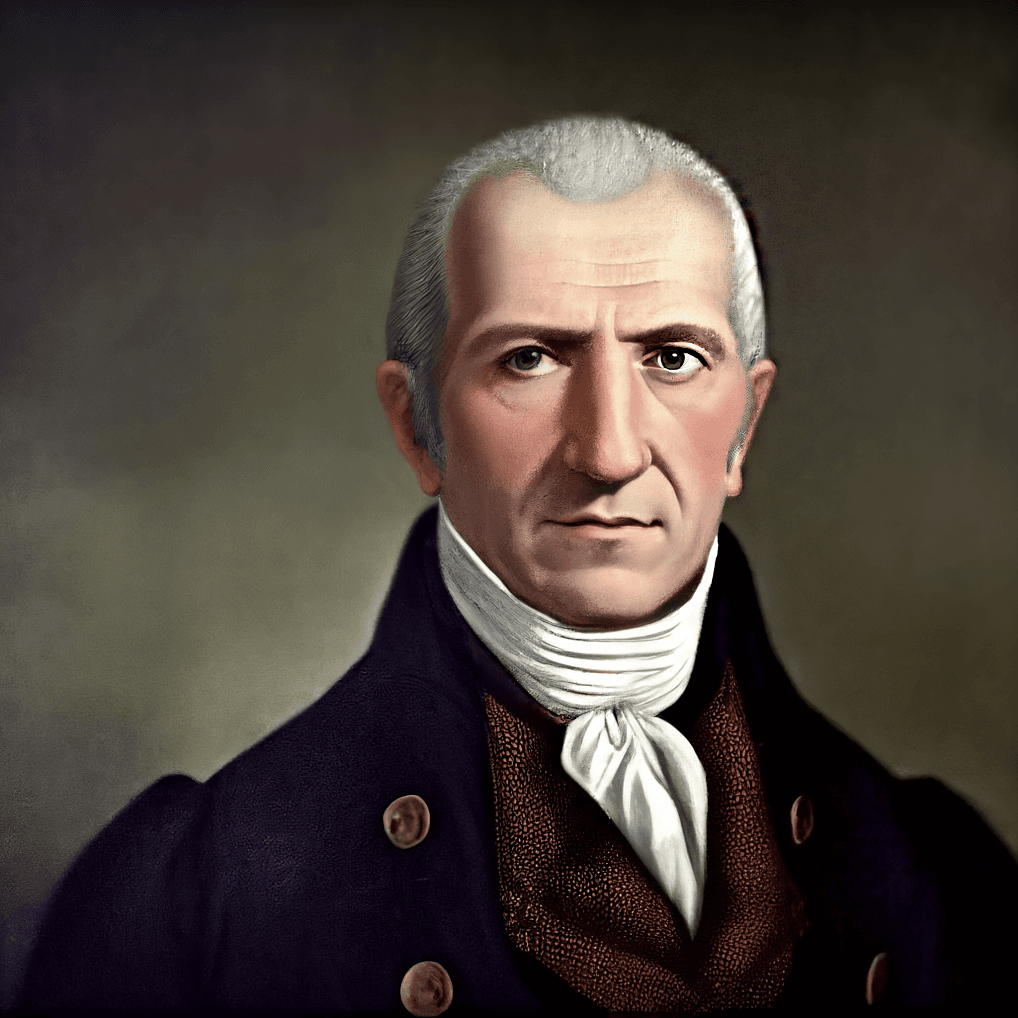
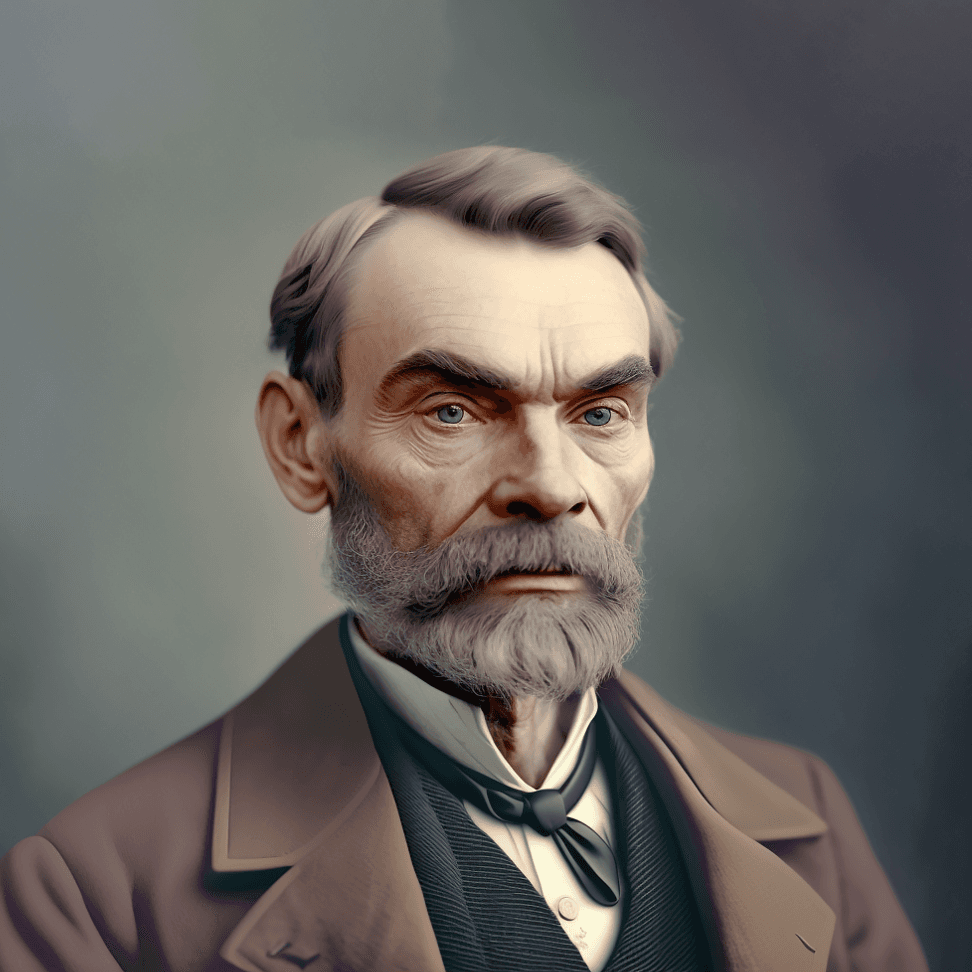
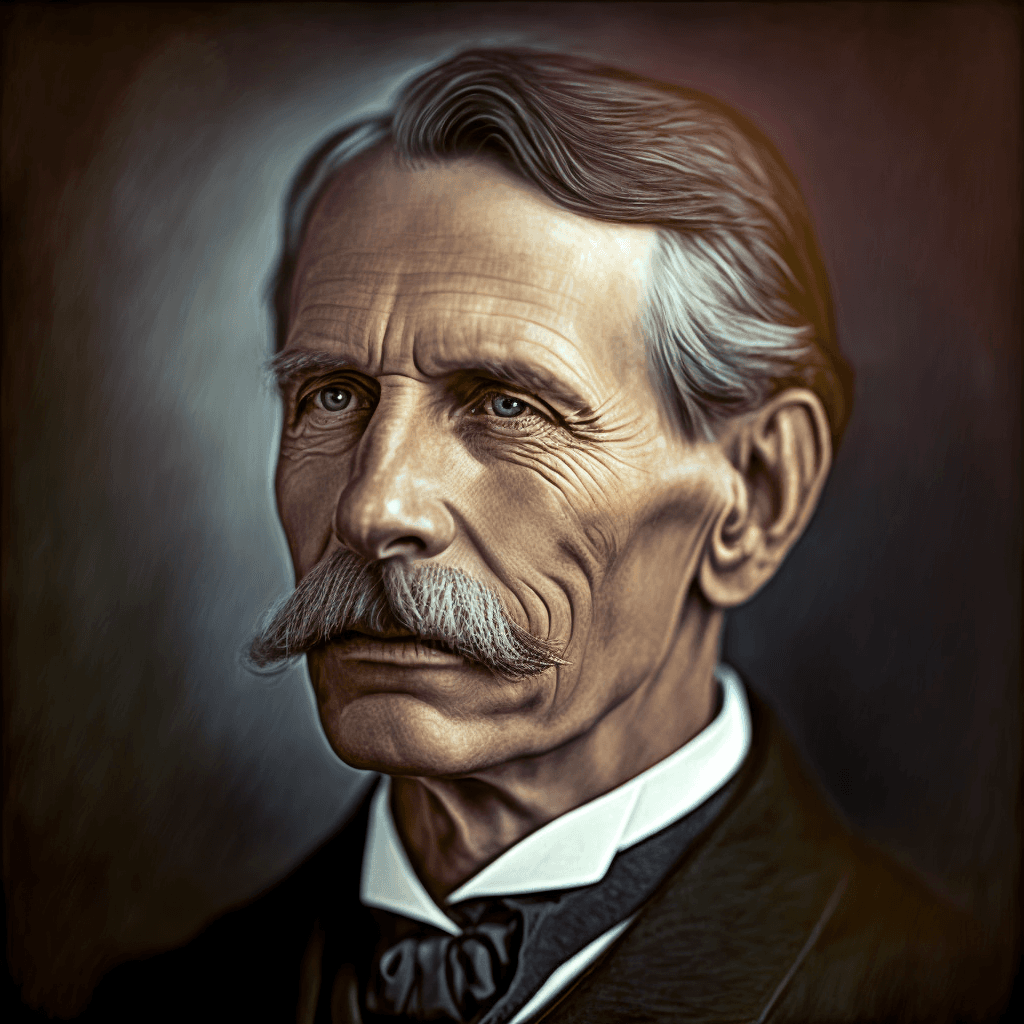
Kalashnikov's 1947 automatic rifle used a rugged gas system and stamped parts suited to mass wartime production.
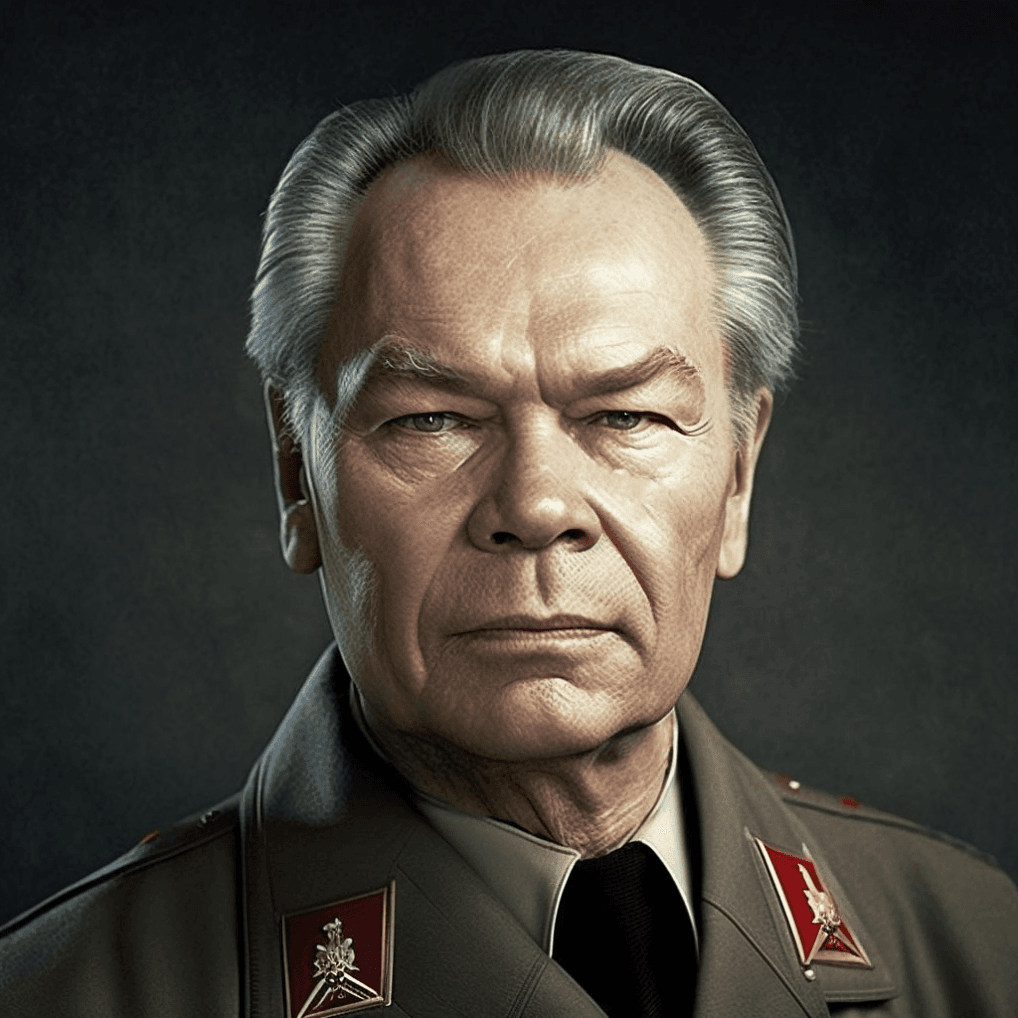
1919–2013
Engineer • Weapons Designer
Mikhail Timofeyevich Kalashnikov was born in 1919 in Kurya, Altai Krai, to a peasant family deported under Stalin's dekulakization policies. Self-taught in mechanics, he served as a tank commander during World War II and began designing small arms while recovering from a shoulder wound. His goal was a rifle soldiers could trust in mud, dust, and cold.
The Avtomat Kalashnikova model 1947 combined a gas-operated mechanism with loose tolerances that tolerated poor maintenance. Adopted by the Soviet Army in 1949, the AK-47 and its successors spread through Warsaw Pact armies, licensed production abroad, and copies from China to Nigeria. Kalashnikov received the Hero of Socialist Labor title and numerous state honors but little personal wealth from global proliferation.
In later life Kalashnikov expressed moral unease about civilian casualties, though he defended the weapon as a tool of national defense. He continued working at the Izhevsk arms plant until his death in 2013 at ninety-four, a symbol of Soviet industrial design whose invention outlived the state that commissioned it.
1919 — Birth in Altai Krai. Kalashnikov grew up in rural Siberia amid famine and political upheaval following the Russian Revolution.
1941 — Wartime Service. Wounded at the Battle of Bryansk, he began sketching firearm designs while convalescing in a hospital.
1947 — Prototype Accepted. His avtomat won Soviet trials emphasizing reliability, simplicity, and low manufacturing cost.
1949 — Red Army Adoption. The AK-47 entered serial production at Izhevsk and replaced older infantry rifles across the Soviet military.
2013 — Death in Izhevsk. Kalashnikov died at ninety-four and was buried with state honors in the city where his rifle was manufactured.
Key moments across this figure's life and legacy
1919
Kalashnikov grew up in rural Siberia amid famine and political upheaval following the Russian Revolution.
1941
Wounded at the Battle of Bryansk, he began sketching firearm designs while convalescing in a hospital.
1947
His avtomat won Soviet trials emphasizing reliability, simplicity, and low manufacturing cost.
1949
The AK-47 entered serial production at Izhevsk and replaced older infantry rifles across the Soviet military.
2013
Kalashnikov died at ninety-four and was buried with state honors in the city where his rifle was manufactured.
Landmarks that define this figure's contribution to history
Kalashnikov's 1947 automatic rifle used a rugged gas system and stamped parts suited to mass wartime production.
Variants and copies of his design armed dozens of armies and insurgencies, making the AK profile recognizable worldwide.
He spent decades refining Kalashnikov-pattern weapons, including the AKM and later sporting and export models.
Notable details about this historical figure
How this figure shaped the world we inherit
The AK-47 became the archetype of the modern assault rifle, shaping infantry doctrine and countless conflicts after 1945. Kalashnikov's name is synonymous with a design whose durability and ease of manufacture altered the global balance of small-arms availability.
Enduring influence across generations
The AK-47 became the archetype of the modern assault rifle, shaping infantry doctrine and countless conflicts after 1945. Kalashnikov's name is synonymous with a design whose durability and ease of manufacture altered the global balance of small-arms availability. Death in Izhevsk (2013) remains a defining moment in Mikhail Kalashnikov's enduring reputation.
Explore more profiles from the same era or field
Curated educational resources for further study
Start a private conversation and explore their wisdom through Historical Collection AI.