Serialized Social Novels
Pioneered mass-market fiction that linked entertainment with reform of workhouses, courts, and schools.
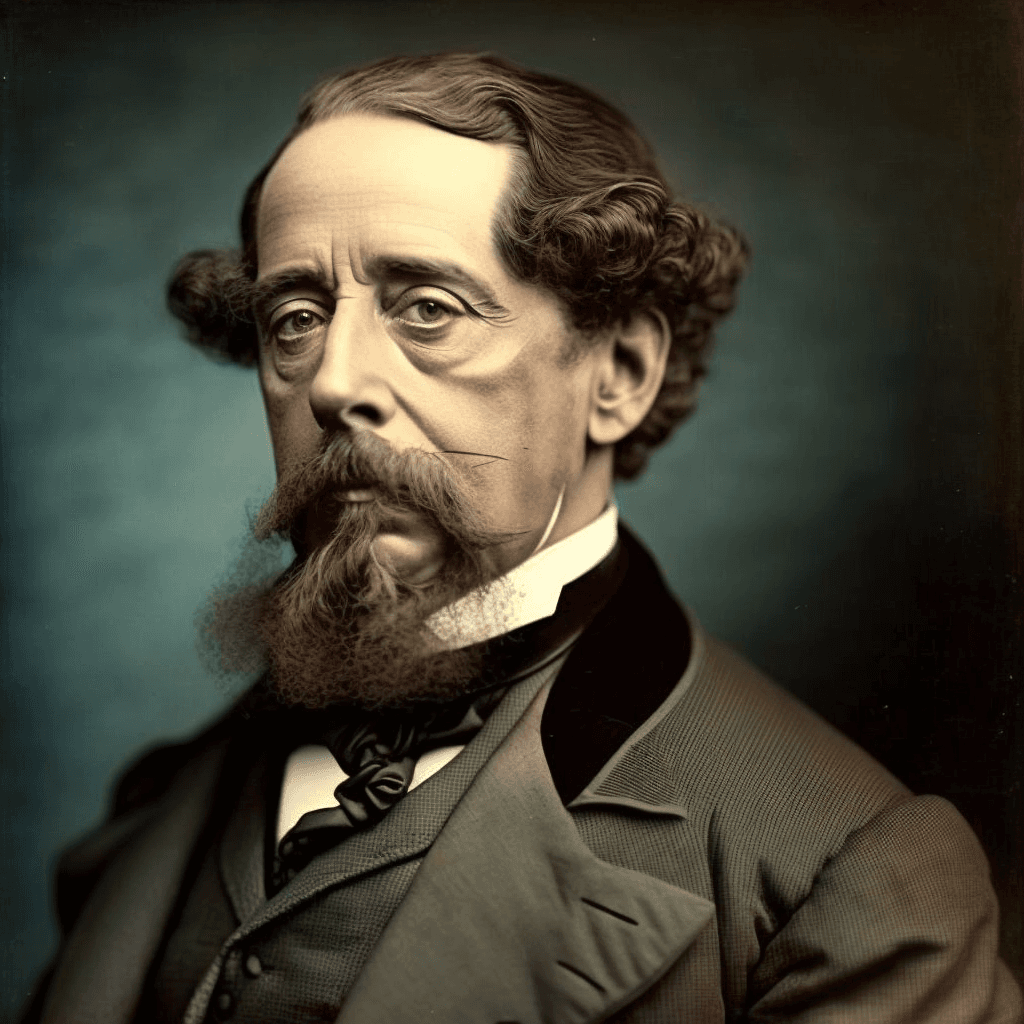
1812–1870
Novelist • Social Observer • Storyteller
Charles Dickens was born in Portsmouth in 1812 to a clerk in the Navy Pay Office whose financial instability would shadow the boy's childhood. When his father was imprisoned for debt, twelve-year-old Charles was sent to work in a boot-blacking factory—a humiliation he never fully disclosed but which sharpened his sympathy for the poor. He later trained as a court reporter and parliamentary shorthand writer, skills that gave him an ear for speech and an eye for institutional absurdity.
Dickens burst onto the literary scene with The Pickwick Papers in 1836 and never looked back. Novels such as Oliver Twist, David Copperfield, Bleak House, and Great Expectations appeared in monthly installments, turning reading into a shared national ritual. His characters—Scrooge, Miss Havisham, Fagin—became shorthand for social types, while his public readings packed theaters from London to America and earned sums that rivaled those of any industrial magnate.
Beyond fiction, Dickens edited journals, campaigned for sanitary reform and education, and toured relentlessly despite failing health. He died in 1870 at Gad's Hill Place, leaving The Mystery of Edwin Drood unfinished. Victorian England had found in him both its greatest entertainer and its most persistent moral witness against the cruelties of industrial society.
1812 — Born in Portsmouth. Born Charles John Huffam Dickens; family moved frequently before settling in London.
1836 — Pickwick Papers Success. First novel brought sudden fame and launched a prolific decade of serial publication.
1843 — A Christmas Carol. Published the novella that redefined Christmas charity in Britain and abroad.
1859 — A Tale of Two Cities. Released his historical novel of the French Revolution to enormous sales.
1870 — Death at Gad's Hill. Died after a stroke, mourned across the English-speaking world.
Key moments across this figure's life and legacy
1812
Born Charles John Huffam Dickens; family moved frequently before settling in London.
1836
First novel brought sudden fame and launched a prolific decade of serial publication.
1843
Published the novella that redefined Christmas charity in Britain and abroad.
1859
Released his historical novel of the French Revolution to enormous sales.
1870
Died after a stroke, mourned across the English-speaking world.
Landmarks that define this figure's contribution to history
Pioneered mass-market fiction that linked entertainment with reform of workhouses, courts, and schools.
Created enduring figures from Ebenezer Scrooge to Pip whose names entered everyday language.
Transformed author performances into lucrative, theatrical events that expanded the reach of literature.
Used Household Words and personal advocacy to press for public health and child-labor improvements.
Notable details about this historical figure
How this figure shaped the world we inherit
Dickens made the novel a vehicle for middle-class conscience at the height of the Industrial Revolution. His depictions of debtors' prisons, orphanages, and polluted cities influenced reform legislation and shaped how generations imagined Victorian London. The global endurance of his stories—from stage adaptations to film—keeps his critique of greed and neglect alive in popular culture.
Enduring influence across generations
Dickens made the novel a vehicle for middle-class conscience at the height of the Industrial Revolution. His depictions of debtors' prisons, orphanages, and polluted cities influenced reform legislation and shaped how generations imagined Victorian London. The global endurance of his stories—from stage adaptations to film—keeps his critique of greed and neglect alive in popular culture. Death at Gad's Hill (1870) remains a defining moment in Charles Dickens's enduring reputation.
Explore more profiles from the same era or field
Curated educational resources for further study
Start a private conversation and explore their wisdom through Historical Collection AI.