Detection of Radio Waves
Generated and measured electromagnetic waves, verifying Maxwell's equations experimentally for the first time.
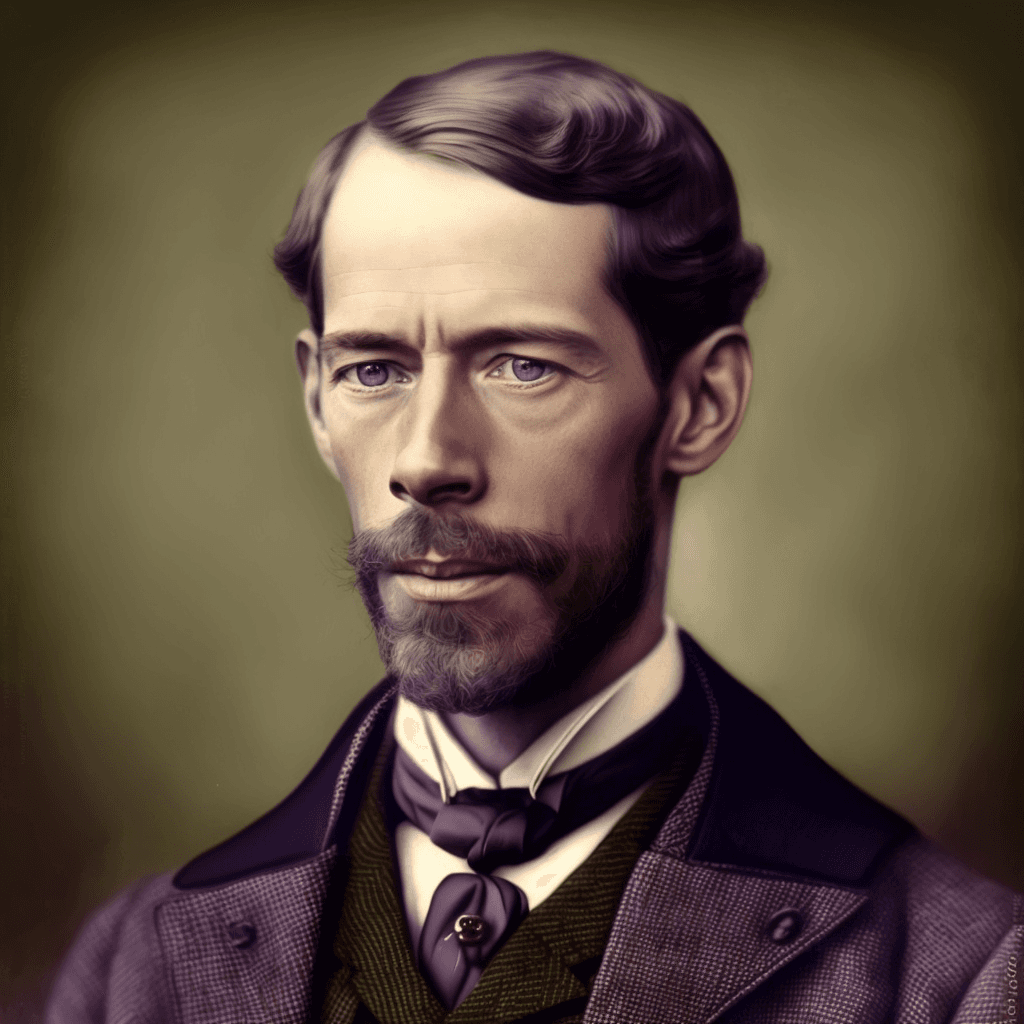
1857–1894
Physicist • Pioneer of Electromagnetic Waves
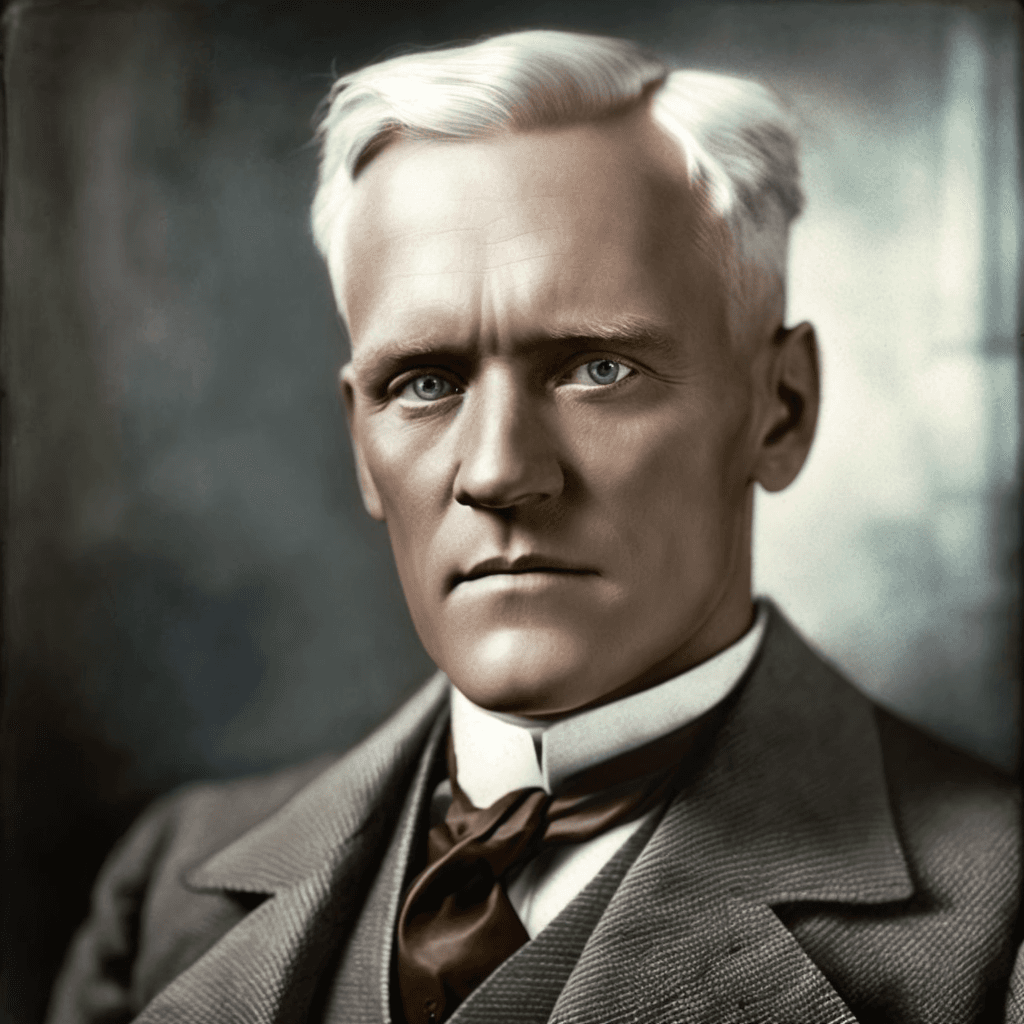
Heinrich Rudolf Hertz was born in 1857 in Hamburg into a prosperous Jewish family that converted to Lutheranism; his father was a lawyer and later a senator. He studied engineering in Dresden and Munich before turning to physics under Hermann von Helmholtz at the University of Berlin, where he earned a doctorate in 1880 with a thesis on electromagnetic induction in rotating spheres. Hertz held posts in Kiel, Karlsruhe, and Bonn, earning a reputation for experimental clarity and theoretical restraint. Colleagues admired his ability to strip a problem to essentials and build apparatus that answered one precise question at a time.
In Karlsruhe between 1886 and 1889 Hertz constructed oscillating electric circuits that radiated energy across his laboratory. Using spark-gap transmitters and loop receivers, he detected standing waves, measured their wavelength and speed, and showed that they reflect, refract, and polarize like light. These results provided the first direct proof of Maxwell's prediction that electromagnetic disturbances propagate through space at the speed of light. Hertz also discovered the photoelectric effect, noting that ultraviolet light facilitates electrical discharge—a phenomenon later central to quantum theory, though Hertz himself did not pursue its theoretical implications.
Hertz accepted a chair at the University of Bonn in 1889 and began synthesizing his findings into the influential treatise Electric Waves, published posthumously. He died of granulomatosis in 1894 at only thirty-six, leaving a widow and two daughters; his early death cut short a career that had already reshaped physics. Within a decade Guglielmo Marconi, Oliver Lodge, and others adapted Hertzian wave principles to wireless telegraphy, transforming the laboratory curiosity into global communication. The unit of frequency bears his name, and his experiments remain the textbook demonstration that light is an electromagnetic phenomenon.
1857 — Born in Hamburg. Raised in a cultured Hanseatic family before studying engineering and physics.
1880 — Doctorate under Helmholtz. Completed doctoral research on electromagnetic induction at the University of Berlin.
1886 — Karlsruhe Experiments Begin. Started the spark-gap apparatus work that detected Maxwellian waves.
1888 — Published Wave Findings. Announced experimental confirmation that electric disturbances propagate as waves.
1894 — Death in Bonn. Died at thirty-six, shortly after moving to Bonn and before wireless telegraphy exploded.
Key moments across this figure's life and legacy
1857
Raised in a cultured Hanseatic family before studying engineering and physics.
1880
Completed doctoral research on electromagnetic induction at the University of Berlin.
1886
Started the spark-gap apparatus work that detected Maxwellian waves.
1888
Announced experimental confirmation that electric disturbances propagate as waves.
1894
Died at thirty-six, shortly after moving to Bonn and before wireless telegraphy exploded.
Landmarks that define this figure's contribution to history
Generated and measured electromagnetic waves, verifying Maxwell's equations experimentally for the first time.
Showed that radiated waves travel at light speed and behave optically when reflected or refracted.
Documented that ultraviolet radiation affects electrical discharge, later foundational to quantum physics.
Summarized experimental methods and results in a work that guided early wireless researchers.
Notable details about this historical figure
How this figure shaped the world we inherit
Hertz bridged nineteenth-century field theory and twentieth-century telecommunications by proving that invisible waves could be produced and measured at will. Every radio, radar, and Wi-Fi system descends from his Karlsruhe benches, and his work anchored Maxwell's mathematics in repeatable experiment at a pivotal moment for physics.
Enduring influence across generations
Hertz bridged nineteenth-century field theory and twentieth-century telecommunications by proving that invisible waves could be produced and measured at will. Every radio, radar, and Wi-Fi system descends from his Karlsruhe benches, and his work anchored Maxwell's mathematics in repeatable experiment at a pivotal moment for physics. Death in Bonn (1894) remains a defining moment in Heinrich Hertz's enduring reputation.
Explore more profiles from the same era or field
Curated educational resources for further study
Start a private conversation and explore their wisdom through Historical Collection AI.