First Temple in Jerusalem
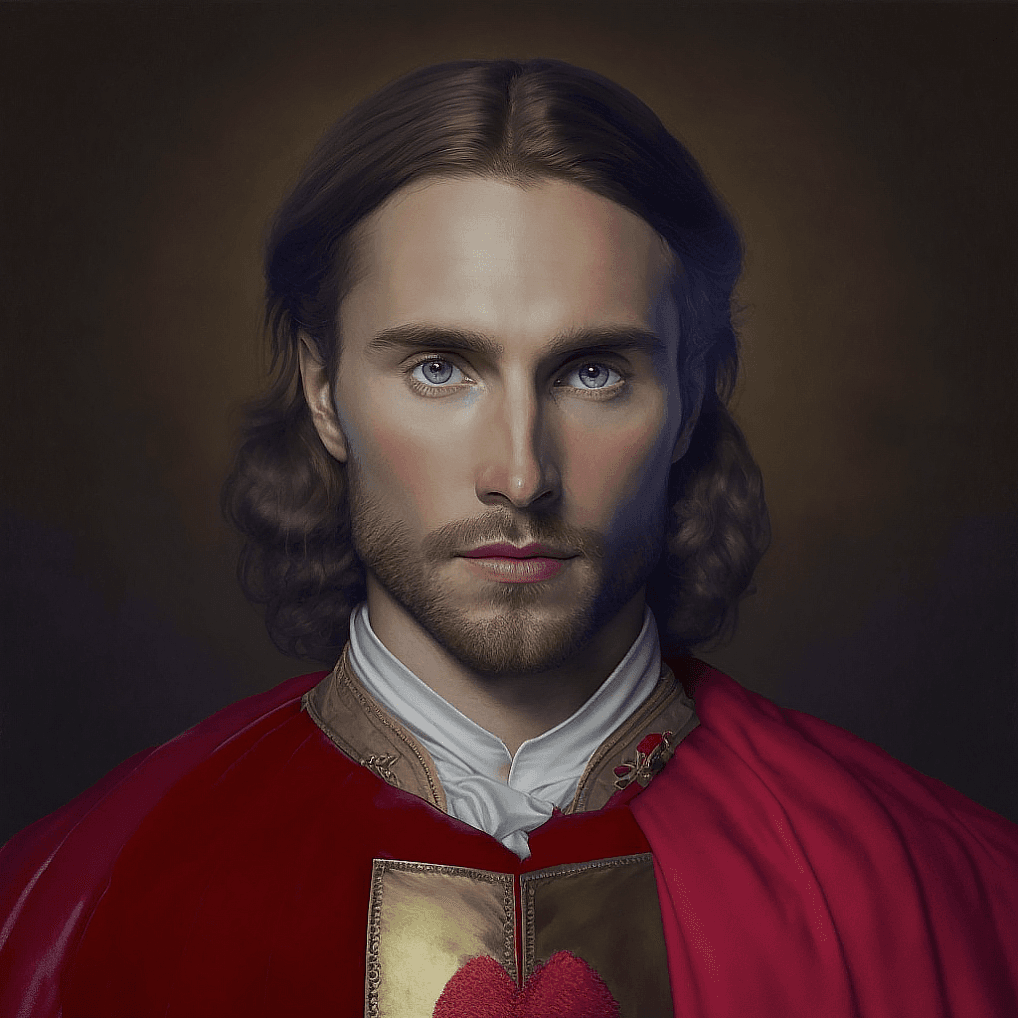
Solomon organized labor and materials to build a permanent central sanctuary, anchoring worship in the royal capital.
c. 990–931 BC
King • Wise Ruler • Biblical Figure
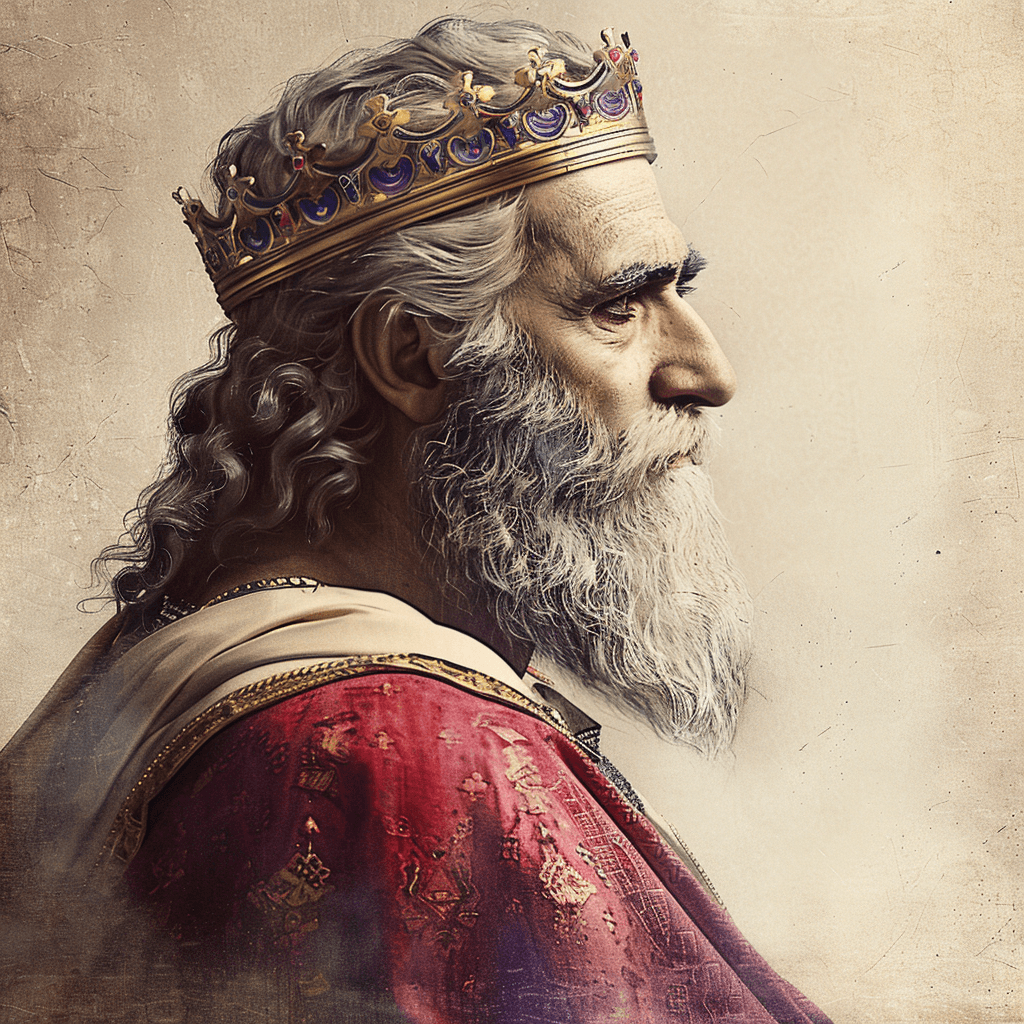
Solomon appears in the Hebrew Bible as the tenth-century BC king who inherited David's throne over Israel and Judah. According to First Kings, he prayed for wisdom rather than wealth and received both, governing through renowned judgments such as the dispute over two mothers claiming one child. His reign is associated with administrative expansion, trade networks reaching Ophir, and the construction of the First Temple in Jerusalem.
Biblical narrative credits Solomon with composing proverbs and songs, and later Jewish, Christian, and Islamic traditions attribute the biblical books of Proverbs, Ecclesiastes, and Song of Solomon to him. The Queen of Sheba's visit symbolized international recognition of his court. Yet the same sources describe heavy taxation, forced labor, and foreign alliances sealed by marriage that violated Deuteronomic ideals.
After Solomon's death around 931 BC, the kingdom split between Rehoboam in Judah and Jeroboam in Israel. Whether read as history or theological portrait, Solomon became the archetype of wise rulership—and a cautionary example of how splendor can corrode unity.
c. 970 BC — Accession to the Throne. Solomon succeeded David after a contested succession resolved with support from the prophet Nathan and priest Zadok.
c. 960 BC — Temple Construction. Work on the Jerusalem Temple, using cedar from Lebanon and skilled craftsmen, occupied much of his early reign.
c. 950 BC — Peak of the Monarchy. Trade, building projects, and international contacts marked the height of united Israelite power in biblical narrative.
c. 931 BC — Death and Division. Solomon's passing triggered rebellion against his son Rehoboam and the split into northern Israel and southern Judah.
Key moments across this figure's life and legacy
c. 970 BC
Solomon succeeded David after a contested succession resolved with support from the prophet Nathan and priest Zadok.
c. 960 BC
Work on the Jerusalem Temple, using cedar from Lebanon and skilled craftsmen, occupied much of his early reign.
c. 950 BC
Trade, building projects, and international contacts marked the height of united Israelite power in biblical narrative.
c. 931 BC
Solomon's passing triggered rebellion against his son Rehoboam and the split into northern Israel and southern Judah.
Landmarks that define this figure's contribution to history
Solomon organized labor and materials to build a permanent central sanctuary, anchoring worship in the royal capital.
Biblical accounts describe twelve administrative districts, chariot forces, and trade routes that integrated Israel into regional commerce.
Later tradition linked Solomon to Proverbs, Ecclesiastes, and Song of Songs, shaping Jewish and Christian ideas of sapiential kingship.
The visit of the Queen of Sheba in scripture symbolized Solomon's reputation for learning and wealth across the ancient Near East.
Notable details about this historical figure
How this figure shaped the world we inherit
Solomon became the benchmark for wise governance in Jewish, Christian, and Islamic thought, while archaeological debate continues over the scale of his kingdom. His attributed writings and temple project shaped Western concepts of sacred architecture, justice, and the moral limits of royal power.
Enduring influence across generations
Solomon became the benchmark for wise governance in Jewish, Christian, and Islamic thought, while archaeological debate continues over the scale of his kingdom. His attributed writings and temple project shaped Western concepts of sacred architecture, justice, and the moral limits of royal power. Death and Division (c. 931 BC) remains a defining moment in King Solomon's enduring reputation.
Explore more profiles from the same era or field
Curated educational resources for further study
Start a private conversation and explore their wisdom through Historical Collection AI.