
First African American Professional Nurse
Graduated in 1879 from the New England Hospital for Women and Children as the first Black woman with formal nursing credentials in the U.S.
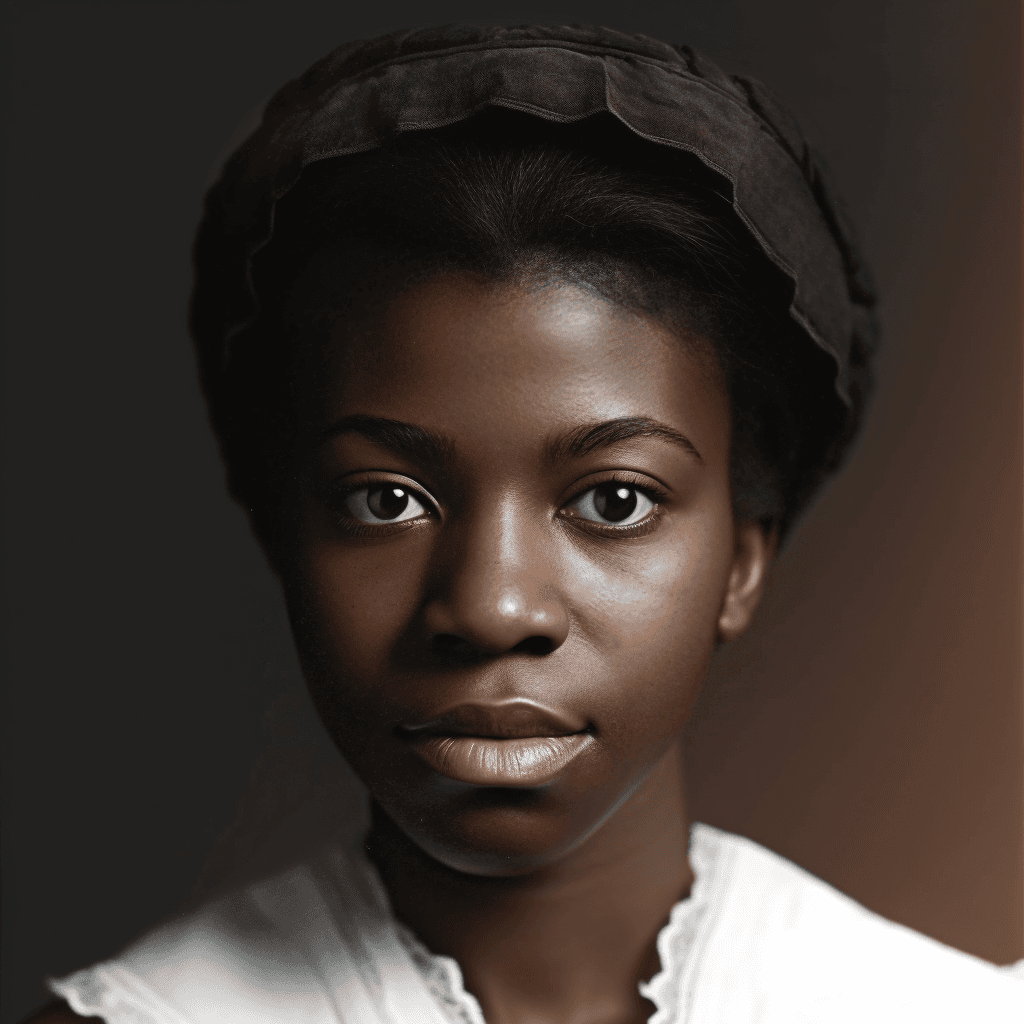
1845–1926
Nurse • First African American Professional Nurse in the U.S.
Mary Eliza Mahoney was born on 7 May 1845 in Boston, Massachusetts, the eldest of three children in a free Black family that had migrated from North Carolina. She attended Phillips School in Boston and worked from adolescence in domestic service, gaining familiarity with household medicine and caregiving long before formal training existed for women like her. In 1878 she entered the rigorous nursing program at the New England Hospital for Women and Children, one of few institutions willing to admit Black applicants, and completed sixteen months of ward duty, lectures, and supervised practice. When she graduated in 1879, she became the first African American woman in the United States to earn professional nursing credentials recognized by a hospital training school.
Mahoney practiced private-duty nursing rather than institutional employment, serving wealthy Boston families who requested her by name for postoperative care and chronic illness management. Her reputation for calm competence under pressure helped counter stereotypes that barred Black women from skilled medical roles. She joined the newly formed Nurses Associated Alumnae of the United States and Canada—later the American Nurses Association—and co-founded the National Association of Colored Graduate Nurses in 1908 when segregation excluded Black nurses from full participation in mainstream professional bodies. She served as the NACGN's first treasurer and later honorary president, advocating for equal training opportunities, fair wages, and recognition of Black nurses in military and public health service.
Mahoney retired from active nursing in the mid-1910s but remained an organizer until her death on 4 January 1926 in Boston. She supported women's suffrage and civil rights causes, linking healthcare equity to broader struggles for citizenship. The NACGN established the Mary Mahoney Award in her honor, and the American Nurses Association inducted her into its Hall of Fame. Historians of American medicine cite her graduation as a milestone in dismantling racial barriers in nursing education, even though segregation persisted for decades afterward. Her career demonstrates how individual excellence within discriminatory systems could create pathways for successors, and nursing schools today study her as a pioneer whose private-duty success challenged assumptions about who could hold professional medical authority.
1845 — Born in Boston. Born into a free Black family in Massachusetts before the Civil War.
1879 — Nursing Graduation. Completed hospital training and became the first African American woman credentialed as a professional nurse.
1908 — NACGN Founded. Co-founded the National Association of Colored Graduate Nurses amid segregated professional organizations.
1911 — Suffrage March. Participated in the women's suffrage movement, linking nursing advocacy to voting rights.
1926 — Death in Boston. Died after decades of nursing practice and civil rights organizing.
Key moments across this figure's life and legacy
1845
Born into a free Black family in Massachusetts before the Civil War.
1879
Completed hospital training and became the first African American woman credentialed as a professional nurse.
1908
Co-founded the National Association of Colored Graduate Nurses amid segregated professional organizations.
1911
Participated in the women's suffrage movement, linking nursing advocacy to voting rights.
1926
Died after decades of nursing practice and civil rights organizing.
Landmarks that define this figure's contribution to history
Graduated in 1879 from the New England Hospital for Women and Children as the first Black woman with formal nursing credentials in the U.S.
Helped establish the National Association of Colored Graduate Nurses to advocate for Black nursing professionals.
Built a distinguished private nursing career in Boston that challenged racial exclusion from skilled medical work.
Supported suffrage and equal opportunity campaigns linking healthcare equity to broader citizenship struggles.
Notable details about this historical figure
How this figure shaped the world we inherit
Mahoney opened a professional path in American nursing for African American women at a time when hospitals and associations routinely excluded them. Her co-founding of the NACGN provided institutional voice for Black nurses, and her example remains central to histories of healthcare equity, professional credentialing, and the long struggle against segregation in medicine.
Enduring influence across generations
Mahoney opened a professional path in American nursing for African American women at a time when hospitals and associations routinely excluded them. Her co-founding of the NACGN provided institutional voice for Black nurses, and her example remains central to histories of healthcare equity, professional credentialing, and the long struggle against segregation in medicine. Death in Boston (1926) remains a defining moment in Mary Eliza Mahoney's enduring reputation.
Explore more profiles from the same era or field
Curated educational resources for further study
Start a private conversation and explore their wisdom through Historical Collection AI.


