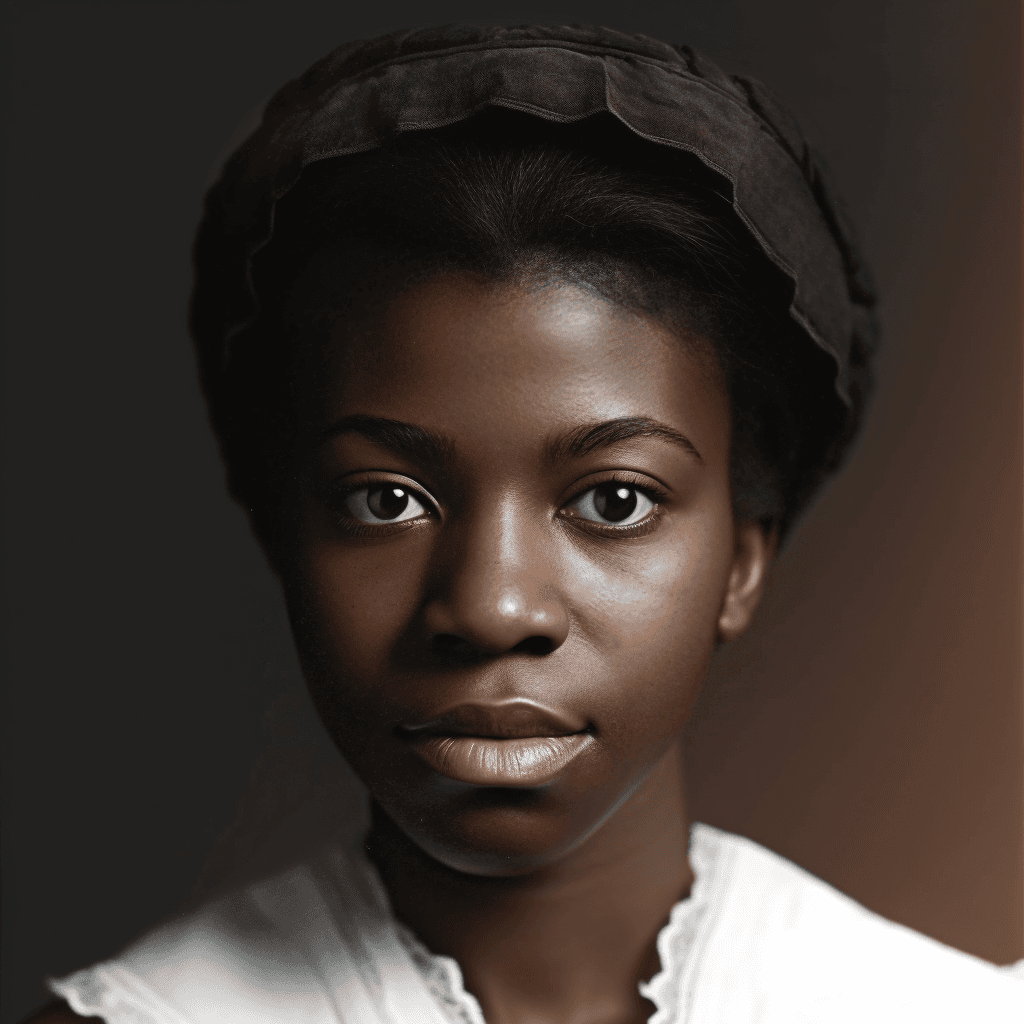
Construction of the Ark
Built the vessel that preserved his family and animal pairs through the great flood in Genesis tradition.

Antiquity (traditional)
Patriarch • Builder of the Ark
Noah appears in the Book of Genesis as a righteous man in a corrupt age, chosen by God to survive a worldwide flood that destroys humanity except for his family and paired animals aboard an ark. Traditional chronology places him tenth from Adam, father of Shem, Ham, and Japheth, whose descendants populate nations in the Table of Nations that follows the flood narrative. Genesis describes him as a farmer who "walked with God" when violence filled the earth, and commands him to build a vessel of gopher wood sealed with pitch, collecting creatures two by two—or seven pairs of clean animals—for preservation through forty days and nights of rain.
When waters recede, Noah sends a raven and then a dove to find dry land; the dove's return with an olive branch becomes one of civilization's most enduring symbols of peace after catastrophe. He offers sacrifice upon leaving the ark, and God establishes a covenant never again to destroy the earth by flood, setting the rainbow as sign. The narrative also records Noah's planting of a vineyard, his drunkenness, and the curse upon Canaan through Ham—passages that later interpreters debated for moral and ethnic implications. Flood stories parallel Mesopotamian accounts such as the Epic of Gilgamesh, suggesting shared ancient Near Eastern memory even as Genesis frames the event within monotheistic covenant theology.
Jewish, Christian, and Islamic traditions honor Noah as prophet and builder, and flood motifs recur in art from medieval mosaics to modern children's illustrations. Early Christian writers read the ark as typology of the Church saving believers; Islamic hadith enumerate Noah's long preaching before the deluge. Renaissance cartographers placed Noah's sons on world maps dividing continents among peoples. Modern geology rejects a universal flood as literal history, yet Noah's ark remains a cultural reference for refuge, animal preservation, and environmental warning. Creation museums and literary retellings keep the story vivid, while comparative mythologists study it alongside other deluge traditions. As symbol rather than datable biography, Noah embodies humanity's reckoning with divine judgment, survival, and the promise of renewal after ruin.
Antiquity — Age of Corruption. Lived in a generation judged violent and corrupt before the flood narrative.
Antiquity — Ark Command and Building. Received divine instruction to construct the ark and gather animals for preservation.
Antiquity — The Flood. Survived forty days and nights of rain aboard the ark while waters covered the earth.
Antiquity — Dove and Olive Branch. Sent birds to test for dry land; the dove's olive leaf signaled receding waters.
Antiquity — Covenant Established. Offered sacrifice and received the rainbow covenant after leaving the ark.
Key moments across this figure's life and legacy
Antiquity
Lived in a generation judged violent and corrupt before the flood narrative.
Antiquity
Received divine instruction to construct the ark and gather animals for preservation.
Antiquity
Survived forty days and nights of rain aboard the ark while waters covered the earth.
Antiquity
Sent birds to test for dry land; the dove's olive leaf signaled receding waters.
Antiquity
Offered sacrifice and received the rainbow covenant after leaving the ark.
Landmarks that define this figure's contribution to history
Built the vessel that preserved his family and animal pairs through the great flood in Genesis tradition.
Received God's promise never again to destroy the earth by flood, marked by the rainbow sign.
Repopulated the earth through his sons Shem, Ham, and Japheth according to genealogical tradition.
Embodied faithful obedience amid universal corruption, becoming a model of preservation through divine command.
Notable details about this historical figure
How this figure shaped the world we inherit
Noah's flood narrative shaped religious concepts of judgment, mercy, and covenant across Judaism, Christianity, and Islam, while paralleling ancient Mesopotamian deluge myths that inform comparative religion. The ark and rainbow remain powerful cultural symbols of refuge and renewal, influencing art, literature, and debates about environmental catastrophe and moral responsibility.
Enduring influence across generations
Noah's flood narrative shaped religious concepts of judgment, mercy, and covenant across Judaism, Christianity, and Islam, while paralleling ancient Mesopotamian deluge myths that inform comparative religion. The ark and rainbow remain powerful cultural symbols of refuge and renewal, influencing art, literature, and debates about environmental catastrophe and moral responsibility. Covenant Established (Antiquity) remains a defining moment in Noah's enduring reputation.
Explore more profiles from the same era or field
Curated educational resources for further study
Start a private conversation and explore their wisdom through Historical Collection AI.