Great Northern War Victory
Defeated Sweden and secured Baltic access, transforming Russia into a major European military power.
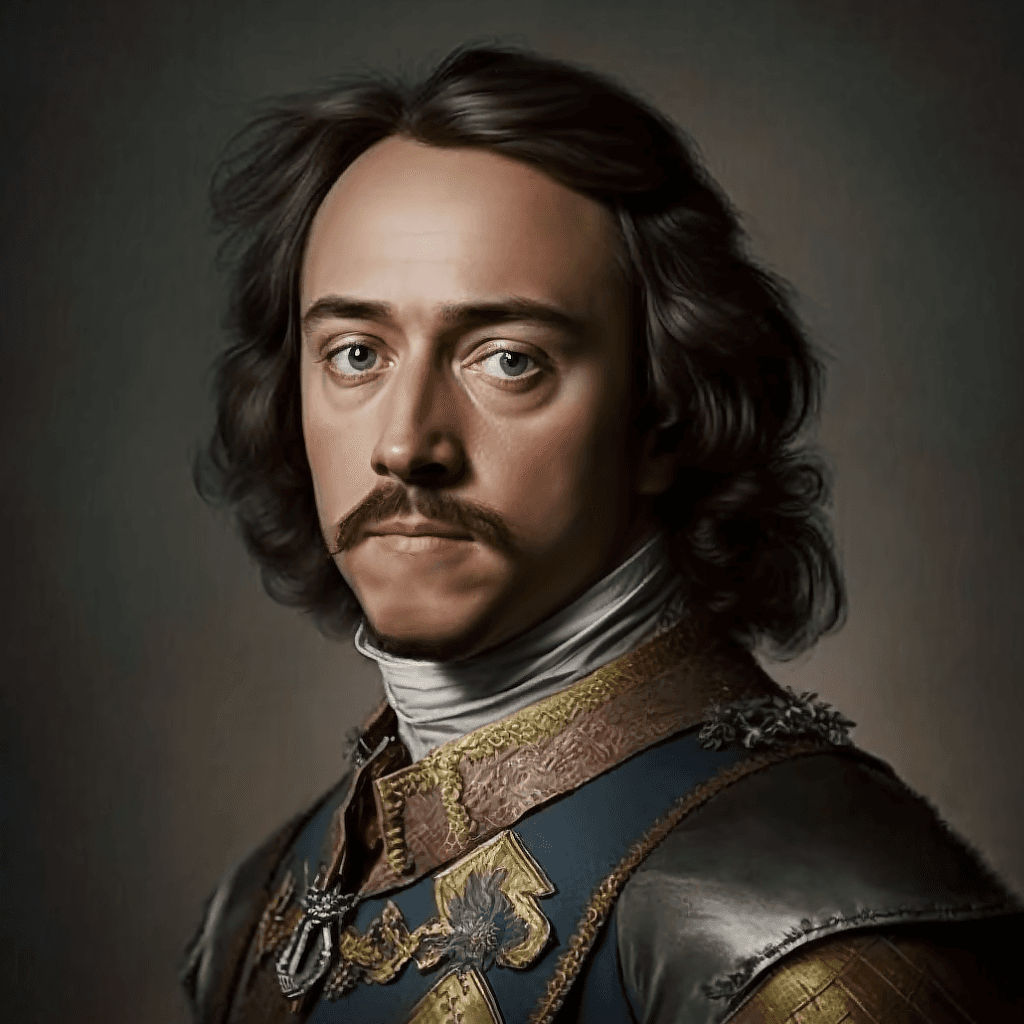
1672–1725
Tsar • Modernizer of Russia
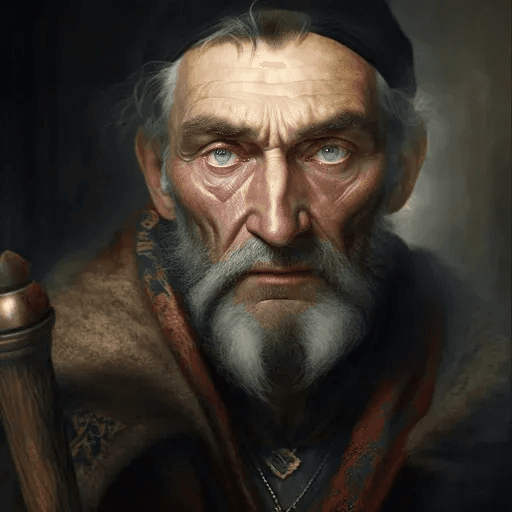
Peter Alexeyevich was born on 9 June 1672 in Moscow, son of Tsar Alexis, and shared power uneasily with his half-sister Sophia during a turbulent regency before asserting sole rule after the streltsy revolt. Towering physically—over six feet seven inches—and restless intellectually, Peter traveled incognito to Western Europe in 1697–1698 on the Grand Embassy, working as a shipwright in Dutch and English yards and importing craftsmen, officers, and ideas. He returned determined to reshape Russia's army, navy, taxation, and court culture along European lines, often using coercion against nobles who clung to beard and caftan traditions he mocked.
Peter defeated Sweden in the Great Northern War, capturing Baltic territories and declaring himself Emperor in 1721, a title signaling Russia's emergence as a European great power. He founded Saint Petersburg on Neva marshes in 1703, forcing laborers to build a window on the Baltic at enormous human cost, and moved the capital there in 1712. Reforms included the Table of Ranks, substituting service merit for birth; provincial governance overhaul; ecclesiastical subordination through the Holy Synod; and industrial projects from ironworks to textile mills. His methods were brutal—personally executing rebellious guards, torturing his rebellious son Alexei to death, and conscripting peasants as lifelong soldiers or laborers—yet he also promoted secular education and scientific instruments.
Peter died on 8 February 1725 without settling succession, triggering decades of palace coups. His westernizing project divided Russian culture between Europeanizing elites and populations bearing the burden of forced labor and taxation. Catherine the Great and later reformers invoked his example; Slavophiles criticized his destruction of old Muscovy. Saint Petersburg became a monument to his vision, its canals and baroque facades contrasting with Moscow's onion domes. Modern historians debate whether Peter's violence was necessary to leapfrog medieval structures or whether alternative paths existed, but none deny that he repositioned Russia from peripheral tsardom to imperial contender whose armies would shape European balance of power for two centuries.
1672 — Born in Moscow. Born into the Romanov dynasty during the late seventeenth century.
1697 — Grand Embassy. Traveled to Western Europe to study shipbuilding and military organization.
1703 — Saint Petersburg Founded. Ordered construction of a new city on the Neva River delta.
1721 — Proclaimed Emperor. Took the title Emperor of All Russia after victory over Sweden.
1725 — Death in Saint Petersburg. Died without a clear succession plan, leaving a transformed but exhausted empire.
Key moments across this figure's life and legacy
1672
Born into the Romanov dynasty during the late seventeenth century.
1697
Traveled to Western Europe to study shipbuilding and military organization.
1703
Ordered construction of a new city on the Neva River delta.
1721
Took the title Emperor of All Russia after victory over Sweden.
1725
Died without a clear succession plan, leaving a transformed but exhausted empire.
Landmarks that define this figure's contribution to history
Defeated Sweden and secured Baltic access, transforming Russia into a major European military power.
Established a new capital on the Baltic designed as Russia's window to Western Europe.
Built a modern army and navy modeled on European standards with conscription and officer training.
Introduced the Table of Ranks and governmental restructuring that weakened hereditary nobility in favor of service.
Notable details about this historical figure
How this figure shaped the world we inherit
Peter repositioned Russia from isolated tsardom to European imperial power through forced modernization, naval expansion, and a new capital oriented toward the West. His reforms accelerated military and bureaucratic development yet imposed severe human costs, and debates over his coercive westernization remain central to Russian national identity.
Enduring influence across generations
Peter repositioned Russia from isolated tsardom to European imperial power through forced modernization, naval expansion, and a new capital oriented toward the West. His reforms accelerated military and bureaucratic development yet imposed severe human costs, and debates over his coercive westernization remain central to Russian national identity. Death in Saint Petersburg (1725) remains a defining moment in Peter the Great's enduring reputation.
Explore more profiles from the same era or field
Curated educational resources for further study
Start a private conversation and explore their wisdom through Historical Collection AI.