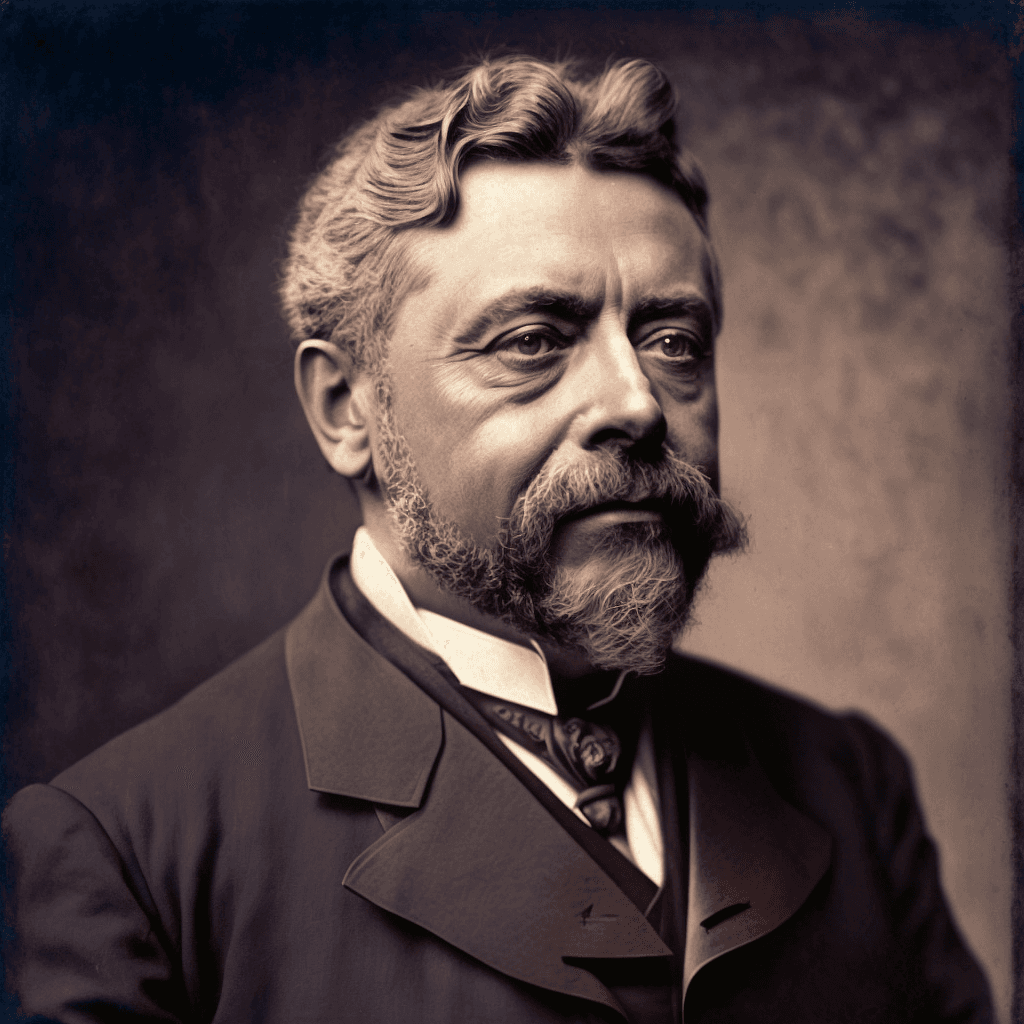
Invention of the Telephone
Patented the electrical transmission of speech in 1876, founding a global communications industry.
Discover
Explore influential historical figures from science, philosophy, leadership, art, and culture.
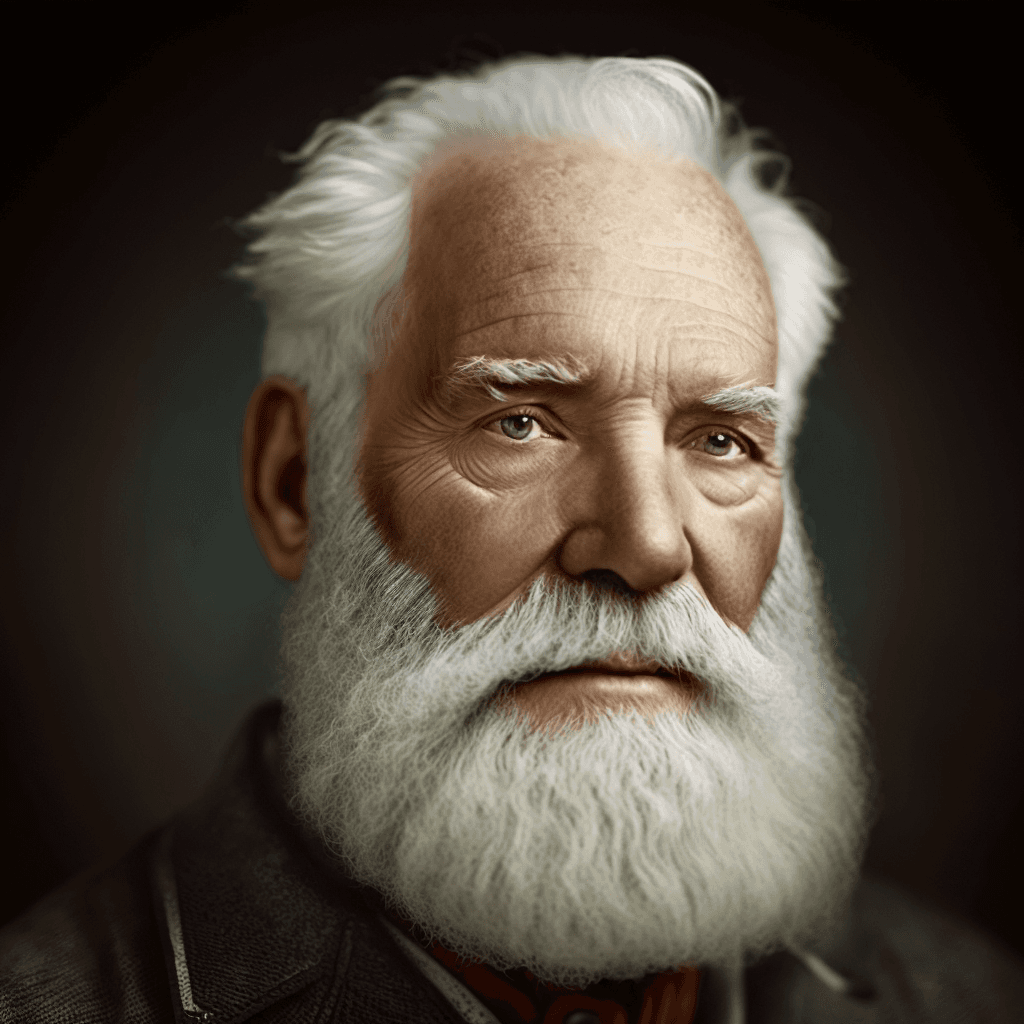
1847–1922
Inventor • Pioneer of the Telephone
This is a read-only educational profile. Chat, Council Mode, and AI features are not available for historical figures.
Alexander Graham Bell was born on 3 March 1847 in Edinburgh, Scotland, into a family obsessed with speech and hearing. His grandfather Alexander Bell had published works on elocution; his father Alexander Melville Bell invented Visible Speech, a notation system for teaching pronunciation to deaf students. Young Bell absorbed these methods, studied at Edinburgh University and University College London, and emigrated to Canada in 1870 before settling in Boston, where he taught speech to deaf pupils including Helen Keller's future teacher preparation networks. His mother's progressive deafness and his father's expertise made Bell view sound transmission not merely as engineering but as a humanitarian problem linking education, physiology, and invention.
Competing with other inventors in the race to transmit the human voice electrically, Bell worked with mechanic Thomas Watson in a Boston boardinghouse laboratory. On 10 March 1876 Bell spoke the famous words "Mr. Watson—come here—I want to see you" through the first intelligible telephone transmission. He received U.S. Patent 174,465 that same month, though priority disputes with Elisha Gray and others shadowed the invention's history for years. Bell founded the Bell Telephone Company, defended his patents in costly litigation, and demonstrated the telephone at the Centennial Exposition in Philadelphia. Wealth followed, yet Bell continued experimenting with photophones, tetrahedral kites, hydrofoil boats, and genetic studies of sheep at his estate Beinn Bhreagh in Nova Scotia.
Bell used his fortune and fame to support deaf education, co-founding the journal Science and helping organize the National Geographic Society, which he presided over from 1896 to 1904. He opposed sign language suppression in some institutional settings yet held complex views on deaf assimilation that later educators debated critically. He became a naturalized U.S. citizen, married Mabel Hubbard—a former deaf pupil—and raised a family while maintaining laboratories on both sides of the Atlantic. When he died on 2 August 1922 at Beinn Bhreagh, telephone networks spanned continents and undersea cables linked nations in near-instant speech. Bell transformed communication from written delay to vocal immediacy, reshaping business, journalism, diplomacy, and private life across the modern world.
Key moments across this figure's life and legacy
1847
Raised in a family of speech teachers and elocution scholars.
1876
Transmitted intelligible speech to Thomas Watson in Boston on 10 March.
1877
Founded the company that commercialized telephone service.
1896
Began leading the society that would popularize exploration and science.
1922
Died at Beinn Bhreagh as telephone systems linked cities worldwide.
Landmarks that define this figure's contribution to history
Patented the electrical transmission of speech in 1876, founding a global communications industry.
Applied family methods to teach deaf students articulation and lip-reading in Boston schools.
Organized the corporate structure that deployed telephone networks across North America.
Served as president and helped shape the society into a major scientific and educational institution.
How this figure shaped the world we inherit
Bell's telephone collapsed distance in human conversation, creating the infrastructure for twentieth-century telecommunications and the internet age that followed wire-based networks. His work also advanced education for deaf communities, leaving a contested but significant record in the history of disability and communication technology.
Explore more profiles from the same era or field
Curated educational resources for further study
Discover historical art and educational content on our media channels