Leader of Free France
Rallied resistance abroad and preserved French sovereignty when the Vichy regime collaborated with Germany.
Discover
Explore influential historical figures from science, philosophy, leadership, art, and culture.
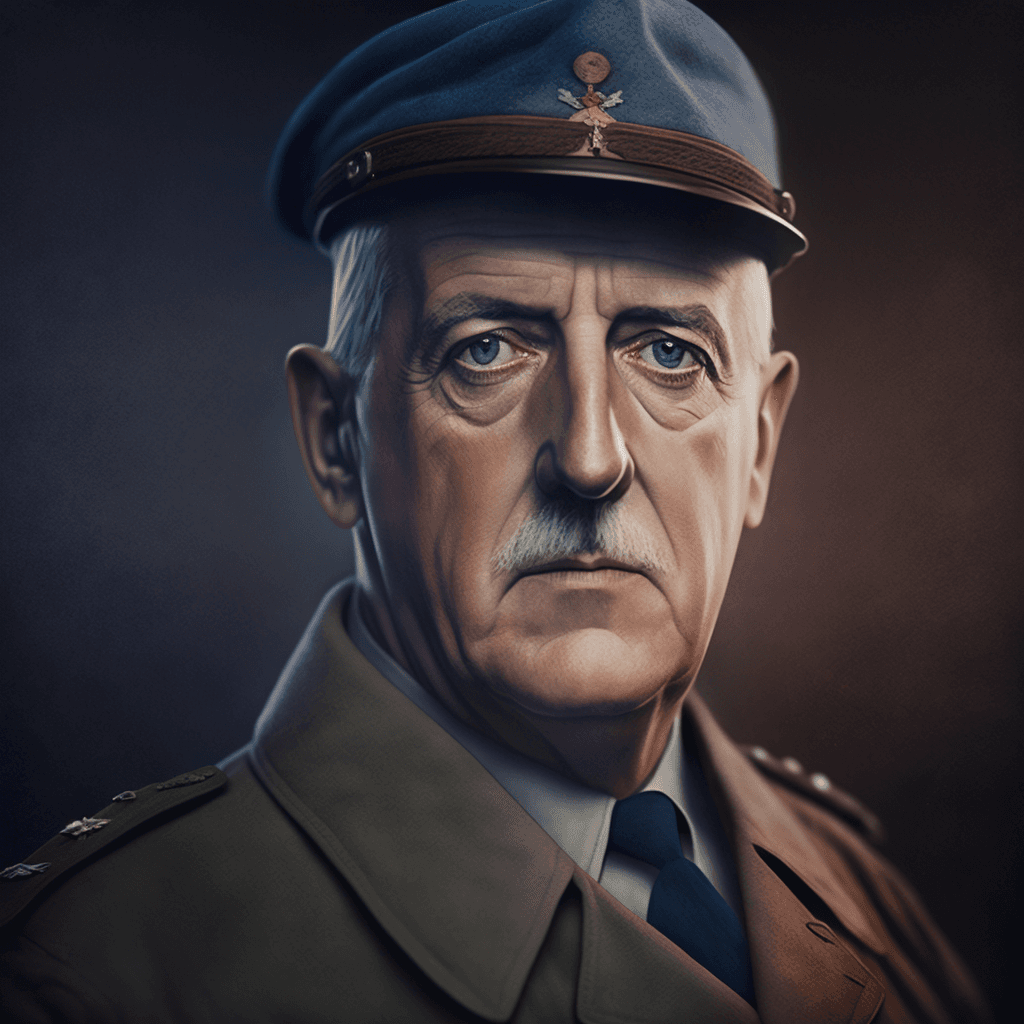
1890–1970
Statesman • General • President
This is a read-only educational profile. Chat, Council Mode, and AI features are not available for historical figures.
Charles de Gaulle was born in Lille in 1890 into a patriotic Catholic family that steeped him in French history and military tradition. He graduated from Saint-Cyr, served with distinction in the First World War—where he was wounded and captured at Verdun—and spent the interwar years writing about armored warfare while holding staff posts that kept him at the margins of official doctrine.
When France collapsed in June 1940, de Gaulle refused defeat. From London he broadcast the famous appeal of 18 June, insisting that France had lost a battle, not the war. As leader of Free France and later head of the provisional government, he balanced resistance politics, colonial questions, and the need to restore republican legitimacy after liberation. His abrupt resignation in 1946 reflected frustration with party fragmentation he believed weakened the nation.
Twelve years in the political wilderness ended when the Algerian crisis brought him back to power in 1958. He engineered a new constitution, founded the Fifth Republic with a strong executive presidency, granted Algerian independence after a brutal war, and pursued an independent foreign policy built around nuclear deterrence and skepticism toward American and Soviet dominance. He retired in 1969 after losing a referendum and died the following year at Colombey-les-Deux-Églises.
Key moments across this figure's life and legacy
1940
Broadcast from London calling on French soldiers and citizens to continue the fight.
1944
Entered the capital as head of the provisional government after Allied victory.
1958
Called back during the Algerian crisis and entrusted with constitutional reform.
1962
Signed agreement ending the Algerian War and recognizing Algerian independence.
1969
Stepped down after voters rejected regional reform in a referendum.
Landmarks that define this figure's contribution to history
Rallied resistance abroad and preserved French sovereignty when the Vichy regime collaborated with Germany.
Designed institutions that stabilized French politics after repeated postwar crises.
Built the force de frappe to assert strategic autonomy within the Cold War order.
Ended the Algerian War through negotiation, accepting decolonization despite fierce domestic opposition.
How this figure shaped the world we inherit
De Gaulle personified French recovery from occupation and empire into a modern European power. His constitutional legacy still governs France, while his insistence on national dignity and strategic independence shaped postwar diplomacy across Europe and the developing world. Admirers and critics alike measure French presidents against his towering, often uncompromising standard of statecraft.
Explore more profiles from the same era or field
Curated educational resources for further study
Discover historical art and educational content on our media channels