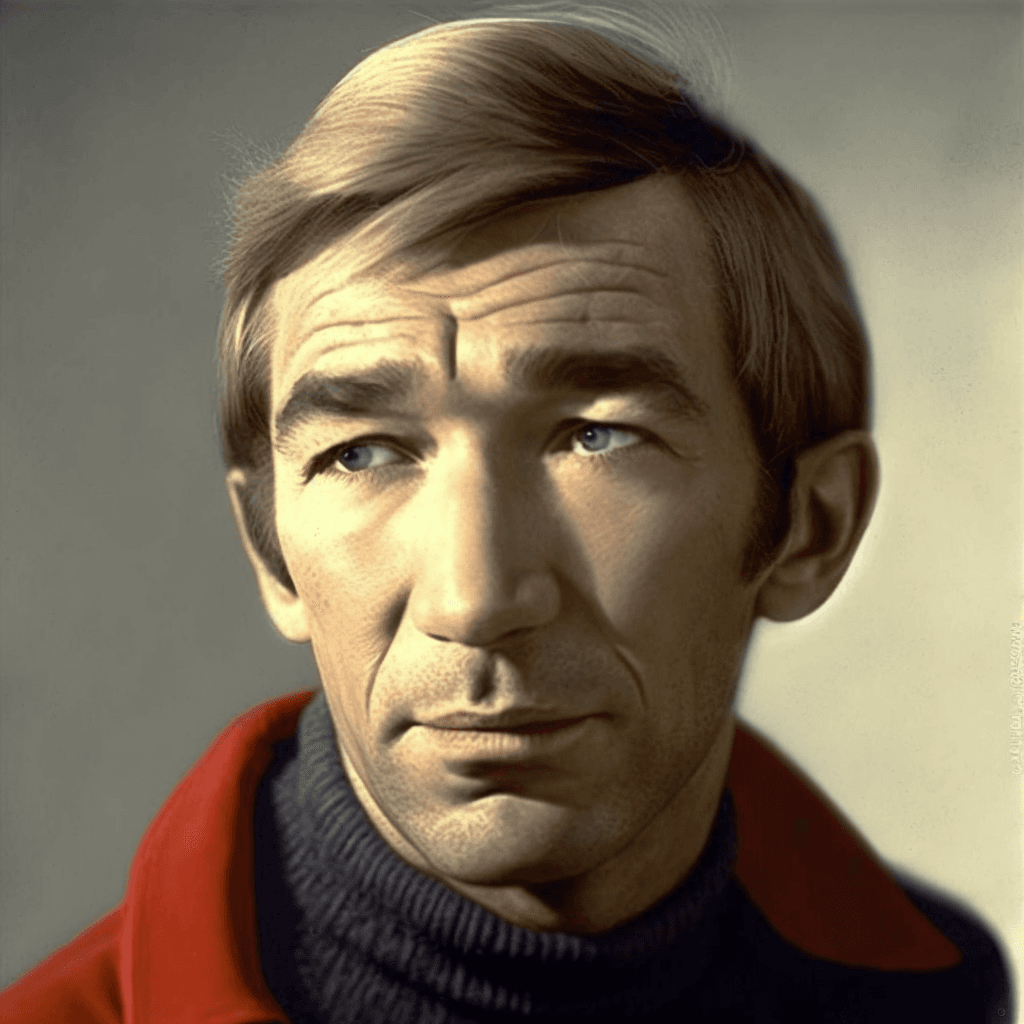
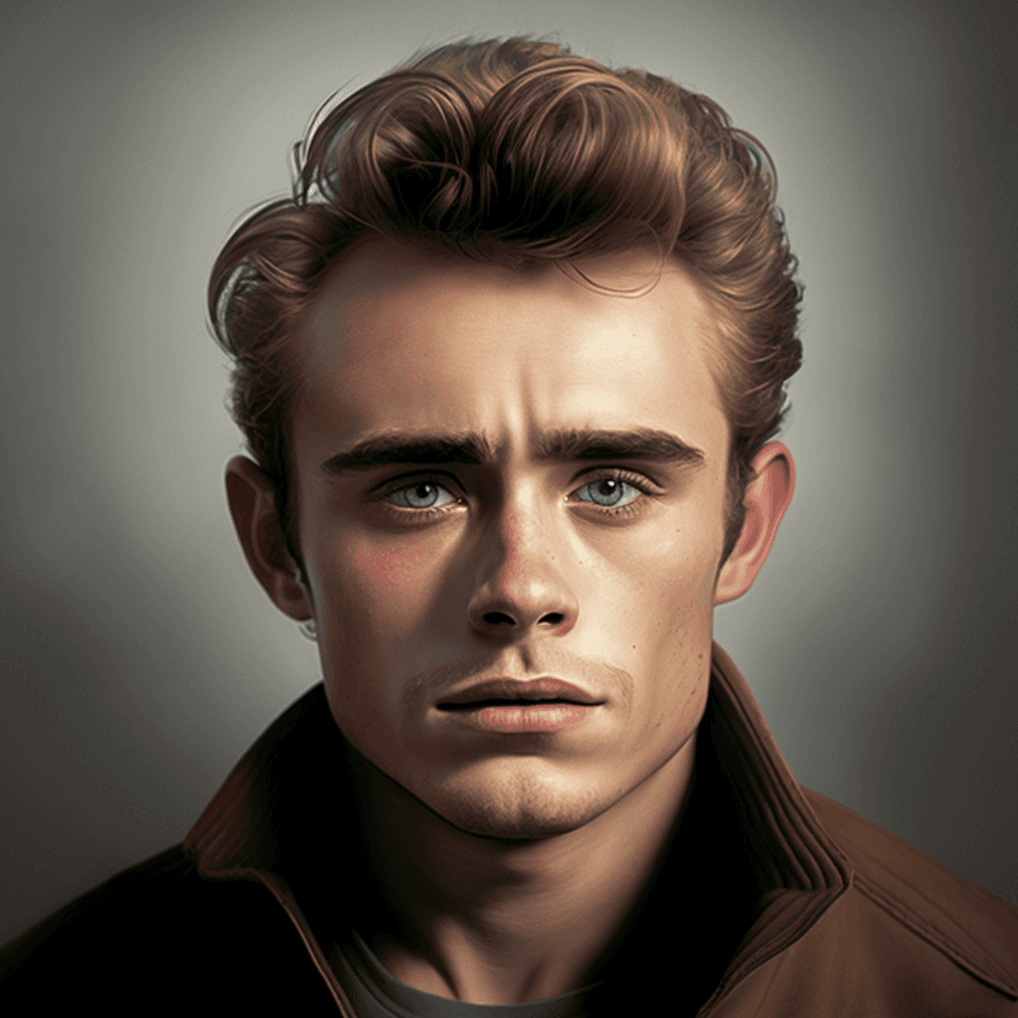
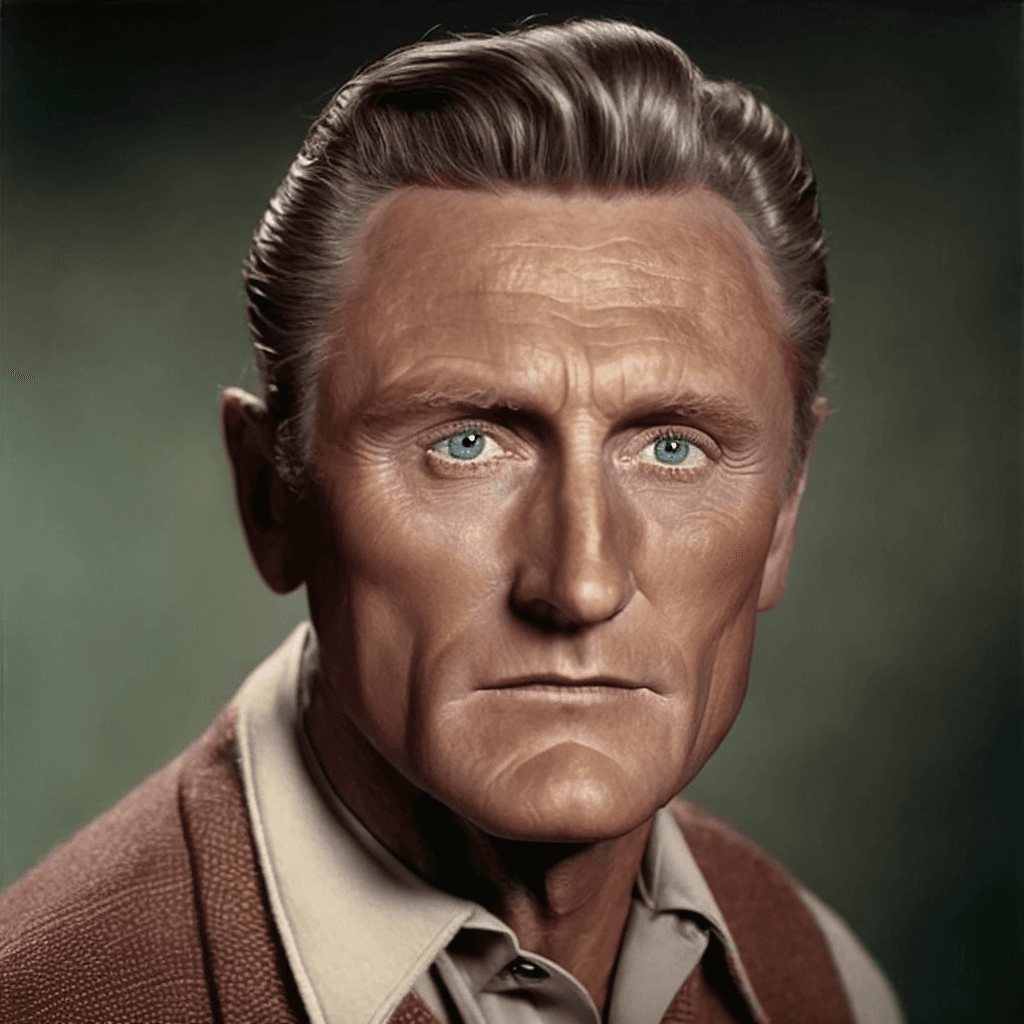
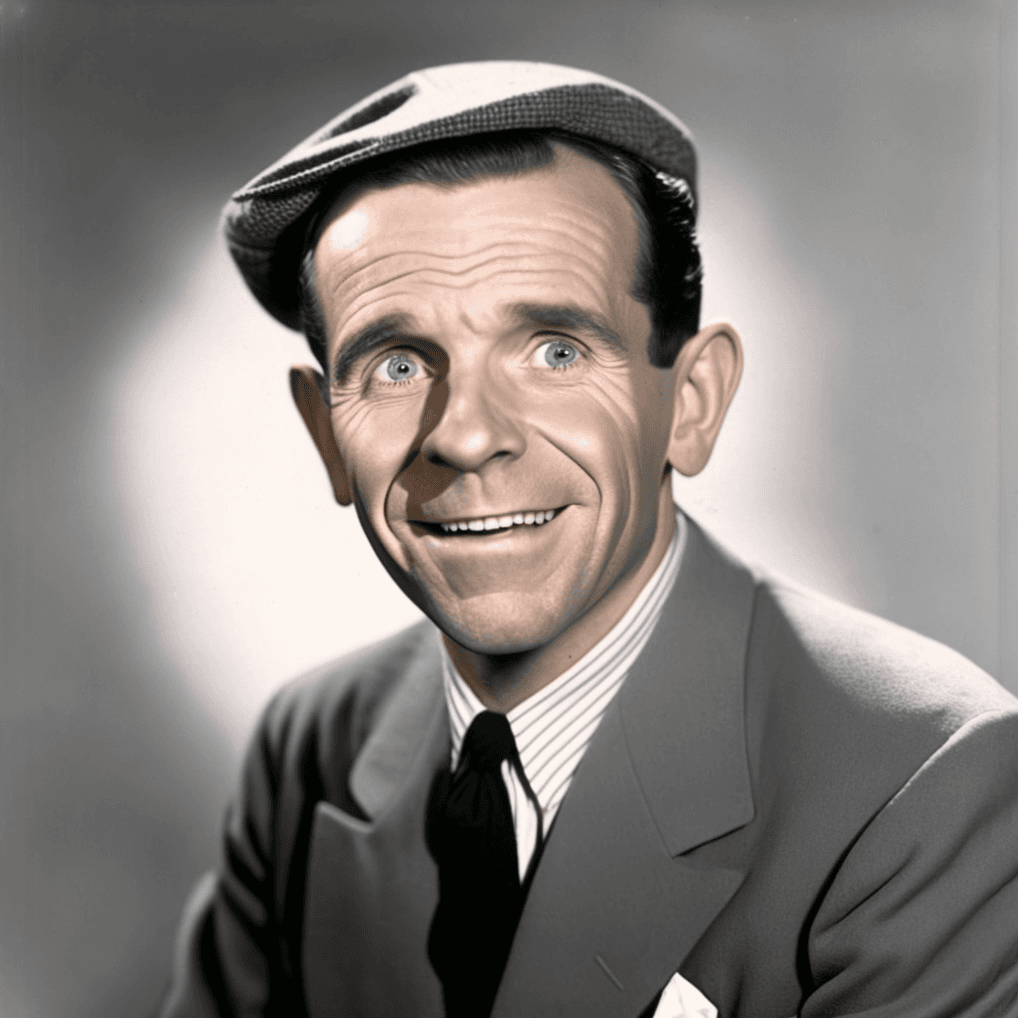
Academy Award for It Happened One Night
Won Best Actor in 1934 for a performance that defined screwball comedy and romantic chemistry.
Discover
Explore influential historical figures from science, philosophy, leadership, art, and culture.
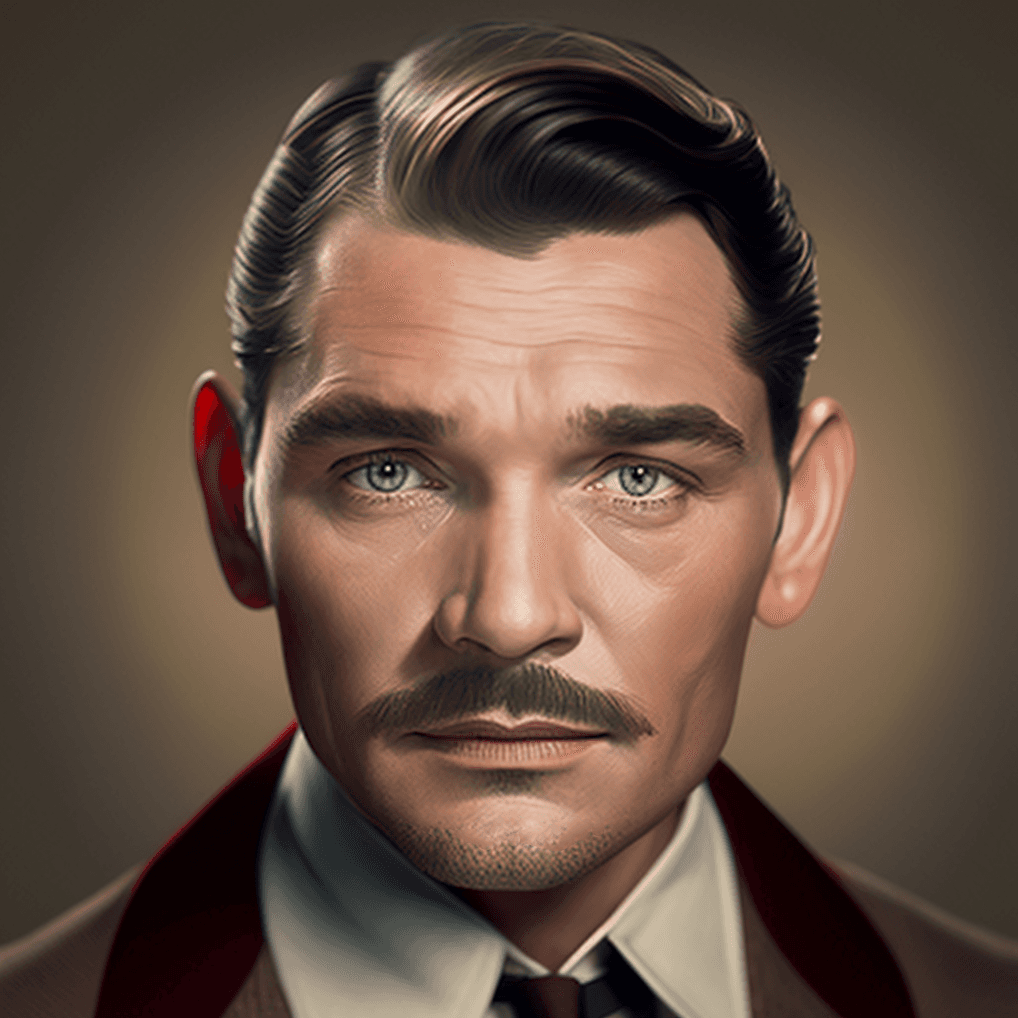
1901–1960
Actor • Hollywood Legend • King of Hollywood
This is a read-only educational profile. Chat, Council Mode, and AI features are not available for historical figures.
William Clark Gable was born on 1 February 1901 in Cadiz, Ohio, though he grew up largely in Hopedale after his mother died when he was ten months old. He quit school at sixteen, worked in oil fields and lumber camps, and drifted through odd jobs before a mentor in Portland, Oregon, encouraged his interest in theater. Gable learned stagecraft in stock companies, endured years of small roles, and honed the gravel voice, easy grin, and physical confidence that would define his screen persona. He married multiple times, including to Texas socialite Maria Langham, who helped finance his early career, and later to actress Carole Lombard, the great love of his public life.
MGM signed Gable in 1930, and within two years he became a national sensation in films such as Red Dust, Dancing Lady, and It Happened One Night, for which he won the Academy Award for Best Actor in 1934. Frank Capra's comedy paired him with Claudette Colbert and exploited his ability to mix rough charm with surprising tenderness. As Rhett Butler in Gone with the Wind (1939), Gable delivered one of cinema's most quoted lines and embodied a flawed romantic hero at the epic scale of Civil War myth. He starred opposite Jean Harlow, Greta Garbo, Joan Crawford, and Spencer Tracy, becoming so valuable that MGM lent him to other studios for record fees. Off screen he hunted, flew aircraft, and cultivated a masculine image that studios marketed as "the King of Hollywood."
Lombard's death in a 1942 plane crash while selling war bonds devastated Gable, who enlisted in the U.S. Army Air Forces and flew combat missions as a gunner over Europe despite being past draft age. After the war he returned to films including The Hucksters and Mogambo, aging into roles that acknowledged wrinkles without surrendering authority. He married Kay Williams and, while filming The Misfits with Marilyn Monroe and Montgomery Clift, suffered a heart attack; he died on 16 November 1960 ten days after the attack, before the film's release. Gable's death marked the passing of an era of studio star worship, yet his performances preserved the template of American male stardom—confident, witty, physically present—that successors from McQueen to Clooney would adapt for new generations.
Key moments across this figure's life and legacy
1901
Raised in rural Ohio and Pennsylvania before pursuing theater in the Pacific Northwest.
1931
Signed with Metro-Goldwyn-Mayer and rapidly became one of America's top box-office draws.
1939
Starred as Rhett Butler in Victor Fleming's epic adaptation of Margaret Mitchell's novel.
1942
Lost Carole Lombard in a plane crash and joined the Army Air Forces as a combat airman.
1960
Died of a heart attack days after filming with Marilyn Monroe in Nevada.
Landmarks that define this figure's contribution to history
Won Best Actor in 1934 for a performance that defined screwball comedy and romantic chemistry.
Played the iconic role in the highest-grossing film of its era, cementing global stardom.
Enlisted after Carole Lombard's death and flew bomber missions over Nazi-occupied Europe.
Headlined dozens of studio films that shaped the golden age of Hollywood marketing and fan culture.
How this figure shaped the world we inherit
Gable embodied the studio system's apex of male star power, blending working-class mannerisms with aristocratic poise in films that exported American glamour worldwide. His wartime enlistment and enduring screen presence helped link Hollywood celebrity to national identity during the mid-twentieth century.
Explore more profiles from the same era or field
Curated educational resources for further study
Discover historical art and educational content on our media channels