The Adventures of Tintin
Created twenty-four completed albums following a reporter and his companions across six decades of serial publication.
Discover
Explore influential historical figures from science, philosophy, leadership, art, and culture.

1907–1983
Cartoonist • Creator of Tintin
This is a read-only educational profile. Chat, Council Mode, and AI features are not available for historical figures.
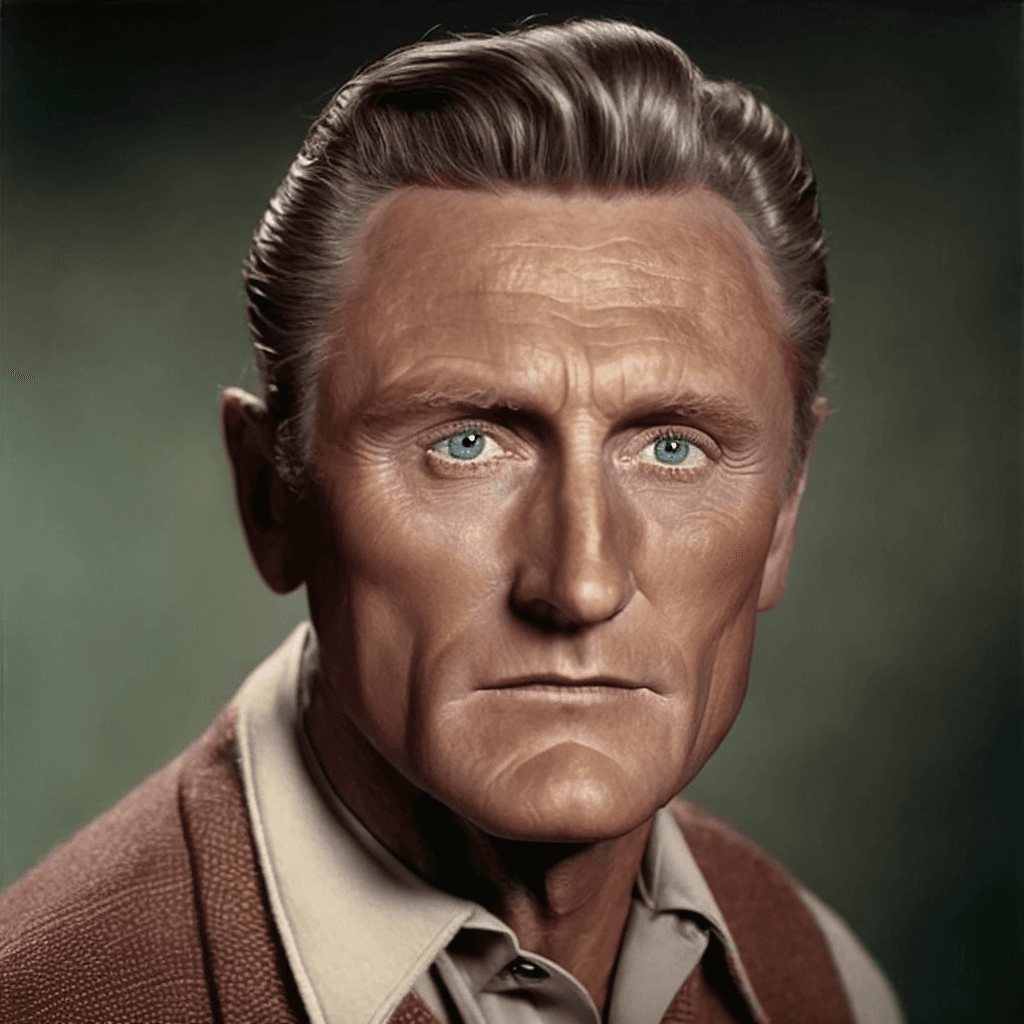
Georges Prosper Remi was born in 1907 in Etterbeek, a Brussels suburb, and took the pen name Hergé from his reversed initials pronounced in French. He published his first boy-scout illustrations in the church paper Le Boy-Scout belge while still a teenager, developing the crisp outlines and clear storytelling rhythms that would become ligne claire. In 1929 he launched Tintin, a young reporter whose adventures began in the Soviet Union serial for Le Petit Vingtième, the children's supplement edited by Father Norbert Wallez. Early strips reflected Wallez's editorial politics and carried crude caricatures that Hergé later regretted, especially in Tintin in the Congo and the first version of Land of Black Gold.
Through the 1930s and 1940s Hergé refined Tintin into a meticulously researched series blending slapstick, mystery, and geopolitical satire. Tintin in Tibet, The Calculus Affair, and The Castafiore Emerald showcased his obsession with documentary detail—aircraft models, costumes, and geography checked against reference photos. During the German occupation of Belgium he continued publishing in Le Soir, a decision that led to postwar interrogation and temporary professional banishment though he was not formally charged with collaboration. The Studios Hergé, formed in 1950 with assistants such as Edgar P. Jacobs and Bob de Moor, industrialized production while Hergé retained narrative control. His personal life, including a troubled marriage and a late love affair with colorist Fanny Vlamynck, fed the melancholy undertones visible in his later albums.
Hergé died in 1983 while working on Tintin and Alph-Art, leaving the series unfinished yet commercially immortal. Tintin translations circulate in more than seventy languages, and characters from Captain Haddock to Snowy belong to global popular culture. Museums in Louvain-la-Neuve and Brussels preserve his originals, while artists from Andy Warhol to Steven Spielberg have acknowledged his visual grammar. Hergé transformed comics from ephemeral newspaper filler into an art form demanding archival respect, and his ligne claire school influenced Franco-Belgian bande dessinée from Blake and Mortimer to contemporary graphic novels.
Key moments across this figure's life and legacy
1907
Raised in Brussels and educated in Catholic scouting circles that shaped early work.
1929
Published Tintin in the Land of the Soviets in Le Petit Vingtième.
1943
Released a fan-favorite adventure introducing Sir Francis Haddock's legacy and Marlinspike Hall.
1950
Formalized assistant teams to meet demand for full-color albums.
1983
Died while planning Tintin and Alph-Art, leaving the series without a final completed volume.
Landmarks that define this figure's contribution to history
Created twenty-four completed albums following a reporter and his companions across six decades of serial publication.
Pioneered clear-line drawing with flat color and precise contour, widely imitated in European comics.
Organized a collaborative studio system that raised production standards for long-form comic albums.
Introduced researched settings and technical detail that elevated adventure serials toward literary credibility.
How this figure shaped the world we inherit
Hergé proved that serialized drawings could carry world politics, scientific curiosity, and character depth with cinematic pacing, elevating comics into a durable literary medium. Tintin became Belgium's best-known cultural export after chocolate and surrealism, and the ligne claire tradition he codified still shapes how millions of readers imagine graphic storytelling.
Explore more profiles from the same era or field
Curated educational resources for further study
Discover historical art and educational content on our media channels