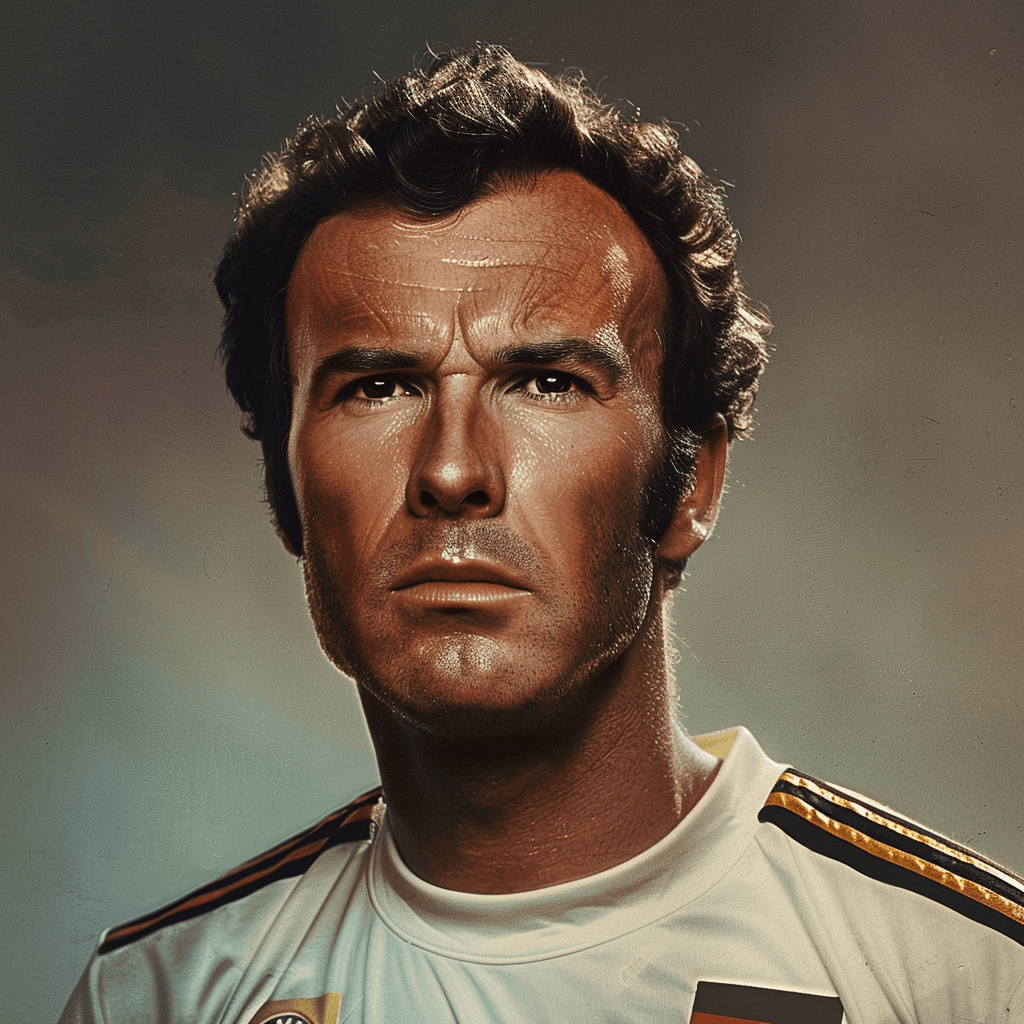
1986 World Cup Victory
Captained Argentina to the title in Mexico, dominating the tournament's decisive matches.
Discover
Explore influential historical figures from science, philosophy, leadership, art, and culture.
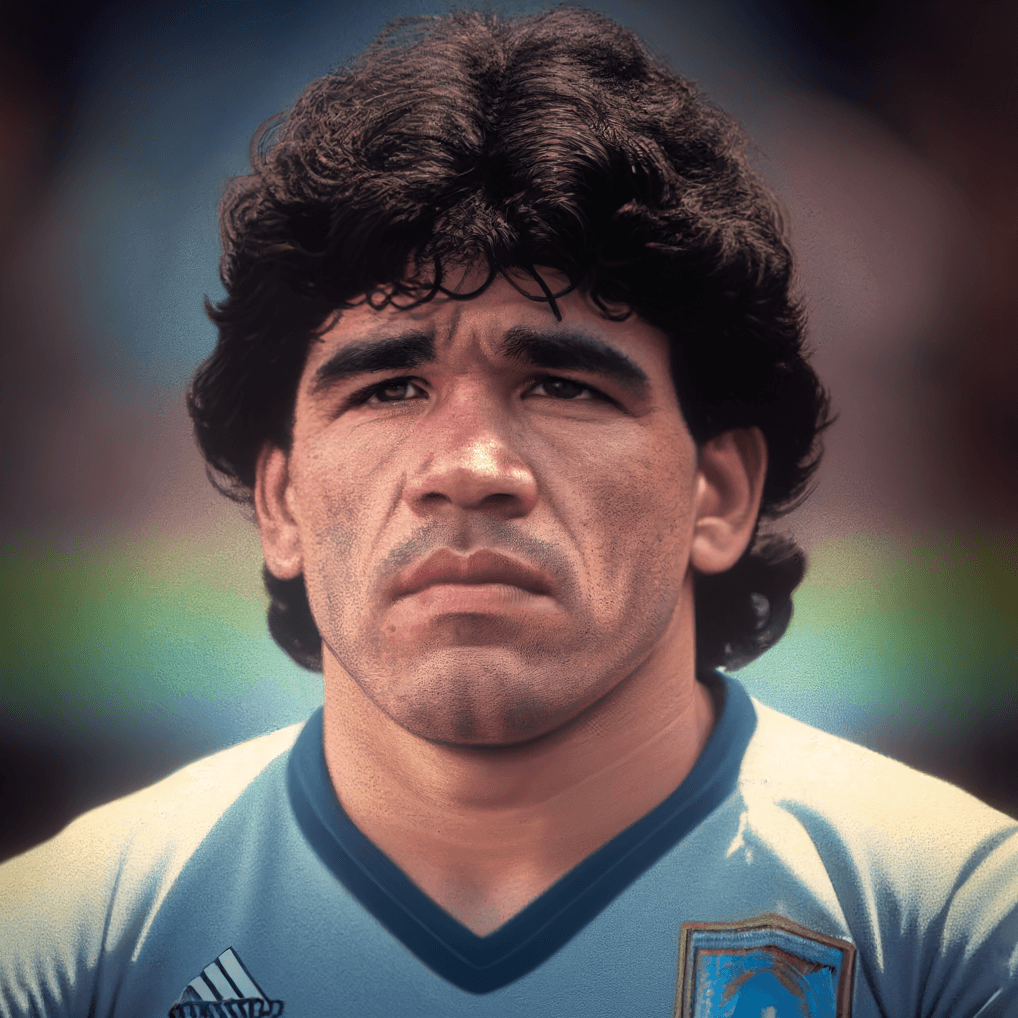
1960–2020
Football Legend • World Cup Champion
This is a read-only educational profile. Chat, Council Mode, and AI features are not available for historical figures.
Diego Armando Maradona was born in 1960 in Villa Fiorito, a shantytown on the outskirts of Buenos Aires, the fifth of eight children in a poor household. He joined Argentinos Juniors at fifteen and exploded into professional football with a low center of gravity, explosive acceleration, and left foot that seemed to operate independently of defenders' logic. By twenty he had moved to Boca Juniors and then to Barcelona, though illness and brutal marking in Spain sent him searching for a club that built its identity around him.
Napoli answered. From 1984 to 1991 Maradona transformed a provincial southern Italian side into Serie A champions, carrying a city that felt marginalized by the richer north. His pinnacle arrived at the 1986 World Cup in Mexico: the controversial 'Hand of God' goal against England followed minutes later by a solo run voted the greatest World Cup goal ever, then the final defeat of West Germany. Argentina worshipped him; murals in Naples still treat him as patron saint.
Genius on the pitch collided with cocaine addiction, weight battles, and tangled dealings with clubs, media, and politics. After coaching stints and health crises, Maradona died in November 2020 in Tigre, prompting national mourning and a funeral that resembled a state ceremony. FIFA and fans alike rank him among the two or three greatest players in history.
Key moments across this figure's life and legacy
1976
Made his first-team appearance for Argentinos Juniors at age fifteen.
1984
Joined SSC Napoli for a world-record fee and became the city's sporting idol.
1986
Lifted the trophy in Mexico after masterful performances throughout the tournament.
1991
Left Italy amid scandal and failed drug tests, ending his greatest club chapter.
2020
Died of heart failure at sixty; Argentina declared three days of national mourning.
Landmarks that define this figure's contribution to history
Captained Argentina to the title in Mexico, dominating the tournament's decisive matches.
Led the club to two Serie A titles and a UEFA Cup, elevating a regional team to European elite.
Scored a solo goal against England in 1986 widely regarded as football's finest individual effort.
Drove Argentina to two consecutive finals as the team's undisputed creative force.
How this figure shaped the world we inherit
Maradona proved that one player's artistry could rewrite a club's and a nation's self-image. In Argentina he symbolized defiance toward powerful rivals; in Naples he embodied southern pride against northern wealth. His brilliance and fallibility made him a template for every debate about genius, celebrity, addiction, and the emotional economics of global sport.
Explore more profiles from the same era or field
Curated educational resources for further study
Discover historical art and educational content on our media channels