Plan de Ayala
Issued a revolutionary program demanding land restitution and expropriation of hacienda estates.
Discover
Explore influential historical figures from science, philosophy, leadership, art, and culture.
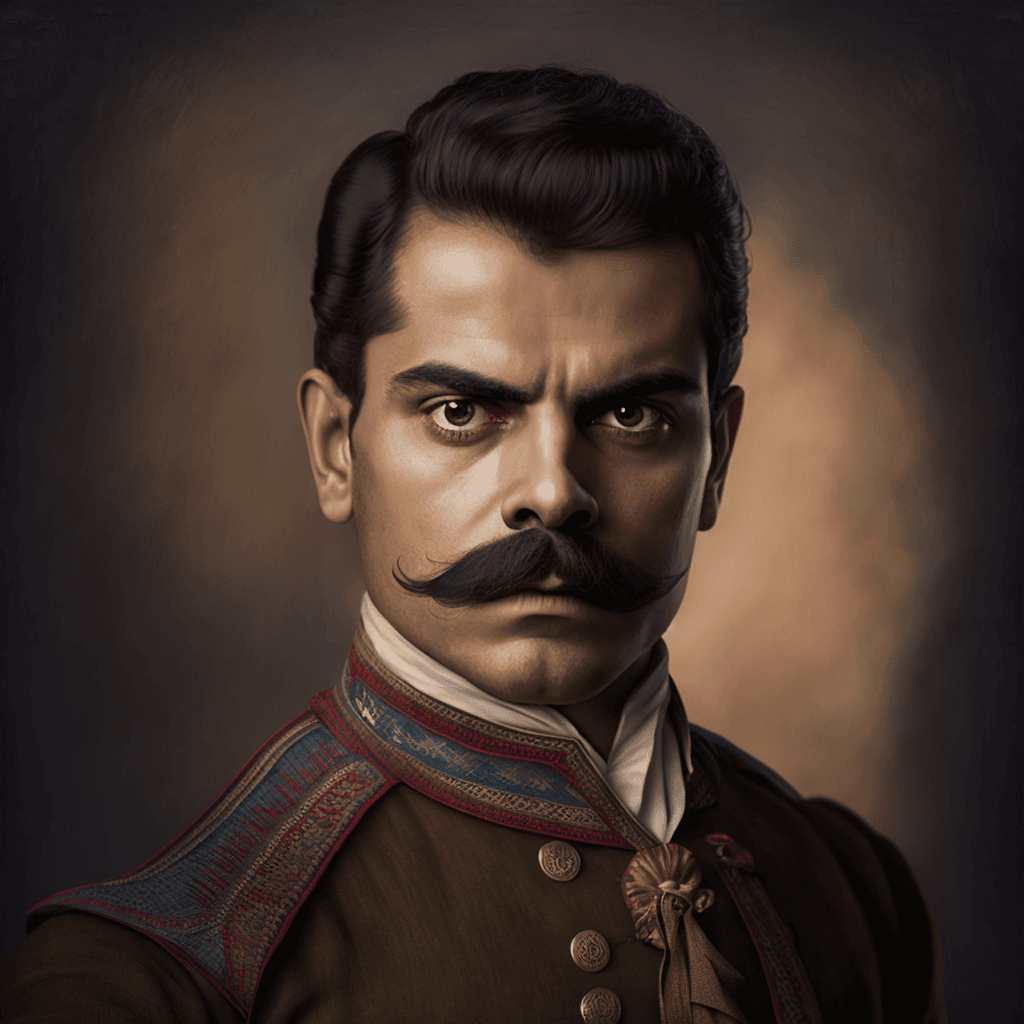
1879–1919
Revolutionary • Agrarian Reformer • Mexican Hero
This is a read-only educational profile. Chat, Council Mode, and AI features are not available for historical figures.
Emiliano Zapata was born on 8 August 1879 in Anenecuilco, Morelos, a sugar-producing region south of Mexico City where peasant communities faced encroachment from haciendas and corrupt local bosses. His family belonged to the village elite of mestizo farmers, and Zapata became a skilled horseman and community leader who petitioned governors for land restitution under the liberal land law of 1856. When legal appeals failed and Francisco Madero’s 1910 call to arms against dictator Porfirio Díaz reached Morelos, Zapata joined the rebellion not to seize national power but to enforce the Plan de Ayala’s demand: land taken by haciendas must return to those who work it. His moral clarity and local roots distinguished him from urban revolutionaries who often treated the countryside as a bargaining chip.
After Díaz fell in 1911, Zapata broke with Madero, accusing him of preserving latifundia while offering cosmetic reform. The Plan de Ayala, issued in November 1911, called for expropriation of disputed estates and redistribution to villages, articulating one of Latin America's most radical agrarian programs. Zapata's Liberation Army of the South controlled much of Morelos, Puebla, and Guerrero, burning land records, expelling hacienda managers, and implementing village autonomy where possible. Photographs of him in charro dress with a broad mustache and rifle turned him into a popular icon even among Mexicans who never joined his ranks. Alliances with Pancho Villa in the north were tactical rather than ideological, united mainly by opposition to Venustiano Carranza's centralizing liberalism.
In 1919 Jesús Guajardo, acting on Carranza's orders, lured Zapata to Chinameca with a false offer of defection and ambushed him on 10 April. His death was intended to destroy southern rebellion, yet it martyred him in folklore, murals, and later social movements. The Mexican Revolution's eventual agrarian articles owed debts to Zapata's demands, however incompletely enforced. When farmers and students marched with "Zapata vive" banners generations later, they invoked a leader who never became president but changed what justice meant in Mexican political language.
Key moments across this figure's life and legacy
1879
Raised in Morelos among farming communities threatened by expanding sugar haciendas.
1910
Took up arms after Madero's call to overthrow Porfirio Díaz.
1911
Broke with Madero and published his agrarian revolutionary program.
1914
Cooperated with northern forces against Carranza during revolutionary warfare.
1919
Killed in an ambush arranged by Carranza's government on 10 April.
Landmarks that define this figure's contribution to history
Issued a revolutionary program demanding land restitution and expropriation of hacienda estates.
Led guerrilla and conventional forces that controlled key southern states during the revolution.
Returned communal lands in Morelos by destroying records and expelling hacienda authorities.
Embodied "Tierra y Libertad," a slogan that outlived his death in Mexican political culture.
How this figure shaped the world we inherit
Zapata placed land redistribution at the center of Mexico's revolutionary agenda, influencing constitutional reforms, peasant leagues, and twentieth-century agrarian policy. As martyr and myth, he continues to represent indigenous and campesino struggles for territorial rights across Latin America.
Explore more profiles from the same era or field
Curated educational resources for further study
Discover historical art and educational content on our media channels